Faris Adani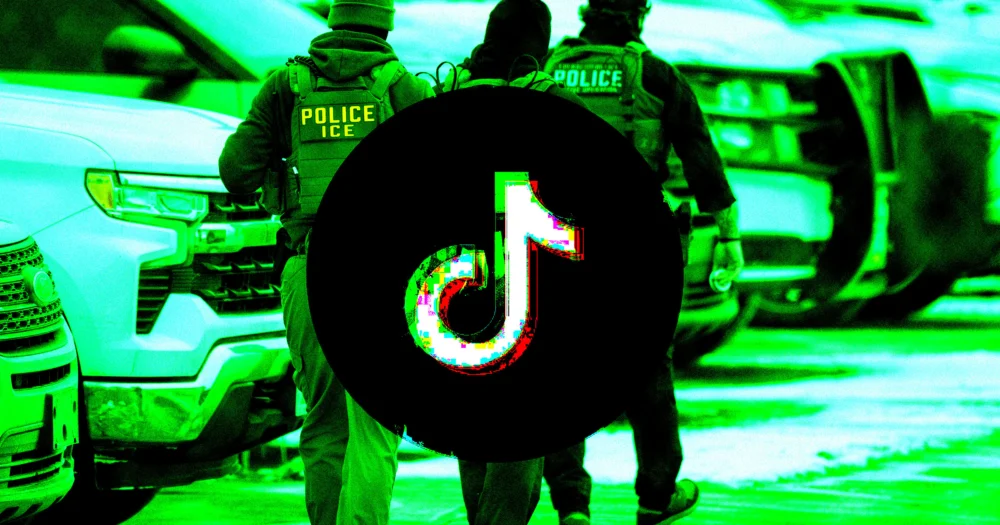
This escalating controversy follows a period of intense scrutiny for TikTok, which culminated last month in a significant agreement with investors, including Oracle, designed to satisfy a bipartisan legislative push. This bill had threatened a complete ban of the app in the United States unless its Chinese parent company, ByteDance, divested its ownership. The deal, intended to assuage fears of Chinese state-sponsored surveillance, has ironically led to a new wave of apprehension regarding domestic data exploitation, with critics arguing that the "Americanized" TikTok could inadvertently become a backdoor for U.S. government surveillance, particularly by Immigration and Customs Enforcement (ICE).
Immediately after the deal’s finalization, TikTok’s U.S.-based user community experienced a flurry of activity and concern, with many alleging instances of censorship. Reports surfaced of footage depicting ICE agents being removed and searches for terms like "Epstein" being restricted. While TikTok vociferously denied these accusations, attributing them to a "data center power outage," the timing coincided with a critical change in its privacy policy. This updated policy now grants the platform expanded capabilities to collect more granular and detailed information about its users, most notably their precise geographical locations. This policy shift, occurring amidst a backdrop of alleged content manipulation, only served to heighten user distrust and amplify existing anxieties about how their data might be utilized.
The core of the renewed fear, as articulately posited by The New Republic, lies in the potentially unregulated market for user data. The argument is that TikTok’s enhanced data collection, particularly precise location information, could be funneled to private data brokers. These brokers, operating largely outside direct governmental oversight, could then sell this aggregated data to agencies like ICE. This mechanism would allow ICE agents to circumvent the more arduous and legally mandated process of obtaining court-ordered data requests, effectively purchasing sensitive user information directly from these third-party intermediaries. The profound irony of this scenario is not lost on observers: a deal ostensibly designed to protect Americans from foreign government surveillance might inadvertently be paving the way for domestic government agencies to access highly personal data without traditional legal safeguards.
Central to this concern is the "Mobile Advertising ID" (MAID) associated with each user’s device. This unique identifier can broadcast exact GPS coordinates to various data brokerages, creating a detailed digital breadcrumb trail of an individual’s movements. This information, once in the hands of data brokers, becomes a commodity, potentially available to any entity willing to pay, including components of the Department of Homeland Security, under which ICE operates. The implications are far-reaching and deeply unsettling. The New Republic further suggested that ICE could leverage this data to construct sophisticated "probabilistic ‘confidence scores’" for individuals, essentially profiling them based on their digital footprint. This predictive analysis could then inform enforcement actions, potentially leading to the mischaracterization of legitimate activities. Alarmingly, the article highlighted the risk that peaceful protesters and legal observers could be unjustly labeled as "domestic terrorists," a designation that carries severe consequences and chills the exercise of fundamental rights.
The fear of such data exploitation is not without precedent or foundation. Oracle cofounder Larry Ellison, a figure known for his exceptionally close ties to former President Donald Trump, has previously articulated a vision of society shaped by pervasive surveillance. Ellison has made public remarks about artificial intelligence ushering in an era where "citizens are on their best behavior" due to the constant presence of mass surveillance. Such statements from a key partner in TikTok’s new operational structure fuel concerns that the technological infrastructure he helps oversee could facilitate a surveillance state, blurring the lines between national security, corporate interests, and individual privacy.
Moreover, ICE’s existing operational methods demonstrate a clear appetite for data-driven enforcement. Reports from 404 Media last month revealed that the controversial agency is already utilizing an application called ELITE, developed by the intelligence contractor Palantir. This app provides agents with crucial intelligence ahead of neighborhood raids, informing their tactical decisions. The integration of TikTok’s precise location data, coupled with existing tools like ELITE, creates a potent and concerning combination. As Logan McMillen of The New Republic succinctly put it, one can "easily imagine a scenario where TikTok provides the last missing piece of data – user location and citizenship status – that ICE needs to green-light one of its raids." This paints a vivid picture of how seemingly innocuous social media usage could contribute to life-altering enforcement actions.
When directly confronted with these serious allegations, TikTok’s response was conspicuous in its absence of clarity. The company pointedly declined to offer any comment, choosing neither to confirm nor deny that U.S. immigration authorities were accessing data about its users. This deliberate evasion, especially given the gravity of the accusations, does little to assuage public anxiety. Similarly, ICE itself did not respond to requests for comment by press time, maintaining a silence that further deepens the veil of opacity surrounding these data practices. The lack of transparency from both the tech platform and the government agency involved leaves users in a precarious position, uncertain about the extent to which their personal information is being shared and utilized without their explicit consent or knowledge.
For many netizens, this series of revelations and non-responses has been the final straw. The prevailing sentiment, as encapsulated by one Reddit user who wrote, "Yeah, everyone just go ahead and delete TikTok now if you haven’t already," reflects a growing disillusionment with tech companies and their handling of user privacy. This widespread call for platform abandonment underscores a profound erosion of trust in digital services, particularly when they become entangled with government surveillance apparatuses. The broader implications extend beyond TikTok itself, raising critical questions about the nature of digital privacy in an age where personal data is a valuable commodity, easily bought and sold. The trade-offs between convenience, connectivity, and fundamental rights are becoming increasingly stark, forcing individuals to weigh the benefits of social media against the potential for surveillance and control. The specter of data being used to identify and target individuals for enforcement actions, especially those involving immigration or dissent, could have a chilling effect on free speech and assembly, transforming public digital spaces into potential zones of risk. As the digital landscape continues to evolve, the demand for clear ethical guidelines, robust regulatory frameworks, and unwavering transparency from both corporations and government entities will only grow more urgent, seeking to protect individual liberties in an increasingly data-driven world.