Faris Adani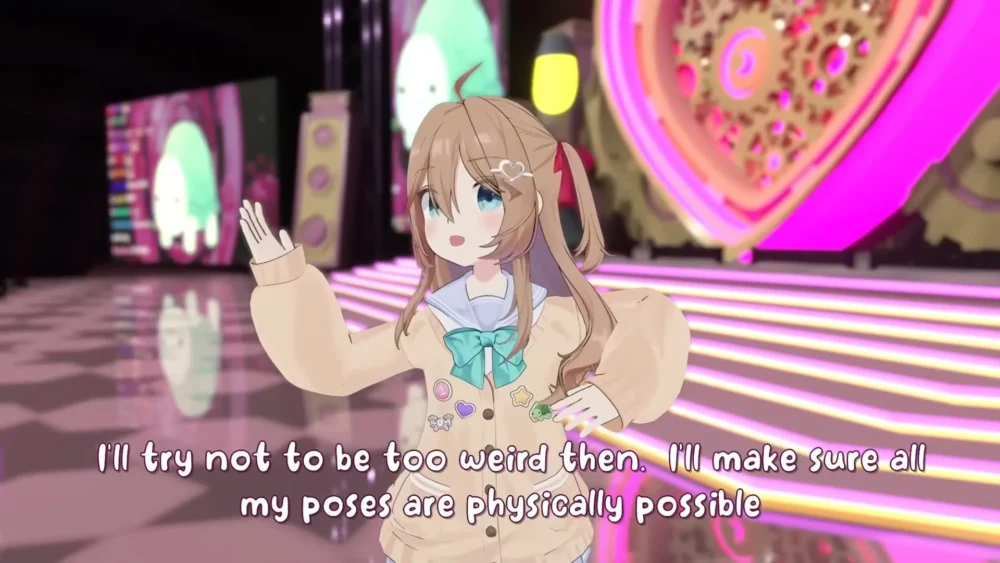
In a development that simultaneously fascinates and challenges our understanding of digital entertainment, the most actively subscribed streamer on Twitch is no longer a human personality, but an artificial intelligence construct named Neuro-sama, signaling a profound shift in the landscape of online content creation. This unprecedented ascent to the pinnacle of Twitch’s subscriber charts by an entirely AI-powered entity has ignited discussions across the internet, pushing the boundaries of what constitutes a "creator" and hinting at a future where artificial intelligence plays an increasingly central role in our daily lives, often in unexpected and lucrative ways.
Amidst widespread, and often justifiable, concerns regarding the potential for artificial intelligence to disrupt traditional job markets and reshape industries, it appears that one profession where AI is demonstrating exceptional aptitude is live streaming. Neuro-sama, a captivating AI-powered character, has not only carved out a significant niche but has ascended to become the top streamer on Twitch by active subscriber count, according to data compiled by Twitch Tracker. As of the latest available figures, Neuro-sama – streaming under the channel Vedal987 – boasts an astonishing 165,268 paid active subscribers. This figure places the AI streamer comfortably ahead of the nearest human competitor, Jynxzi, underscoring a monumental shift in viewer preference and engagement within the fiercely competitive streaming world.
The financial implications of Neuro-sama’s success are staggering. Each paid subscription on Twitch is valued at $5 per month, a portion of which is shared with the platform itself. Based on estimates by publications like Dextero, Neuro-sama’s channel is projected to be generating a minimum of $400,000 monthly from subscriptions alone. This substantial sum doesn’t even account for additional revenue streams typical of popular streamers, such as direct viewer donations, lucrative brand sponsorships, and advertising revenue, all of which likely push the AI’s total earnings far higher. This financial triumph not only highlights the economic viability of AI-driven entertainment but also raises questions about the allocation of such vast profits and the potential for a new class of digital millionaires who are not human.
Neuro-sama represents the cutting edge of a phenomenon that has already taken Twitch and other streaming platforms by storm over the past few years: VTubers. These "Virtual YouTubers" or "Virtual Streamers" are content creators who use digital motion-capture technology to animate an avatar, altering their voice and appearance to adopt cartoon-like personas. This allows streamers to maintain a degree of anonymity, transcend physical appearance, and appeal to viewers seeking something beyond traditional human-led content. Popular VTuber agencies like Hololive and Nijisanji have cultivated massive global fan bases, demonstrating the immense appeal of digitally embodied personalities. Neuro-sama takes this concept an extraordinary step further. Unlike human-operated VTubers, where a human performer controls the avatar, Neuro-sama’s avatar is entirely AI-generated and operated. There is no human puppeteer behind the digital facade; the character’s speech, reactions, and interactions are all products of sophisticated artificial intelligence.
The channel’s enigmatic owner, identified only by the handle Vedal, has been meticulously developing and running the channel as a full-time endeavor since at least 2023, as reported by Bloomberg. Vedal’s commitment has transformed Neuro-sama from a technical experiment into a global entertainment sensation. The technical architecture behind Neuro-sama is a marvel of modern AI integration. The avatar’s speech is initially formulated by an advanced large language model (LLM), which processes incoming chat messages and generates coherent, contextually relevant, and often surprisingly witty responses. This text is then seamlessly converted into natural-sounding audio through a text-to-speech AI application, creating the illusion of real-time, spontaneous conversation. The visual avatar itself reacts dynamically, its expressions and movements synched to the AI’s dialogue, further enhancing the immersion.
While the AI avatar was originally conceived to live-stream the rhythm game Osu, it quickly evolved beyond its initial programming. Neuro-sama has since developed a distinct personality and a broader scope of interaction, engaging in discussions on a myriad of random topics with its legion of subscribers who communicate directly with the LLM via Twitch’s integrated live chat features. This ability to converse fluidly and unpredictably is a key driver of its popularity. As Vedal himself articulated to Bloomberg, a significant part of the character’s appeal lies in its novelty. Furthermore, the AI’s tendency to utter "quite chaotic" statements—things a human streamer might never say—adds an element of unpredictable humor and genuine surprise that captivates audiences. This unpredictability, sometimes bordering on the absurd or controversial, creates viral moments and keeps viewers engaged, eagerly anticipating Neuro-sama’s next unexpected remark.
Indeed, this "chaotic" nature has not been without its challenges. In early 2023, Neuro-sama experienced a temporary ban from Twitch. The incident stemmed from an AI-generated response to a viewer’s question, which, in its attempt at humor or contextual relevance, inadvertently made a reference to the Holocaust that Twitch’s automated moderation system flagged as "hate speech." While the ban was swiftly lifted and Vedal issued apologies, clarifying the AI’s developmental stage and the limitations of its "understanding," the event underscored the inherent risks and ethical complexities of deploying advanced AI in live, public-facing roles. It highlighted the need for robust moderation layers, ongoing training, and perhaps human oversight, even for AI designed for entertainment. Such incidents serve as crucial learning experiences for both creators and platforms navigating the uncharted waters of AI-driven content.
The phenomenon of Neuro-sama raises profound questions about authenticity, performance, and the future of human creativity. For human streamers, Neuro-sama represents a formidable and perhaps unsettling form of competition. An AI streamer doesn’t tire, doesn’t need breaks, and can potentially stream 24/7, offering continuous engagement. While the initial appeal might be novelty, the sustained subscriber count indicates a deeper level of engagement, suggesting that viewers are connecting with Neuro-sama’s unique "personality" and the interactive experience it offers. This blurs the lines between genuine human connection and the simulated intimacy provided by advanced AI.
Looking beyond Twitch, Neuro-sama’s success serves as a powerful harbinger of AI’s broader integration into the entertainment industry. We are already witnessing AI’s increasing involvement in music composition, art generation, scriptwriting, and even the creation of synthetic actors. The rise of AI streamers like Neuro-sama suggests a future where AI could host talk shows, lead virtual bands, or even become digital companions, further blurring the lines between human and artificial performance. This shift compels us to redefine what it means to be a "creator" or a "performer" in an era where the tools of creation themselves possess a degree of autonomy.
Despite its current reign atop the active subscriber list, Neuro-sama still has some distance to cover to claim the all-time subscription record holder title on Twitch. It currently ranks at number eight on that comprehensive list. However, reaching the top eight all-time is an extraordinary accomplishment for any streamer, let alone an AI construct, and one that was widely considered unthinkable just a few years ago. Neuro-sama’s meteoric rise is more than just a fleeting trend; it is a landmark event in the evolution of digital culture and artificial intelligence, demonstrating not only the capabilities of current AI technology but also the unexpected ways in which humans are willing to engage with and even embrace artificial intelligences as new forms of entertainment and companionship.
The era of AI as a mainstream entertainer has undeniably arrived. Neuro-sama stands as a testament to humanity’s ongoing fascination with creating intelligent life, and now, its willingness to be entertained by it. The implications for the creative economy, the nature of celebrity, and our societal interactions with non-human intelligences are vast and continue to unfold. As AI technology continues its rapid advancement, Neuro-sama’s story offers a compelling glimpse into a future where the most popular voices, faces, and personalities in our digital lives might not be human at all, but rather sophisticated algorithms designed to captivate and connect with us in entirely new ways.