Pradipta eManuel
A clandestine digital threat, the Kimwolf botnet, has emerged as a significant danger, infecting over 2 million devices globally and actively exploiting vulnerabilities within residential networks. This sophisticated malware is not merely a nuisance; it actively facilitates malicious activities such as ad fraud, account takeovers, extensive content scraping, and devastating Distributed Denial-of-Service (DDoS) attacks capable of rendering websites inaccessible for extended periods. The true menace of Kimwolf lies in its insidious propagation method: it leverages "residential proxy" networks to tunnel back into the assumed security of users’ internal networks, compromising devices that are typically shielded by firewalls and routers. These residential proxy services, often marketed as tools for anonymizing and localizing web traffic, allow users to route their online activity through a vast network of compromised devices worldwide.

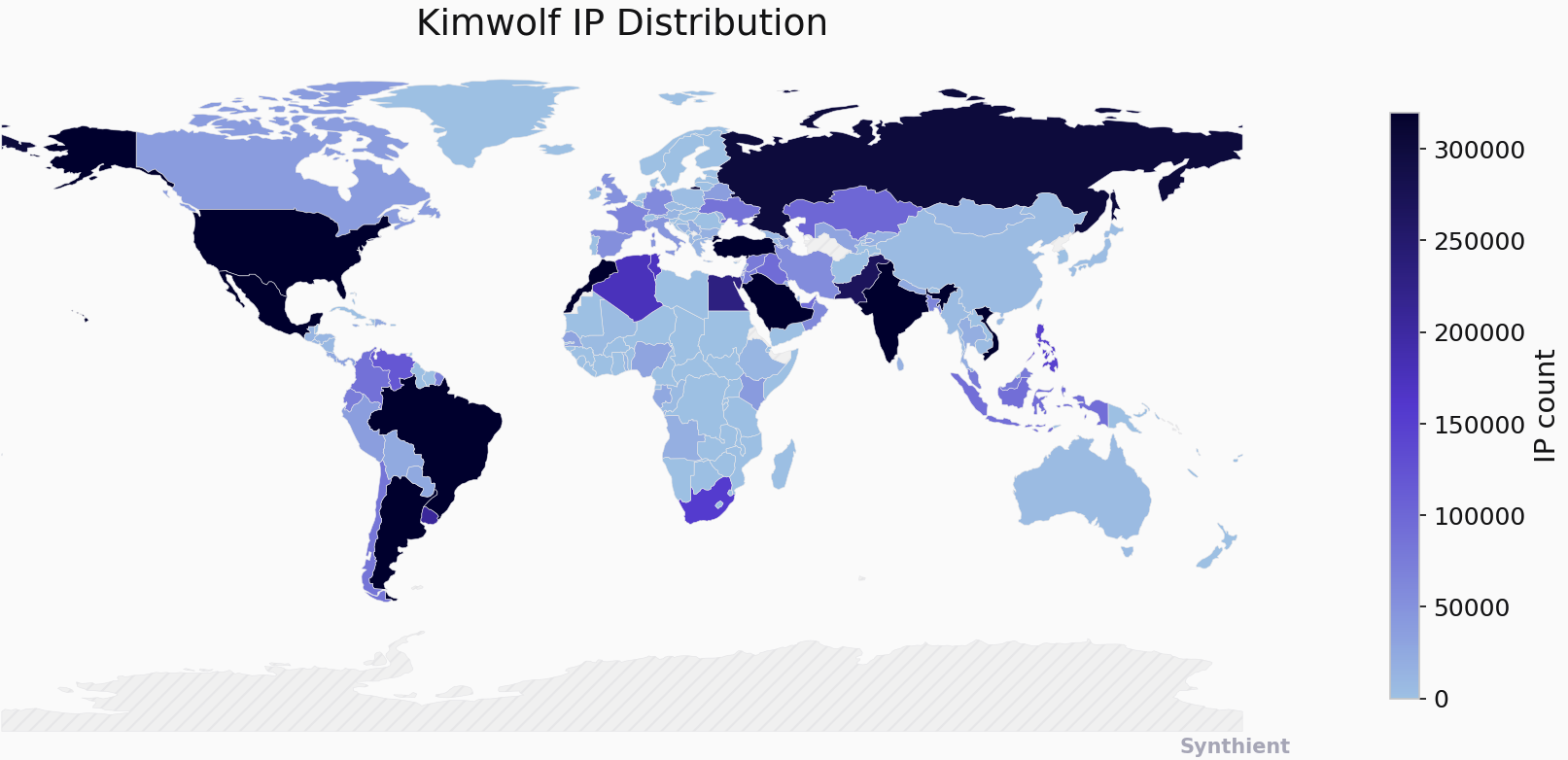
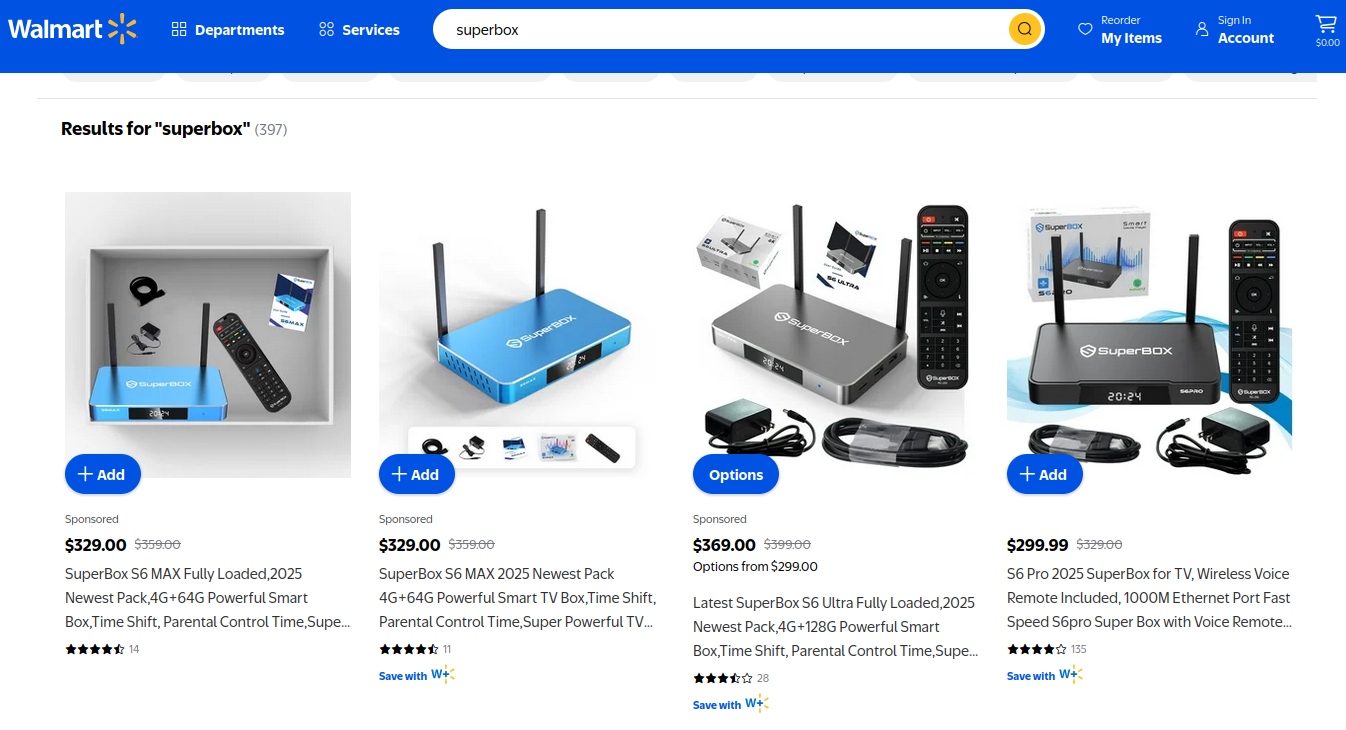
The primary vectors for Kimwolf’s infiltration are often found bundled with untrustworthy mobile applications and games, and more alarmingly, within unofficial Android TV boxes. These devices, readily available on major e-commerce platforms like Amazon, Best Buy, and Walmart, are frequently advertised as a means to access subscription video content for free, ranging in price from $40 to $400. They are sold under a plethora of obscure brands and model numbers, with two-thirds of Kimwolf infections attributed to these Android TV boxes, which notably lack any built-in security or authentication. The security firm Synthient reports a significant concentration of Kimwolf infections in regions including Vietnam, Brazil, India, Saudi Arabia, Russia, and the United States. Beyond TV boxes, Kimwolf also demonstrates a disturbing proficiency in infecting Internet-connected digital photo frames. A report by Quokka in November 2025 highlighted severe security flaws in Android-based digital picture frames running the "Uhale" app, affecting even Amazon’s top-selling digital frame as of March 2025.
These digital photo frames and unofficial Android TV boxes present a dual security nightmare. Firstly, many come pre-loaded with malware or necessitate the download of unofficial apps, often leading to the installation of malicious residential proxy software. Secondly, and perhaps more critically, these devices rely on rudimentary, internet-connected microcomputer boards that lack any form of security or authentication. This means that any device on the same network can potentially be compromised with a single command, turning the local network into a gateway for broader attacks.
The alarming synergy of these vulnerabilities was brought to light in October 2025 by Benjamin Brundage, a 22-year-old computer science student and founder of the security firm Synthient. While studying for final exams, Brundage identified Kimwolf as a potential Android-based variant of the Aisuru botnet, which had been previously, and perhaps incorrectly, implicated in widespread DDoS attacks. Brundage’s research revealed Kimwolf’s rapid expansion was fueled by a critical flaw in numerous large residential proxy services. The core issue was their failure to adequately prevent customers from forwarding requests into the internal networks of proxy endpoints. While most proxy services employ basic measures to block access to RFC-1918 private IP address ranges (such as 10.0.0.0/8, 192.168.0.0/16, and 172.16.0.0/12), which are fundamental to home and office networks, the Kimwolf operators discovered a way to bypass these restrictions. By manipulating Domain Name System (DNS) settings to match these RFC-1918 ranges, they could directly communicate with devices on internal networks. Brundage documented this exploit in a security advisory, stating, "It is possible to circumvent existing domain restrictions by using DNS records that point to 192.168.0.1 or 0.0.0.0. This grants an attacker the ability to send carefully crafted requests to the current device or a device on the local network. This is actively being exploited, with attackers leveraging this functionality to drop malware."
Compounding this vulnerability, many residential proxy services operate on mobile devices running apps that covertly turn the user’s phone into a proxy node, often without explicit consent. Synthient’s research indicates that Kimwolf actors are monetizing their botnet through app installations, the sale of residential proxy bandwidth, and the provision of DDoS capabilities. The firm anticipates a growing trend among threat actors seeking unfettered access to proxy networks for device infection, network intrusion, and sensitive data acquisition, underscoring Kimwolf’s role in highlighting the risks and viability of unsecured proxy networks as an attack vector.

Further investigation by Brundage into unofficial Android TV boxes revealed another critical vulnerability: the widespread default activation of Android Debug Bridge (ADB) mode. ADB, a diagnostic tool intended solely for manufacturing and testing, allows for remote device configuration and firmware updates. When enabled by default on consumer devices, it creates a severe security risk by enabling unauthenticated connection requests. Brundage demonstrated that simply connecting to a vulnerable device’s local IP address followed by ":5555" could grant unrestricted "super user" administrative access.
By early December 2025, Brundage identified a direct correlation between new Kimwolf infections and proxy IP addresses offered for rent by IPIDEA, identified as the world’s largest residential proxy network. He observed Kimwolf’s size nearly doubling in a week solely by exploiting IPIDEA’s proxy pool. Synthient confirmed on December 1, 2025, that Kimwolf operators were actively tunneling through IPIDEA’s network to infiltrate local networks running IPIDEA’s proxy software. The malware was delivered by directing infected systems to a specific URL and using the passphrase "krebsfiveheadindustries" to unlock the malicious download. By December 30, Synthient was tracking approximately 2 million IPIDEA addresses exploited by Kimwolf in the preceding week, noting the botnet’s ability to rapidly rebuild itself after takedown attempts by tunneling through IPIDEA’s proxies for mere days. IPIDEA advertises access to over 100 million residential proxy endpoints globally, with Synthient’s analysis revealing that over two-thirds of these exposed devices were Android-based and required no authentication for compromise.
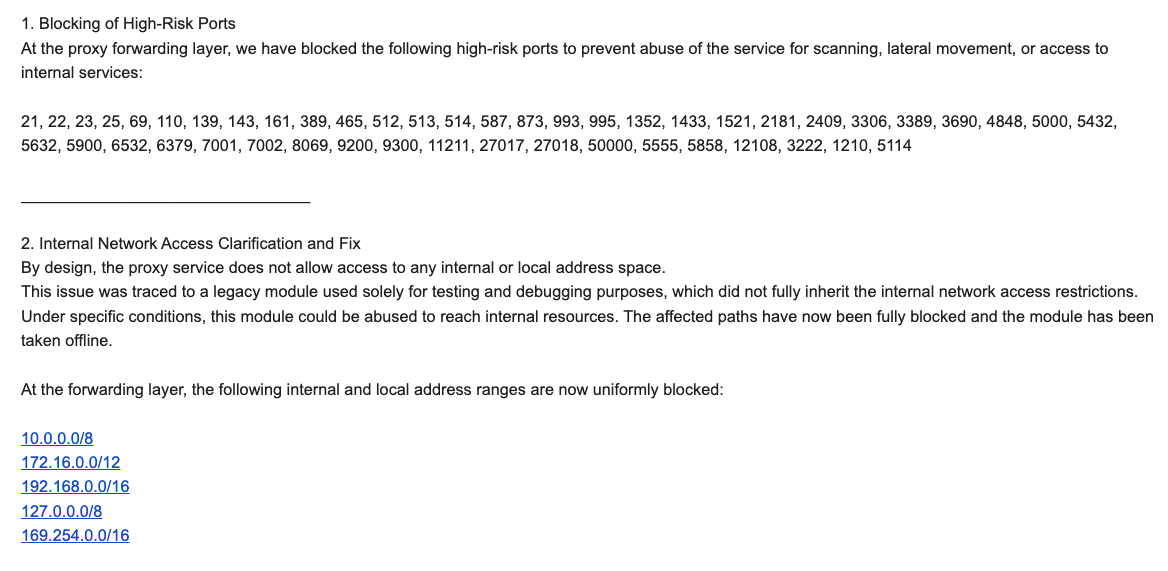
Brundage, eager to disclose his findings, recognized the need to provide vulnerable proxy providers with an opportunity to address the issues before a public announcement. On December 17, he sent security notifications to 11 affected proxy providers, many of whom were resellers of IPIDEA’s services. KrebsOnSecurity had previously contacted IPIDEA in October 2025 regarding its apparent benefit from the Aisuru botnet’s shift towards installing proxy programs. An IPIDEA employee, "Oliver," denied any association with the Aisuru botnet, citing verification of IP traceability records and supplier agreements. However, on the same day Oliver’s email was received, Brundage shared a response from IPIDEA’s security officer, "Byron." Byron acknowledged that a legacy testing and debugging module had inadvertently allowed access to internal resources and confirmed that affected paths had been blocked and the module taken offline. IPIDEA also implemented mitigations to block DNS resolution to internal IP ranges and prevent forwarding traffic on high-risk ports. Brundage confirmed that IPIDEA appeared to have successfully patched the vulnerabilities, and he had not observed Kimwolf actors targeting other proxy services.
Riley Kilmer, founder of Spur.us, a firm specializing in proxy traffic detection, validated Brundage’s findings, confirming that IPIDEA and its affiliates allowed unfiltered access to local LANs. Kilmer specifically highlighted the Superbox, an unofficial Android TV box, which leaves Android Debug Mode running on localhost:5555. Given that Superbox utilizes IPIDEA proxies, malicious actors can exploit this to install unwanted software development kits (SDKs).
Both Brundage and Kilmer suggest that IPIDEA is a successor to the notorious 911S5 Proxy service, which operated from 2014 to 2022 and was popular on cybercrime forums before its implosion following a data breach report by KrebsOnSecurity. The University of Sherbrooke had previously warned about 911S5’s potential to compromise internal corporate networks. In 2022, 911S5 claimed a hack destroyed its records shortly after KrebsOnSecurity’s exposé. Subsequently, the U.S. Department of the Treasury sanctioned the alleged creators of 911S5, and the U.S. Department of Justice arrested a key figure. Kilmer also noted IPIDEA operates a sister service, 911 Proxy, which is marketed as an alternative to 911S5 Proxy, suggesting a continuation of its business model. Oxylabs, another proxy provider notified by Synthient, confirmed implementing security modifications to address the vulnerabilities but stated there was no evidence of Kimwolf exploiting its network.
The practical implications of the Kimwolf botnet are far-reaching. A scenario illustrates how simply sharing Wi-Fi access with a guest whose phone is infected with proxy malware can lead to Kimwolf infections within a user’s home network. The infected device can expose the home’s public IP address to proxy providers, allowing attackers to tunnel back into the local network and scan for vulnerable devices, such as Android TV boxes or digital photo frames, with ADB enabled. This can result in these devices becoming infected with Kimwolf, even if they were never intended to be exposed to the wider internet. Another alarming possibility involves attackers modifying a router’s settings to direct traffic through malicious DNS servers, effectively controlling where users’ web browsers navigate. This echoes the historical threat posed by the DNSChanger malware of 2012.

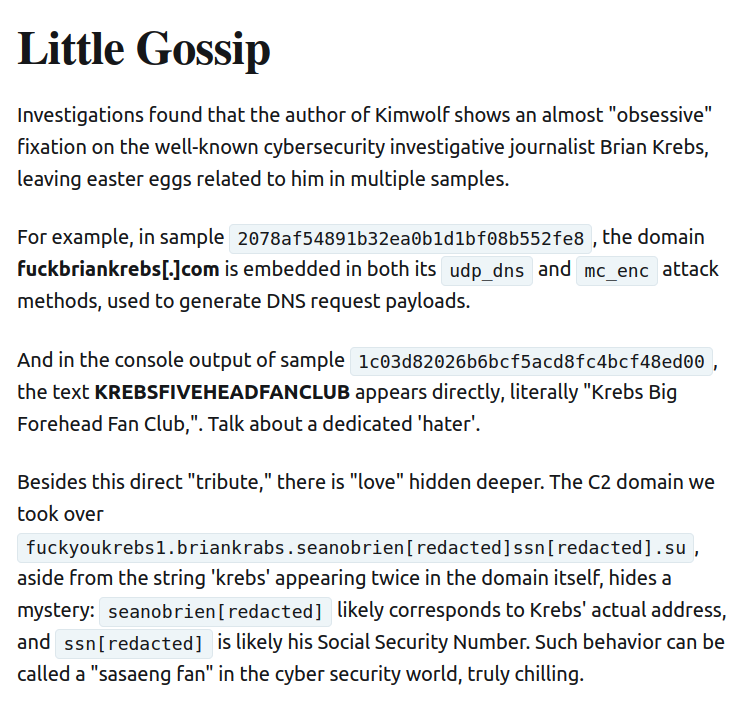
The Chinese security firm XLab has been instrumental in documenting Kimwolf’s emergence, having previously chronicled the Aisuru botnet. XLab first tracked Kimwolf on October 24, 2025, observing its control servers overwhelming DNS servers with lookups for specific domains. These domains repeatedly topped Cloudflare’s list of most sought-after domains, surpassing even Google and Apple, due to Kimwolf’s frequent check-ins. XLab’s analysis suggests a misattribution of some early Kimwolf activities to the Aisuru botnet, with Kimwolf appearing to be operated by a distinct group. While IPIDEA denied affiliation with Aisuru, Brundage’s data undeniably showed its proxy service being heavily exploited by Kimwolf. XLab estimates Kimwolf has infected between 1.8 and 2 million devices, with a strong presence in Brazil, India, the United States, and Argentina, and has demonstrated a remarkable ability to self-replicate. The firm notes that the true scale of infected devices is difficult to ascertain due to dynamic IP allocation and varying device online times across global time zones. XLab also pointed out an apparent "obsessive" fixation of the Kimwolf author on KrebsOnSecurity, with "easter eggs" related to the author’s name embedded in the botnet’s code and communications.
A significant challenge posed by threats like Kimwolf is the difficulty for average users to detect or determine if their internal network devices are vulnerable or already infected. While identifying a specific device responsible for residential proxy activity might be possible, isolating and removing the malicious app or component is often beyond a consumer’s technical capabilities. Synthient offers a website where users can check if their public IP address has been associated with Kimwolf-infected systems. Additionally, Synthient has compiled a list of unofficial Android TV boxes most prevalent in the Kimwolf botnet. Owners of these devices are strongly advised to remove them from their networks, and to educate friends and family about the risks.
Chad Seaman of Akamai Technologies urges consumers to be highly suspicious of unofficial Android TV boxes and residential proxy schemes, emphasizing that the notion of a secure local area network (LAN) is outdated. He stresses that apps can compromise networks, and the threat extends beyond Android to Mac, Windows, and iOS devices. Google’s lawsuit against "BadBox 2.0 Enterprise" in July 2025, involving over ten million unsanctioned Android streaming devices engaged in advertising fraud, and an FBI advisory in June 2025 warning of cybercriminals gaining unauthorized access to home networks through pre-configured malware or malicious app downloads, further underscore these risks. Lindsay Kaye of HUMAN Security, involved in the BADBOX investigations, noted that these botnets and proxy networks were detected due to their enablement of extensive advertising fraud, ticket scalping, retail fraud, account takeovers, and content scraping. Kaye advises consumers to stick to reputable brands and be wary of offers that seem too good to be true, as well as to scrutinize app permissions. Utilizing a "Guest" Wi-Fi network when possible for visitors can segregate their devices from the local network, mitigating potential infection vectors. While a segment of the pro-piracy community dismisses these risks, arguing that devices can be re-flashed with clean firmware, the reality is that most buyers of these devices are not technically equipped to do so and are unaware of the security bargain they are making. The entertainment industry is urged to exert more pressure on e-commerce vendors to cease the distribution of such insecure and actively malicious hardware, which serves as a public nuisance and a lucrative target for cybercriminals.
Part II of this series will delve into clues left by those who have seemingly profited most from the Kimwolf botnet.