Faris Adani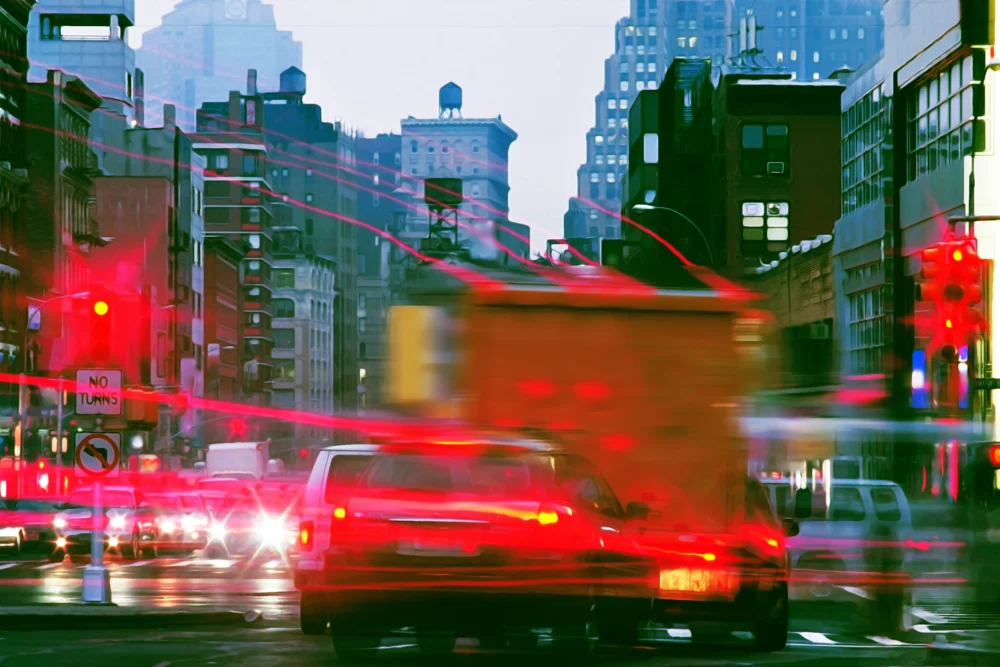
The Hard Numbers Show That the Results of NYC Congestion Pricing Have Been Absolutely Incredible. Surprise! A public policy initiative, once vehemently opposed by a chorus of drivers and pro-car pundits, has not only silenced its critics but has emerged as a resounding triumph, delivering substantial benefits that ripple far beyond the initial scope. New York City’s congestion pricing program, far from being the urban nightmare its detractors predicted, has demonstrably improved traffic flow, enhanced road safety, and significantly reduced pollution – proving a true godsend for Manhattan residents, transit riders, drivers, and those in the outer boroughs and even surrounding communities.
The core of this transformative policy lies in its simple yet effective mechanism: charging drivers a toll for using surface roads below Manhattan’s 60th Street, an area officially designated as the Congestion Relief Zone (CRZ). Enforced by a sophisticated network of over 1,400 license-plate cameras, the program levies a charge of up to $9 on vehicles entering this critical central business district. The concept itself wasn’t new globally, with cities like London, Stockholm, and Singapore having successfully implemented similar schemes for years, yet its introduction in the Big Apple was met with fierce resistance. Critics, including prominent figures like former President Donald Trump, launched scathing attacks during the run-up period, forecasting economic disaster, increased burdens on commuters, and a general decline in the city’s vibrancy. However, just one full year after the CRZ went into effect on January 5, 2025, the data, meticulously compiled and reported by outlets like *The New York Times*, paints an unequivocally positive picture of massive wins for the city and its inhabitants.
The most immediate and striking impact has been the dramatic reduction in vehicular traffic. *The New York Times* reports an impressive 11 percent decrease in daily vehicle traffic throughout Manhattan’s central business district. This isn’t just a statistical blip; in real, tangible terms, it translates to approximately 73,000 fewer vehicles entering the CRZ each day, culminating in a staggering 27 million fewer trips than anticipated in the program’s inaugural year alone. This significant drop has reshaped the urban landscape, making Manhattan’s streets less chaotic, less noisy, and more breathable. The visual clutter of endless car queues has receded, giving way to a more pedestrian-friendly environment that encourages walking and cycling. The initial fears that traffic would merely be displaced to other parts of the city or to the periphery have largely been unfounded, or at least mitigated by a broader shift in commuter behavior.
Consequently, those who continue to drive or rely on surface-level transit, such as the city’s extensive bus network, now experience significantly less congestion. Over the past year, average travel speeds within the congestion zone have seen a notable increase of 4.5 percent. This improvement isn’t confined to the CRZ; the rest of New York City has also experienced a respectable 1.4 percent increase in average travel speeds, indicating a positive ripple effect. For the millions who depend on public buses, the change has been particularly impactful. Local bus speeds within the CRZ are up by 2.4 percent, with a 0.8 percent increase observed throughout the rest of the city. These seemingly modest percentages translate into countless saved hours for commuters, reducing daily stress and reclaiming valuable personal time that would otherwise be spent idling in traffic.
The gains extend far beyond mere convenience. Commuters entering the city from outside Manhattan have also reaped substantial benefits. For instance, those traversing the notoriously congested Lincoln Tunnel have witnessed average travel speeds increase by almost 25 percent compared to pre-congestion pricing data. The Holland Tunnel, another critical artery, has seen an even more astounding improvement, with average speeds surging by 51 percent. These figures represent not just faster commutes but also reduced fuel consumption, lower operational costs for commercial vehicles, and a significant boost in overall productivity for businesses. The time savings for individuals, accumulating over days and weeks, contribute to an improved quality of life and reduced fatigue.
Perhaps one of the most vital, yet often overlooked, advantages of reduced traffic volume is the profound impact on environmental quality and public health. The decrease in the sheer number of vehicles, combined with less idling, has led to marked improvements in air quality across the city and even in surrounding suburbs. As a Cornell University study published in December 2025 highlighted, congestion pricing has been a powerful tool in mitigating urban pollution. The reduction in particulate matter (PM2.5), nitrogen oxides (NOx), and carbon dioxide (CO2) emissions directly translates to fewer respiratory illnesses, particularly among vulnerable populations such as children and the elderly. Cleaner air means healthier lungs, fewer asthma attacks, and a general improvement in public health outcomes, underscoring the policy’s role in fostering a more sustainable and livable urban environment. This also aligns with New York City’s broader climate goals, positioning it as a leader in innovative urban sustainability.
The benefits are also clearly visible in terms of traffic safety. The reduced volume of cars has contributed to a decrease in accidents involving motorists, cyclists, and pedestrians. Fewer vehicles on the road naturally lead to fewer interactions that can result in collisions. Additionally, the improved traffic flow and reduced congestion encourage more disciplined driving, diminishing instances of aggressive maneuvers often born out of frustration in gridlock. This aligns perfectly with the city’s “Vision Zero” initiative, which aims to eliminate traffic fatalities and serious injuries. A safer urban environment fosters greater confidence for pedestrians and cyclists, encouraging more sustainable modes of transport and further reinforcing the positive feedback loop of less car dependency.
Financially, the program has been an undeniable boon for the city’s perennially beleaguered public transportation system. In its first year, congestion pricing generated over half a billion dollars in revenue. This substantial funding is not merely a windfall; it is a critical lifeline for the Metropolitan Transportation Authority (MTA), enabling much-needed investments in infrastructure, service enhancements, and accessibility upgrades. The MTA’s ambitious capital plan, now bolstered by these dedicated revenues, includes vital projects such as modernizing signaling systems, expanding subway lines, purchasing new and more efficient buses, and making critical improvements to station accessibility, addressing long-standing needs that were previously hampered by chronic funding shortfalls. This sustainable revenue stream ensures the continued viability and improvement of a public transit system that is the lifeblood of the city.
Beyond the hard data, the qualitative improvements in urban life have been palpable. As Grant Louis of Manhattan eloquently told *The New York Times*, “It turns out that mostly when people say ‘New York is noisy’ they really mean ‘cars are noisy.’” The reduction in traffic volume has indeed brought a noticeable decrease in ambient noise levels, transforming the sensory experience of walking through the city. Streets that were once cacophonous now offer moments of relative calm, making outdoor dining more pleasant and pedestrian strolls more serene. This shift contributes to a more appealing urban fabric, inviting residents and visitors to engage with the city on a more human scale.
The positive effects are not confined to the five boroughs. Even commuters from outside New York City have reported significant improvements. Rob Bellinger, a resident who “supercommutes” weekly from Kingston by bus, shared his experience with the paper: “Each week, my bus round trip is 30-60 minutes faster than it was before congestion pricing.” This anecdotal evidence corroborates earlier studies that predicted positive spillover effects on regional transit and surrounding communities. By disincentivizing unnecessary car trips into the core, the policy has encouraged a broader adoption of public transit, not just within the city but also for regional travel, reinforcing the interconnectedness of urban and suburban ecosystems. Small businesses, initially fearing a drop in foot traffic, have also reported unexpected benefits; with less congestion, deliveries are more efficient, and a more pleasant street environment often attracts more local patrons who choose to walk or use public transport.
The implications of New York City’s success are unequivocally clear for other busy metropolitan areas grappling with similar challenges of congestion, pollution, and strained infrastructure. The robust data from the first year of NYC congestion pricing serves as a powerful testament to the efficacy of even gently discouraging unnecessary automotive traffic. It demonstrates that well-designed urban policies, despite initial public skepticism and political opposition, can yield immense and multifaceted benefits for a city’s overall wellbeing, public health, economic vitality, and environmental sustainability. New York City’s bold step has not only transformed its own urban core but has also provided a compelling blueprint for how cities worldwide can reclaim their streets, reduce their carbon footprint, and enhance the quality of life for their residents, proving that visionary urban planning can indeed lead to absolutely incredible results.
**More on transit:** *It’s Starting to Feel a Lot Like Tesla’s Robotaxi Program Is Mostly Smoke and Mirrors*