isnaini azizah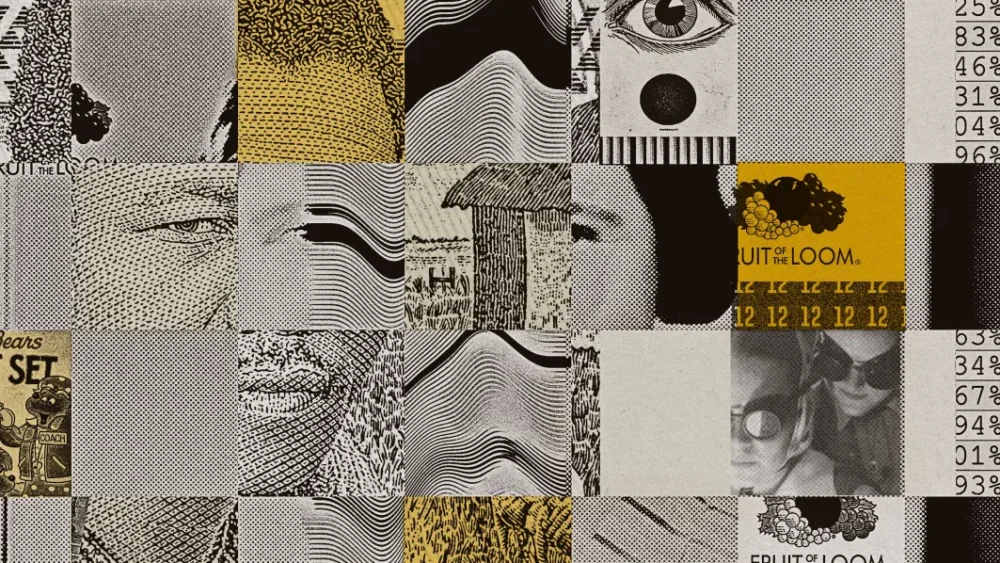
In April 2024, a clandestine digital war erupted on the encrypted platforms of Telegram and Discord. Anonymous online personas, operating under the chilling aliases "Waifu" and "Judische," unleashed a torrent of death threats directed at Allison Nixon, a formidable cybersecurity researcher. Nixon, the Chief Research Officer at Unit 221B—a cyber investigations firm aptly named after Sherlock Holmes’ iconic address—had carved a career out of meticulously tracking down and aiding in the apprehension of cybercriminals. For over a decade, her relentless pursuit of digital malefactors had made her a significant obstacle to those operating in the shadows.
Despite her extensive experience, Nixon found herself perplexed by the sudden and targeted nature of these threats. The "Waifu" persona, in particular, had previously piqued her interest years ago due to his boastful admissions of criminal activity. However, he had faded from her immediate radar as her investigations shifted to other pressing targets. The resurgence of his digital presence, now weaponized with direct threats, was both unexpected and alarming. Determined to confront this unseen adversary and the others involved, Nixon resolved to unmask "Waifu/Judische" and bring them to justice for the crimes they had admitted to online. Her journey to expose these digital tormentors and hold them accountable for their dangerous rhetoric is a testament to her unwavering commitment to cybersecurity and the pursuit of justice in the digital age.
Meanwhile, a poignant story of resilience and technological redemption unfolded for Patrick Darling, a 32-year-old musician whose life was irrevocably altered by amyotrophic lateral sclerosis (ALS). Diagnosed at 29, ALS, a progressive motor neuron disease, systematically erodes the body’s ability to control its muscles, impacting movement, speech, and even breathing. For Patrick, this meant the devastating loss of his ability to sing, a profound loss for a passionate musician. His last stage performance was over two years prior, a time when he was already grappling with the inability to stand, play his instruments, and articulate his thoughts and emotions through song.
However, in a remarkable display of human spirit and technological advancement, Patrick has found a way to reclaim his voice. Utilizing an AI tool meticulously trained on fragments of his old audio recordings, he was able to recreate a digital facsimile of his lost vocal sound. This "voice clone" has not only allowed him to perform again, bringing tears to the eyes of his audience with a heartfelt song dedicated to his grandfather, but has also empowered him to compose new music. This groundbreaking application of AI has opened a new chapter for Patrick, enabling him to continue sharing his musical gift with the world, defying the limitations imposed by his debilitating illness.
The world of technology is abuzz with other significant developments. Peter Steinberger, the visionary behind OpenClaw, has joined OpenAI, a move that signals the organization’s serious commitment to advancing the capabilities of AI agents. This development, coupled with the ongoing discourse surrounding the "peak AI theater" of Moltbook, highlights the rapid evolution and increasing sophistication of artificial intelligence.
In a stark reminder of the darker applications of technology, North Korea’s illicit funding of its nuclear program through remote IT worker scams has been detailed by a defector, underscoring the global implications of digital crime. This unsettling revelation comes at a time when nuclear security is a growing concern across Europe.
The intersection of AI and personal identity has also taken center stage. Radio host David Greene is suing Google, alleging that the AI voice used in their NotebookLM app bears an uncanny resemblance to his own distinctive vocalizations, raising crucial questions about intellectual property and the ethics of AI voice cloning. This lawsuit echoes broader concerns about the proliferation of AI-generated podcasts and the potential for misuse.

Economically, US automakers are bracing for the potential impact of Chinese car manufacturers, with fears that political decisions could pave the way for Chinese plants to operate within the US. This comes as China navigates the complexities of its booming electric vehicle market, including the challenge of managing aging batteries.
On the health front, Google’s AI-generated medical advice is under scrutiny for downplaying safety warnings, a concern amplified by the broader trend of AI companies reducing disclaimers about the limitations of their chatbots as medical advisors.
Innovations in automotive technology continue, with a compact device showing promise in making Lidar affordable for all vehicles, potentially revolutionizing advanced driver-assistance systems. Meanwhile, the burgeoning trend of robot fight nights in San Francisco and the integration of humanoid robots into Chinese New Year celebrations point to the increasing presence of robotics in entertainment and cultural events.
Social media trends also present intriguing, and sometimes concerning, narratives. Influencers promoting the feeding of butter to babies, despite a lack of scientific evidence, highlights the pervasive influence of online trends. Conversely, technology like Microsoft Translator is demonstrating its power to bridge communication gaps, enabling a couple to sustain a marriage despite not speaking the same language, though this positive development is contrasted by a rise in AI-powered romance scams.
The gaming industry is also exploring the transformative potential of AI, with promises of more immersive and sophisticated video games, though the realization of these ambitious goals remains to be seen. This exploration includes Google DeepMind’s use of Gemini to train agents within Goat Simulator 3.
A thought-provoking quote from Scott Shambaugh, a software engineer targeted by an AI bot, warns of the "incredibly concerning" future implications of AI-generated personal attacks, suggesting this incident is merely the "baby version" of a growing problem.
Finally, a fascinating exploration into the "Mandela effect" delves into the psychological phenomenon of collective false memory, using the widely debated Fruit of the Loom logo as a prime example of how shared, yet inaccurate, recollections can persist. This piece invites reflection on the nature of memory and perception. In lighter news, the simple joy of crispy lentils for salads and the unexpected discovery of a "secret third set of teeth" in humans offer moments of comfort and wonder. The ongoing quest to understand the universe’s shape continues, reminding us of the enduring mysteries that captivate the human mind.