anjir abdul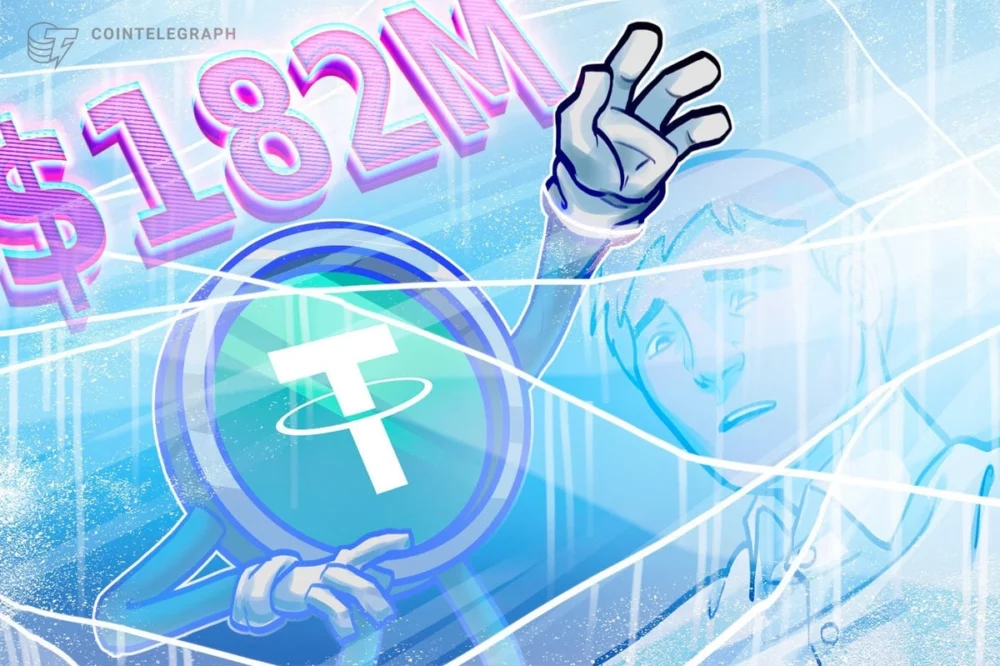
Recent turmoil in Venezuela and Iran has again put the spotlight on the profound duality of stablecoins, particularly US dollar-backed assets like Tether (USDT), which serve as both a crucial lifeline for embattled citizens seeking economic refuge and a controversial instrument leveraged by blacklisted entities to circumvent international sanctions. The unfolding events at the beginning of 2026, marked by escalating political uncertainty and widespread civil unrest in both nations, underscore the complex and often contradictory roles these digital assets play within a global financial landscape increasingly shaped by geopolitical tensions and technological innovation.
Both Venezuela and Iran have been catching global headlines, not just for their political upheavals but also for their severe economic predicaments. Facing a relentless barrage of international sanctions, hyperinflationary pressures, profound political instability, and a pervasive cost-of-living crisis, these countries have witnessed a dramatic shift in their financial ecosystems, where cryptocurrencies and stablecoins have become an indispensable, albeit contentious, part of daily life. For millions, these digital assets represent a desperate bid for financial sovereignty and stability against collapsing national currencies and inaccessible traditional banking systems.
Iran’s Stablecoin Entanglement: A Nation in Turmoil
Iran, in particular, has been a hotbed of unrest over the past two weeks, with protests erupting nationwide in response to rapidly worsening economic conditions. The Iranian rial has plummeted to unprecedented record lows against the US dollar, exacerbating an already dire situation for ordinary citizens. This currency collapse is not a new phenomenon, with the rial steadily losing value for decades, but the current crisis has pushed the nation to the brink. The situation has rapidly escalated from localized demonstrations to widespread protests across Iran, leading to thousands of arrests and hundreds reportedly killed as authorities moved to quell dissent. Amidst this backdrop of civil unrest, the Iranian government further tightened its grip by cutting off domestic internet access on Thursday, a move often employed to stifle communication and organization among protestors.
In this environment of severe economic hardship and state control, crypto and stablecoins have emerged as a critical tool for Iranian citizens. With the Iranian rial’s purchasing power eroding daily, stablecoins offer a tangible hedge against runaway inflation and systemic risk. Tron-based Tether (USDT) has reportedly become the most utilized digital asset in the country, favored for its lower transaction fees and faster processing times compared to its Ethereum counterpart, making it more accessible for everyday transactions in an economy starved for liquidity. Citizens use USDT not just for speculative trading but for preserving savings, facilitating cross-border remittances to support families, and even for basic commerce, bypassing the collapsing traditional financial infrastructure.
However, the journey towards broader crypto adoption in Iran faced significant setbacks in 2025. A major hack on the country’s largest exchange eroded public trust, while a significant number of Tether blacklistings, likely due to increased scrutiny from international compliance bodies, further complicated usage. In a move to assert control over the burgeoning crypto market, the Iranian government also imposed an annual limit on stablecoin holdings in late September, allowing citizens a maximum holding of $10,000 and limiting purchases to $5,000 per person. These measures reflect the government’s struggle to balance the need for economic stability with the desire to prevent capital flight and potential circumvention of sanctions.
Beyond individual citizens, stablecoins have also attracted the attention of sanctioned entities. A recent report from blockchain analytics firm TRM Labs, released on Friday, presented alarming findings. It indicates that since 2023, Iran’s Islamic Revolutionary Guard Corps (IRGC), a powerful and heavily sanctioned military organization, has allegedly moved over $1 billion worth of stablecoins. This illicit financial activity was reportedly facilitated via two “UK-based front companies” identified as Zedcex and Zedxion.
The report claimed that despite their public presentation as distinct individual firms, Zedcex and Zedxion have been quietly functioning in concert “as financial infrastructure for the IRGC.” TRM Labs elaborated, stating, “In practice, they operate as a single enterprise embedded within a broader Iranian sanctions evasion ecosystem, moving value across borders, currencies, and jurisdictions on behalf of one of the world’s most heavily sanctioned military organizations.” The report further implicated a key figure in this network, Babak Zanjani, described as a "longtime Iranian sanctions-evasion financier previously sanctioned for laundering billions in oil revenue on behalf of regime entities, including the IRGC.” This revelation highlights the sophisticated methods employed by sanctioned groups to exploit the decentralized nature of cryptocurrencies.
Venezuela: A Nation Closely Entwined with USDT
Venezuela presents a parallel narrative, albeit with its own unique history of economic devastation. Similar to Iranians, Venezuelans have embraced USDT as a shield against crippling economic uncertainty. The Venezuelan bolivar has experienced a catastrophic decline over the past decade, culminating in periods of hyperinflation that rendered the national currency virtually worthless. This chronic instability has eroded public trust in traditional banking institutions, paving the way for the widespread adoption of digital alternatives.
The lack of confidence in traditional banks has reportedly led to such pervasive adoption of USDT that it has permeated everyday life. Ordinary Venezuelans now use the asset to pay for a wide array of daily services, opting to set up crypto wallets instead of relying on depreciating bank accounts. Mauricio Di Bartolomeo, a 71-year-old Venezuelan crypto entrepreneur, shared his observations with the Wall Street Journal on Saturday, stating, “It’s how you pay your landscaper and how you pay for your haircut. You can use tether basically for anything.” He further emphasized the depth of this shift: “Stablecoin adoption has gone so far into Venezuela that even without having regulated venues where you can buy and sell them, people still choose to go for stablecoins as opposed to using the local banks.” This widespread integration demonstrates the organic demand for a stable medium of exchange when the national currency fails its most basic function.
Beyond individual transactions, the Wall Street Journal report also highlighted USDT’s significant utilization by Venezuela’s state-run oil company, Petróleos de Venezuela (PDVSA). Facing a severe array of international sanctions, primarily imposed by the United States since 2020, PDVSA reportedly began demanding payments directly in the stablecoin to bypass traditional financial channels that had become inaccessible. The company is now estimated to accept a staggering 80% of all its oil revenue via Tether, frequently employing the asset to settle both incoming and outgoing payments. This strategic shift by a state-owned enterprise underscores the powerful incentive for sanctioned entities to leverage stablecoins for their operational continuity, effectively creating a parallel financial system outside traditional regulatory oversight.
Tether’s Tightrope Walk: Blacklists to Fight Sanction Evaders
The dual nature of stablecoins places immense pressure on issuers like Tether, which must navigate the delicate balance between facilitating financial freedom for individuals and preventing illicit use by sanctioned entities. The WSJ report underscores Tether’s proactive efforts to combat sanctions evasion, noting its cooperation with the US government to blacklist "dozens of wallets" identified as being tied to the Venezuelan domestic oil trade.
This commitment to compliance is further evidenced by publicly available data. According to a December 5 report compiled by AMLBot, Tether blacklisted approximately $3.3 billion worth of funds between 2023 and late 2025. A significant portion of this sum, specifically $1.75 billion, comprised Tron-based USDT, highlighting the prevalence of this particular blockchain in illicit financial activities and Tether’s efforts to curb it. This ongoing "cat and mouse" game involves sophisticated blockchain analysis by compliance firms and Tether itself, working to identify and freeze suspicious addresses.
Just over the recent weekend, the firm reportedly added to these figures by freezing an additional $182 million worth of Tron-based USDT across five wallets. While the direct relation of this particular freeze to Venezuela or Iran has not yet been officially confirmed by Tether, it signifies the continuous efforts to monitor and act against illicit flows. Cointelegraph has reached out to Tether for comment on these latest actions and their broader compliance strategies.
The Broader Implications: A Global Paradigm Shift
The stories of Venezuela and Iran are not isolated incidents but rather microcosms of a broader global trend. Fiat inflation and a lack of trust in traditional financial institutions are driving crypto adoption across the globe, particularly in developing nations or those under economic duress. Stablecoins, with their promise of stability and accessibility, fill a critical void for populations facing hyperinflation and banking system failures. They offer a means to preserve value, facilitate remittances, and conduct everyday transactions when national currencies are in freefall.
However, this undeniable benefit comes with significant regulatory and ethical challenges. The same properties that make stablecoins a savior for citizens – their borderless nature, speed, and pseudo-anonymity – also make them attractive to bad actors, including criminal organizations and sanctioned regimes. This creates a complex dilemma for stablecoin issuers, governments, and international bodies. How can the benefits of these innovative financial tools be harnessed while effectively mitigating the risks of illicit finance and sanctions evasion?
The ongoing situation in Venezuela and Iran serves as a stark reminder of this duality. It underscores the urgent need for a nuanced approach to stablecoin regulation – one that protects innocent users and fosters financial inclusion while simultaneously strengthening global efforts to combat money laundering and terrorist financing. As stablecoins become increasingly integrated into the global financial fabric, the "Role Of Tether’s USDT Venezuela And Iran" will continue to highlight this fundamental tension, shaping the future of digital finance and international policy alike. The evolving landscape demands continuous collaboration between stablecoin issuers, regulatory bodies, and law enforcement to navigate this intricate and ever-changing environment.
Cointelegraph is committed to independent, transparent journalism. This news article is produced in accordance with Cointelegraph’s Editorial Policy and aims to provide accurate and timely information. Readers are encouraged to verify information independently. Read our Editorial Policy https://cointelegraph.com/editorial-policy