isnaini azizah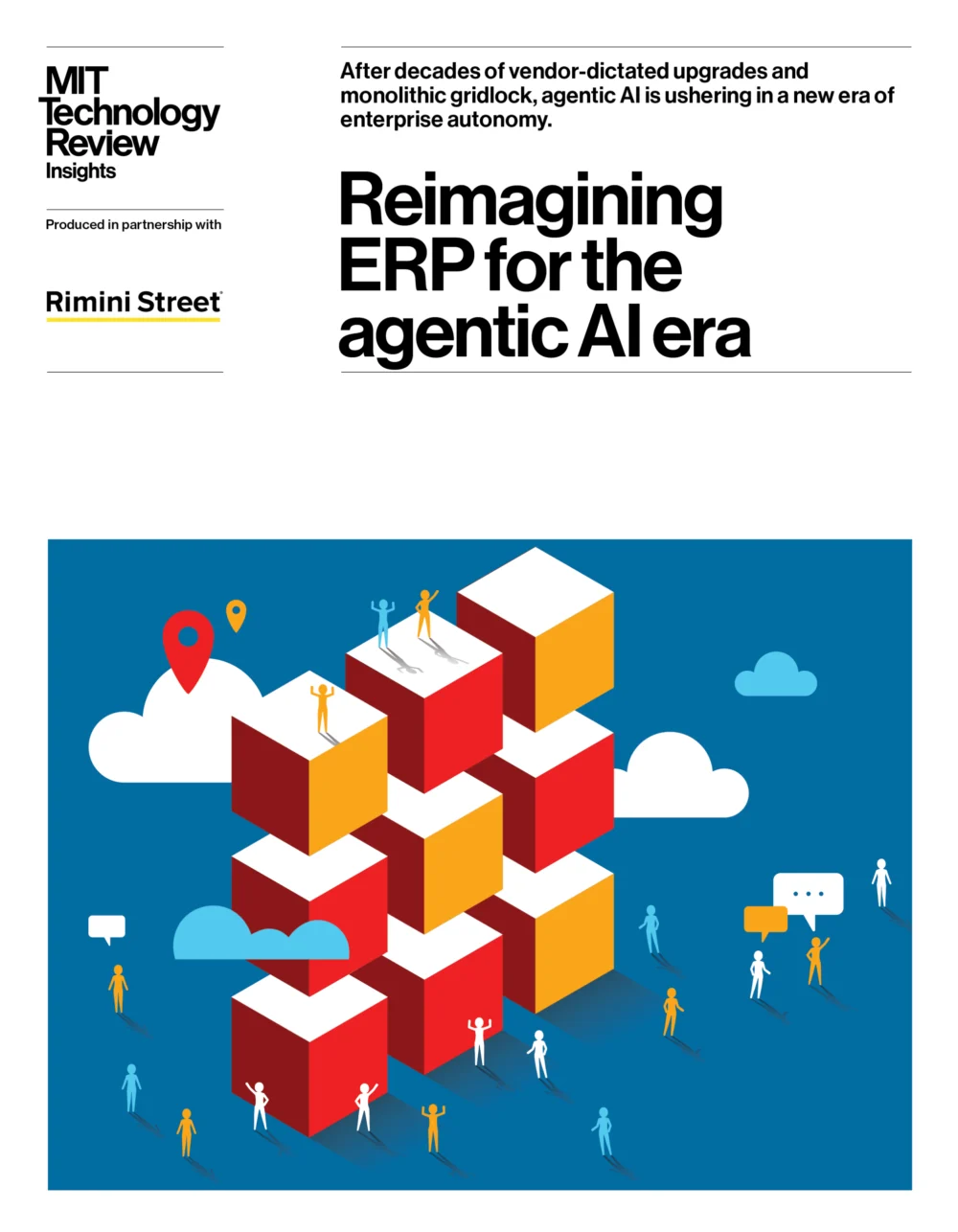
The evolution of Enterprise Resource Planning (ERP) systems is a chronicle of businesses adapting and thriving by embracing the most transformative technologies of their respective eras. From the mid-20th century through the 1980s, the advent of mainframes, Material Requirements Planning (MRP), and Manufacturing Resource Planning (MRP II) revolutionized business operations by consolidating critical data from disparate file cabinets into centralized, digital repositories. The subsequent shift to client-server architectures in the 1980s and 1990s propelled digitization into the mainstream, coinciding with the nascent stages of the internet. As the 21st century unfolded and workforces increasingly moved beyond the confines of the desktop, Software as a Service (SaaS) and cloud computing emerged, heralding an era of flexible access and scalable, elastic infrastructure. This historical trajectory underscores a fundamental truth: ERP has always been about aligning enterprise operations with the cutting edge of technological innovation.
Today, we stand on the precipice of another profound transformation, one driven by the ascendance of composability and agentic Artificial Intelligence (AI). This convergence marks the dawn of a new intelligence age, fundamentally reshaping how businesses organize, manage, and leverage their critical data and processes. Composable architectures are empowering organizations to break free from rigid, monolithic systems. Instead, they can now assemble and integrate capabilities from a diverse array of best-of-breed systems in a flexible, "mix-and-match" fashion. This paradigm shift liberates businesses from vendor lock-in, allowing them to curate an "à la carte" portfolio of purpose-built modules that precisely meet their unique operational needs.
Layered atop this architectural revolution, agentic AI is unlocking unprecedented levels of coordination and intelligence across systems that were never originally designed to communicate. Agentic AI refers to AI agents capable of perceiving their environment, making decisions, and taking actions autonomously to achieve specific goals. In the context of ERP, these agents can act as intelligent intermediaries, bridging the gaps between disparate applications, automating complex workflows, and proactively identifying and resolving issues before they impact operations. This synergistic combination of composability and agentic AI is poised to redefine the very essence of ERP, moving beyond mere data management to intelligent, adaptive, and autonomous enterprise operations.
The implications of this paradigm shift are not merely theoretical. Early indicators and burgeoning research suggest that AI-enabled ERP solutions will deliver substantial and measurable performance gains. A significant 2024 study delved into the impact of integrating AI within ERP systems, revealing that organizations that have adopted AI-driven ERP solutions can anticipate remarkable improvements. The research indicated a potential boost of approximately 30% in user satisfaction, a testament to more intuitive interfaces and streamlined processes. Furthermore, productivity is projected to see a substantial lift of around 25%, as AI automates routine tasks and empowers employees to focus on higher-value activities.

Complementing these findings, another comprehensive study published in 2024 further illuminated the transformative power of AI in ERP. This research suggested that AI-driven ERP implementations can lead to dramatic reductions in processing times, with potential savings of up to 45%. This acceleration of business processes can translate directly into increased efficiency and faster time-to-market. Perhaps even more critically, the study highlighted significant improvements in decision accuracy, estimating gains of up to 60%. By leveraging AI’s analytical capabilities to process vast datasets and identify patterns, businesses can make more informed, data-driven decisions, mitigating risks and capitalizing on opportunities with greater confidence. These quantitative improvements paint a compelling picture of the tangible benefits that agentic AI will bring to ERP.
These dual advancements – composability and agentic AI – are directly addressing long-standing limitations that have plagued previous ERP eras. For decades, businesses have grappled with the constraints imposed by monolithic ERP systems, often finding themselves tied to vendor roadmaps that may not align with their specific innovation strategies. The inflexibility of these systems also hindered the capacity for rapid iteration and adaptation in a rapidly changing business landscape. Furthermore, achieving true interoperability across all critical business functions has remained an elusive goal for many organizations, leading to data silos and inefficient workarounds.
The shift towards composable architectures and agentic AI fundamentally dismantles these barriers. It offers businesses the freedom to innovate and adopt new capabilities independently of any single vendor’s development cycle. This allows for a more agile and responsive approach to technological adoption, enabling organizations to quickly integrate specialized solutions that provide a competitive edge. The capacity for rapid iteration becomes a reality as modular components can be updated, replaced, or reconfigured with far greater ease than with traditional monolithic systems.
Moreover, agentic AI, by its very nature, fosters true interoperability. These intelligent agents can orchestrate data flow and process execution across diverse systems, regardless of their underlying architecture or vendor. This creates a unified and intelligent operational ecosystem, where critical functions seamlessly communicate and collaborate. This end-to-end integration is essential for achieving holistic business visibility and driving strategic decision-making.
This profound transformation signals the definitive end of monolithic dependency. Businesses are no longer beholden to the limitations and dictates of a single, all-encompassing ERP provider. Instead, they can architect their technology stack to be as dynamic and adaptable as their business strategies. For early adopters who strategically embrace this new paradigm, this represents a once-in-a-generation opportunity to gain a significant and sustainable competitive advantage. By being at the forefront of implementing composable architectures and leveraging the power of agentic AI, organizations can optimize their operations, accelerate innovation, enhance decision-making, and ultimately, outperform their competitors. The future of ERP is not just about managing resources; it’s about intelligently orchestrating them in an autonomous, adaptive, and AI-driven enterprise.

The core advantages of this new era of ERP can be summarized as follows:
- Enhanced Agility and Flexibility: Composable architectures allow businesses to swap and integrate best-of-breed solutions, creating a highly adaptable technology stack that can evolve with business needs.
- Unprecedented Interoperability: Agentic AI enables seamless communication and data exchange between disparate systems, breaking down data silos and fostering a unified operational view.
- Accelerated Innovation: Freedom from vendor roadmaps empowers organizations to adopt specialized capabilities and drive innovation independently.
- Boosted Productivity and Efficiency: Automation of routine tasks and intelligent workflow orchestration by AI agents frees up human capital for strategic initiatives.
- Improved Decision Accuracy: AI’s analytical prowess provides deeper insights and data-driven recommendations, leading to more effective and accurate business decisions.
- Reduced Vendor Lock-in: The ability to assemble a modular system from various providers mitigates dependency on any single vendor.
- Competitive Advantage for Early Movers: Organizations that proactively adopt these technologies are positioned to achieve superior operational performance and market leadership.
This transformative shift in ERP is not a distant prospect; it is unfolding now, driven by the relentless progress in AI and the growing demand for more intelligent, adaptable, and integrated business systems. Businesses that recognize and act upon this evolution will be the ones to define the future of their industries.
Download the report.
This content was produced by Insights, the custom content arm of MIT Technology Review. It was not written by MIT Technology Review’s editorial staff. It was researched, designed, and written by human writers, editors, analysts, and illustrators. This includes the writing of surveys and collection of data for surveys. AI tools that may have been used were limited to secondary production processes that passed thorough human review.