anjir abdul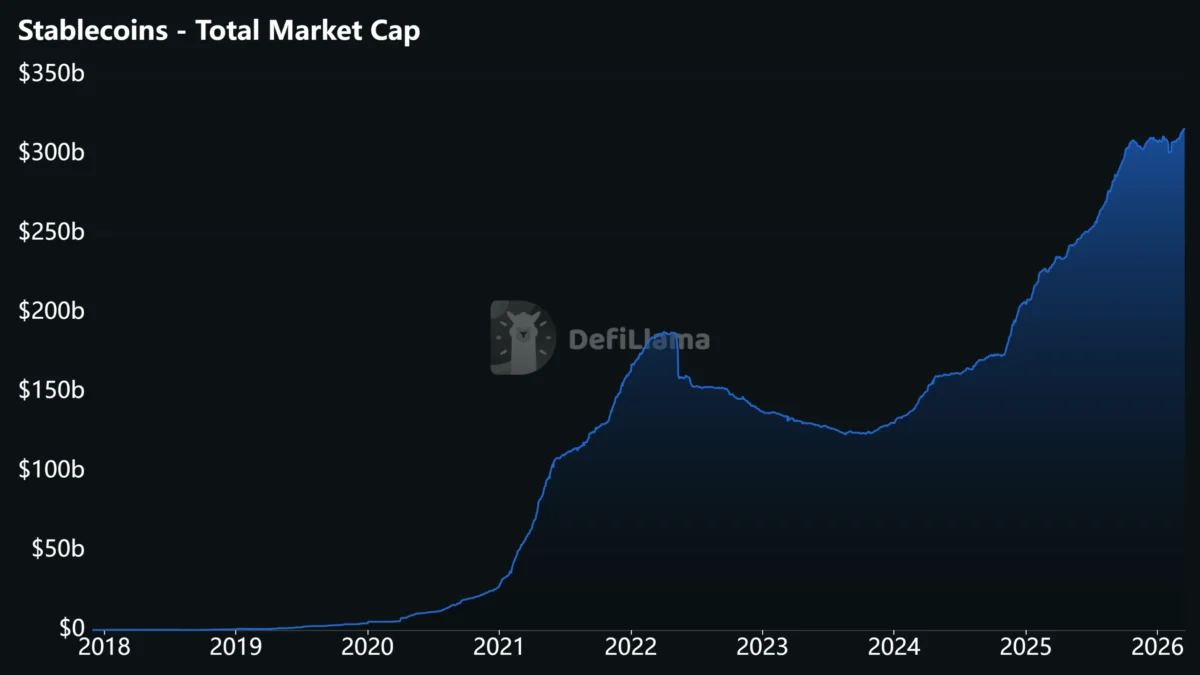
On Wednesday, a detailed Bloomberg report cast a shadow over RedotPay’s growth narrative, alleging significant leadership churn within the rapidly expanding firm. The report claimed that at least five senior executives, including two crucial compliance chiefs, had departed RedotPay within the span of a single year. This exodus, according to people familiar with the matter cited by Bloomberg, was set against a backdrop of an intensely demanding work culture characterized by extended hours and high expectations – a common, yet often problematic, feature of many high-growth tech startups. More critically, the report suggested sensitivities related to RedotPay’s connections to mainland China, a factor that could significantly complicate its ambitious plans for a potential U.S. IPO. For a company operating in the sensitive and heavily scrutinized stablecoin sector, perceived ties to jurisdictions with stricter capital controls or less transparent regulatory environments can attract considerable scrutiny from Western regulators and investors, potentially affecting its market perception and regulatory approval processes.
In response, RedotPay issued a statement to Cointelegraph, framing these personnel changes not as churn but as a natural evolution reflective of its rapid ascent. "As we transition from an early-stage startup to a unicorn, we are evolving our organizational structure and talent pool to support our ongoing growth trajectory," the company stated, carefully choosing its words to contextualize any personnel shifts as deliberate efforts to optimize for scale and maturity. Notably, the statement did not directly address the specific allegations of executive departures or the "China sensitivities" highlighted by Bloomberg. Instead, the company emphasized the stability of its core leadership, affirming that all co-founders, including CEO Michael Gao, the chief operating officer (COO), and the chief technology officer (CTO), remain steadfastly at the helm, continuing to lead key functions. This assertion aimed to reassure stakeholders that the strategic vision, operational backbone, and long-term direction of the company remain intact despite external reports of internal turbulence and leadership changes.
The Bloomberg report also revisited earlier, equally significant claims from February, which indicated RedotPay’s substantial ambition to pursue a U.S. IPO. This potential listing could be transformative for the company and the broader crypto industry, aiming to raise upwards of $1 billion and potentially valuing the company at an astonishing $4 billion or more. Such a valuation would firmly cement its status as a leading player in the burgeoning stablecoin and crypto payments sector, placing it among the most valuable privately held companies in the blockchain space. The company was reportedly engaging with titans of investment banking – JPMorgan, Goldman Sachs, and Jefferies – signaling serious intent for a New York listing that could materialize as early as this year. A U.S. IPO would not only provide a massive capital injection crucial for further expansion but also significantly enhance RedotPay’s global legitimacy and reach, albeit subjecting it to the rigorous and often complex U.S. regulatory oversight. This makes the reported departures of compliance chiefs even more pertinent, as robust regulatory adherence is paramount for any financial entity, particularly one seeking to operate within the stringent U.S. public markets.
A specific point of interest raised by both the recent and earlier reports was the absence of a dedicated Chief Financial Officer (CFO) within RedotPay’s executive structure. RedotPay confirmed this, noting that one of its co-founders currently oversees finance, working in tandem with the company’s investor relations and corporate development leadership. The company clarified, "We may appoint a CFO at a later stage as the need arises," suggesting that while they recognize the traditional importance of the role, their current structure adequately serves their immediate needs. This approach, while not entirely uncommon for rapidly scaling startups that prioritize product development and market penetration, can become a significant point of concern as a company approaches public markets. A seasoned CFO is typically considered indispensable for navigating complex financial reporting, ensuring robust internal controls, managing investor relations, and guiding the company through the intricate process of an IPO. RedotPay also highlighted its substantial growth in personnel, now employing over 250 people globally, with the majority of its workforce concentrated in its Hong Kong base, underscoring its impressive operational expansion in a short period since its founding in 2023.
Despite its ambitious growth plans and the inherently capital-intensive nature of scaling a global financial technology company, RedotPay articulated a confident stance regarding its immediate funding needs. The company asserted there is "no urgency" to secure new funding, attributing this comfortable position to robust operating cash flow and ample liquidity. This statement is a powerful signal to the market, suggesting self-sufficiency and financial health, which can be particularly attractive to potential investors who prefer companies not desperate for capital. Such a position allows the company to negotiate from strength should it decide to pursue further funding rounds. However, RedotPay also maintained that it remains open to strategic investors, indicating a pragmatic approach to future growth opportunities and a willingness to bring in partners that can offer more than just capital, such as strategic guidance or market access.

This current financial confidence is built upon a foundation of exceptionally successful fundraising efforts throughout 2025. RedotPay managed to secure an impressive total of $194 million across three distinct rounds within a single year. The year began with a $40 million Series A round in March, prominently led by Lightspeed, a renowned venture capital firm with a strong track record in tech investments. This was followed by a substantial $47 million strategic round in September, which notably brought in Coinbase Ventures, the investment arm of the leading U.S. crypto exchange. This particular round was instrumental in catapulting RedotPay into the coveted "unicorn" club, signifying a private valuation of over $1 billion – a remarkable achievement for a company founded just two years prior. The momentum continued unabated into December with a substantial $107 million Series B round. This round was spearheaded by Goodwater Capital, with additional participation from other major industry players including Pantera Capital, Blockchain Capital, and Circle Ventures. The caliber and diversity of these investors speak volumes about the perceived potential and market confidence in RedotPay’s business model and aggressive growth trajectory.
Founded in 2023, RedotPay has quickly carved out a significant niche in the stablecoin payments ecosystem. Its core offering revolves around an intuitive app paired with a physical and virtual Visa card, enabling users to seamlessly spend stablecoins for everyday transactions. This direct utility, bridging the gap between digital assets and real-world commerce, is a key differentiator. Beyond mere payment functionality, the company also provides yield and remittance services, positioning itself as a comprehensive stablecoin financial platform. This integrated approach allows users to not only transact but also potentially earn returns on their stablecoin holdings and facilitate efficient cross-border transfers, addressing key pain points in both traditional finance and the nascent crypto economy. The rising stablecoin market capitalization, which has now soared above $300 billion according to data from DefiLlama, provides a fertile and expanding ground for companies like RedotPay that aim to enhance the utility and accessibility of digital assets in mainstream financial activities.
The global stablecoin market has indeed witnessed exponential growth, cementing its role as a crucial liquidity layer within the broader crypto ecosystem. This expansion, underscored by the DefiLlama chart, highlights the increasing adoption and utility of these digital assets, particularly for payments, cross-border remittances, and as a safe haven during crypto market volatility. However, this growth also comes with heightened regulatory scrutiny worldwide. Jurisdictions like Hong Kong are actively developing comprehensive frameworks for stablecoins, while the U.S. continues to debate robust federal legislation. For a company like RedotPay, aiming for a U.S. IPO and operating with a stablecoin-centric model, navigating these diverse and evolving regulatory landscapes is paramount. The reported departure of compliance chiefs takes on added significance in this context, as robust compliance infrastructure and experienced leadership are non-negotiable for financial institutions, especially those dealing with digital assets and seeking to operate globally.
The "sensitivities tied to its mainland China connections" also warrants further examination. While RedotPay is officially based in Hong Kong, a special administrative region with its own distinct legal and financial systems, the lines can often blur for international investors, particularly given Beijing’s tightening grip on technology and finance, and its historical stance against cryptocurrency. For a company seeking to list in the U.S., any perception of undue influence or control from mainland China could trigger national security reviews, stricter regulatory requirements, or investor apprehension, especially concerning data privacy, intellectual property, and financial oversight. RedotPay’s ability to clearly delineate its operational independence and demonstrate unwavering adherence to Hong Kong and international regulatory standards will be crucial in mitigating these concerns and ensuring a smooth path to its public market aspirations.
Moreover, the reported "demanding work culture with extended hours" is a common characteristic of fast-growing startups aiming for rapid market dominance. While such an environment can drive immense innovation and accelerate growth, it can also lead to burnout and, as alleged in Bloomberg’s report, high employee turnover. For a company on the cusp of an IPO, maintaining a stable and experienced leadership team is vital, as institutional investors look for predictability, strong corporate governance, and a reliable management structure. The departure of multiple senior hires, particularly those in critical compliance and operational roles, could signal underlying internal issues that might give pause to institutional investors scrutinizing the company’s long-term viability and risk management capabilities. RedotPay’s narrative of "evolving organizational structure" needs to convincingly address how it retains top talent and cultivates a sustainable corporate culture fit for a publicly traded entity, capable of enduring the rigors of public market expectations and ongoing scrutiny.
In conclusion, RedotPay stands at a pivotal juncture, balancing its ambitious growth trajectory and public market aspirations with increased scrutiny over its internal operations and external connections. Its confident defense of team consolidation as a strategic move, coupled with a strong financial position bolstered by impressive fundraising, paints a picture of a company poised for its next chapter. Yet, the questions raised by external reports regarding executive stability, regulatory readiness, the absence of a dedicated CFO, and geopolitical sensitivities will undoubtedly remain key considerations for investors, regulators, and the market at large. As RedotPay navigates its path towards becoming a global stablecoin powerhouse, the coming months will be critical in demonstrating its resilience, its capacity for mature corporate governance, and its ability to seamlessly transition into a truly global, compliant, and sustainable financial services leader.