Faris Adani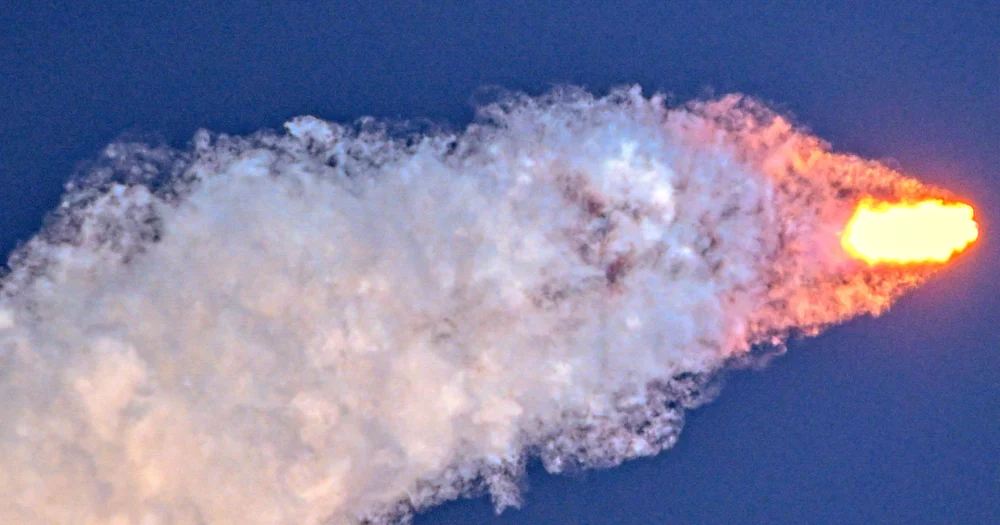
Rapid Space Launches Shifting the Chemistry of Earth’s Atmosphere
Space has never been more accessible than it is today, ushering in an era of unprecedented exploration and global connectivity. Yet, this burgeoning activity, marked by an exponential rise in rocket launches and the deployment of vast satellite mega-constellations, carries a hidden and potentially grave environmental cost. While humanity marvels at daily rocket ascensions, a silent transformation is occurring within Earth’s delicate atmosphere, threatening to undo decades of environmental progress and reshape our planet’s protective layers.
The New Space Age: Unprecedented Congestion and its Consequences
The pace of space activity has accelerated dramatically. What was once the exclusive domain of national space agencies is now a bustling commercial frontier, with companies and governments worldwide racing to deploy thousands of satellites. Mega-constellations like SpaceX’s Starlink, OneWeb, and Amazon’s Project Kuiper aim to provide global internet coverage, alongside countless other satellites for Earth observation, climate monitoring, and scientific research. This relentless expansion means launches have become an almost daily occurrence, rapidly filling orbital pathways with active spacecraft.
This intense activity, however, inevitably increases orbital debris – defunct satellites, spent rocket stages, and fragments from collisions. Beyond the immediate risk of dangerous debris and potential <a href="https://futurism.com/space/chinese-astronauts-