anjir abdul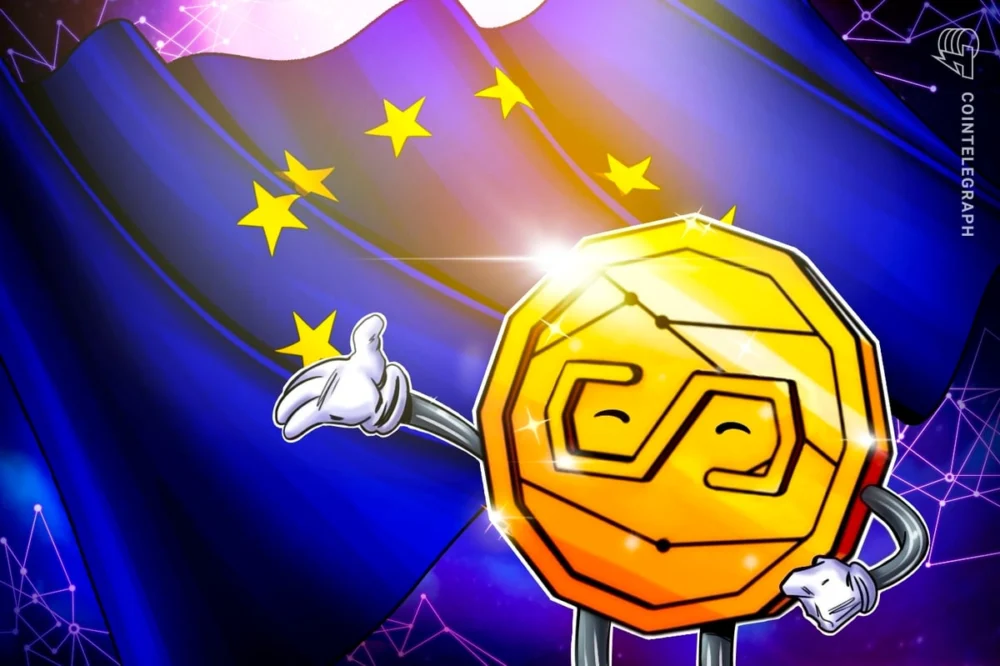
Qivalis, a formidable consortium comprising some of Europe’s leading financial institutions, is reportedly in advanced negotiations with prominent crypto exchanges and dedicated liquidity firms, laying the groundwork for the distribution of its much-anticipated euro-pegged stablecoin, according to a recent report by the Spanish business newspaper Cinco Días. This strategic initiative marks a significant step towards the mainstream adoption of regulated digital assets within the Eurozone and beyond.
The consortium, initially unveiled in September 2025 with nine founding members, has steadily expanded its ranks, most recently welcoming BBVA, a major Spanish banking group, as its twelfth member in early February. This growing coalition of financial giants, including ING, UniCredit, CaixaBank, Danske Bank, Raiffeisen Bank International, KBC, SEB, DekaBank, and Banca Sella, is meticulously orchestrating the launch of its euro stablecoin, targeting the second half of 2026. The involvement of such an extensive network of established banks underscores a collective commitment to bridging traditional finance with the burgeoning digital asset economy, specifically within a robust regulatory framework.
The current phase of Qivalis’s development is heavily focused on establishing a comprehensive and resilient distribution network. Cinco Días highlighted that the consortium is engaged in advanced discussions with a diverse array of stakeholders, including global crypto exchanges, specialized market makers, and liquidity providers. These partnerships are crucial for ensuring the stablecoin’s accessibility, liquidity, and seamless integration into the broader digital asset ecosystem. Beyond external collaborations, the consortium’s shareholder banks themselves are poised to play a direct role in the distribution, leveraging their extensive customer bases and existing financial infrastructure to onboard users and facilitate transactions. This dual distribution strategy, combining the reach of crypto-native platforms with the trust and regulatory compliance of traditional banks, is designed to maximize market penetration and user adoption.
Jan Sell, the CEO of Qivalis and a former head of Coinbase in Germany, articulated the consortium’s ambitious vision, emphasizing its intent to forge partnerships with both European and international platforms. This global outlook is central to the project’s strategic objective: to establish a "regulated, domestic alternative to US dollar-denominated stablecoins." Sell’s statement underscores Europe’s growing desire for financial sovereignty in the digital realm, reducing reliance on USD-pegged assets which currently dominate the stablecoin market. The initiative is not merely about creating a digital euro; it’s about positioning the Eurozone as a leader in the tokenized economy, offering a stable and compliant digital currency solution that reflects the economic strength and regulatory rigor of the European Union.
Sell further elaborated on the critical use cases that necessitate such a broad and global distribution strategy. "It’s essential for our core use cases, such as facilitating real-time, cross-border business-to-business payments and global trade," he stated. The current international payment landscape is often characterized by high costs, slow settlement times, and operational complexities. A highly liquid, regulated euro stablecoin has the potential to revolutionize these processes, enabling instantaneous, low-cost transfers across borders, thereby streamlining supply chains, improving treasury management for multinational corporations, and fostering greater efficiency in international commerce. Beyond B2B payments, the stablecoin could unlock new opportunities in areas like decentralized finance (DeFi), remittances, and the tokenization of real-world assets, providing a stable, euro-denominated base layer for a myriad of innovative applications.
A cornerstone of Qivalis’s strategy is its unwavering commitment to regulatory compliance, particularly with the European Union’s groundbreaking Markets in Crypto-Assets (MiCA) Regulation. MiCA, which is set to fully come into effect across the EU, provides a harmonized legal framework for crypto assets, including stablecoins, offering clarity and consumer protection that has long been sought after in the industry. By adhering strictly to MiCA, Qivalis aims to build unparalleled trust and legitimacy, distinguishing its offering from less regulated counterparts. This regulatory alignment is a key selling point for institutional adoption and broad market acceptance. The report specifically noted that Bit2Me, a MiCA-licensed exchange operating in Spain, has already engaged in discussions with one of the consortium’s member banks, indicating the tangible progress being made in securing compliant distribution partners. The MiCA framework is particularly stringent on stablecoin issuers, requiring them to maintain robust reserves, implement transparent redemption mechanisms, and undergo rigorous oversight, all of which Qivalis is proactively addressing.

During a recent presentation, Floris Lugt, the Chief Financial Officer of Qivalis, provided crucial details regarding the stablecoin’s backing mechanism, a fundamental aspect that underpins its stability and trustworthiness. Lugt confirmed that the Qivalis stablecoin will be backed 1:1 by reserves, ensuring that each digital token is fully redeemable for one euro. He further specified that at least 40% of these reserves would be held in bank deposits, providing a direct link to the traditional financial system and offering a high degree of liquidity and security. The remaining portion of the reserves, he explained, would be strategically invested in short-term, high-quality euro-area sovereign bonds. This diversified approach is designed to mitigate concentration risk in any single country, enhancing the overall resilience and stability of the stablecoin’s backing. Such a conservative and diversified reserve strategy is paramount for a stablecoin aiming for widespread institutional adoption and regulatory approval, as it minimizes volatility and ensures robust liquidity under various market conditions. Lugt also highlighted another critical feature: the euro stablecoin will support 24/7 redemption for token holders. This "always-on" redemption capability is a significant advantage over traditional banking hours, aligning with the inherently continuous nature of digital asset markets and facilitating immediate liquidity for users globally.
The emergence of Qivalis’s euro stablecoin project is part of a broader trend of traditional financial institutions exploring and integrating digital assets. This movement is not isolated; for instance, the Deutsche Bank-backed AllUnity recently launched a Swiss franc stablecoin, CHFAU, also operating under the MiCA framework. These initiatives signify a pivotal shift in the financial landscape, where traditional finance (TradFi) is increasingly recognizing the efficiency, speed, and programmability offered by blockchain technology and tokenized assets. The motivation extends beyond mere technological adoption; it represents a strategic imperative for banks to remain competitive, innovate their service offerings, and cater to evolving customer demands in a rapidly digitizing world.
The strategic implications of a widely adopted, regulated euro stablecoin cannot be overstated. For the European Union, it represents a significant step towards reinforcing the international role of the euro in the digital age, offering a credible alternative to USD-denominated stablecoins like Tether (USDT) and USD Coin (USDC). This could enhance Europe’s financial autonomy, reduce its reliance on external digital infrastructures, and provide a robust foundation for the future of digital finance within the Eurozone. Moreover, by fostering a regulated environment for stablecoins, MiCA and projects like Qivalis are paving the way for greater institutional confidence, potentially unlocking trillions in capital that has been hesitant to enter the less-regulated crypto space.
While the outlook for Qivalis is largely positive, the path to widespread adoption will undoubtedly present challenges. These include fierce competition from existing stablecoins, the need to educate and onboard both institutional and retail users, and the continuous evolution of the regulatory landscape. Technological integration with diverse platforms and the seamless interoperability across various blockchain networks will also be crucial for its success. However, with the backing of major European banks, a clear regulatory pathway through MiCA, and a leadership team with deep experience in both traditional finance and crypto, Qivalis appears well-positioned to navigate these complexities.
In conclusion, Qivalis’s aggressive push to secure distribution partnerships and refine its stablecoin’s technical and financial architecture underscores a resolute commitment to launching a regulated euro-pegged digital asset by the second half of 2026. This consortium, representing a powerful confluence of European banking strength and digital innovation, is not merely creating another stablecoin; it is actively shaping the future of digital finance in Europe, offering a compliant, stable, and globally accessible alternative that could redefine cross-border payments, international trade, and the broader digital economy for years to come. The advanced talks with exchanges and liquidity providers signal that the project is moving rapidly from conceptualization to tangible implementation, setting the stage for a transformative moment in the European financial ecosystem.