Pradipta eManuel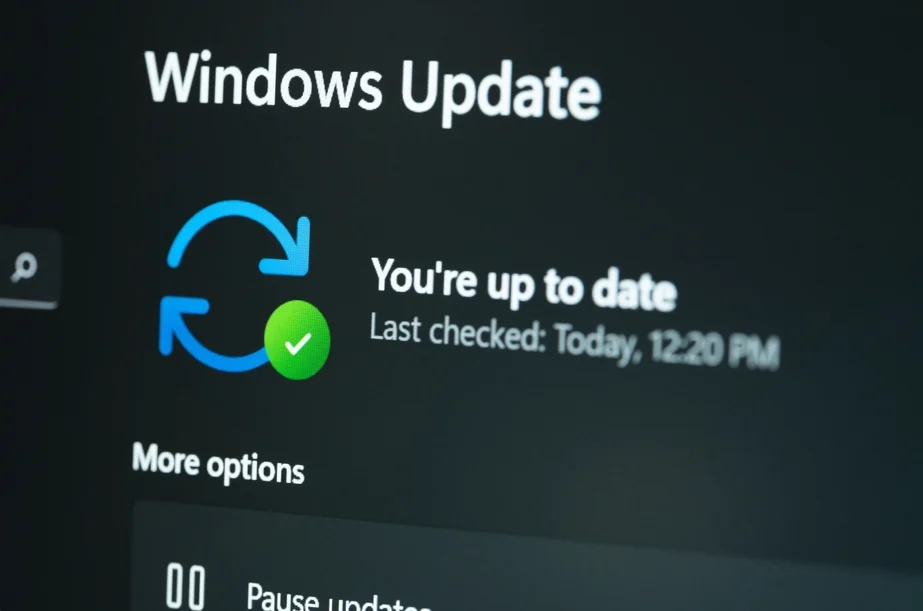
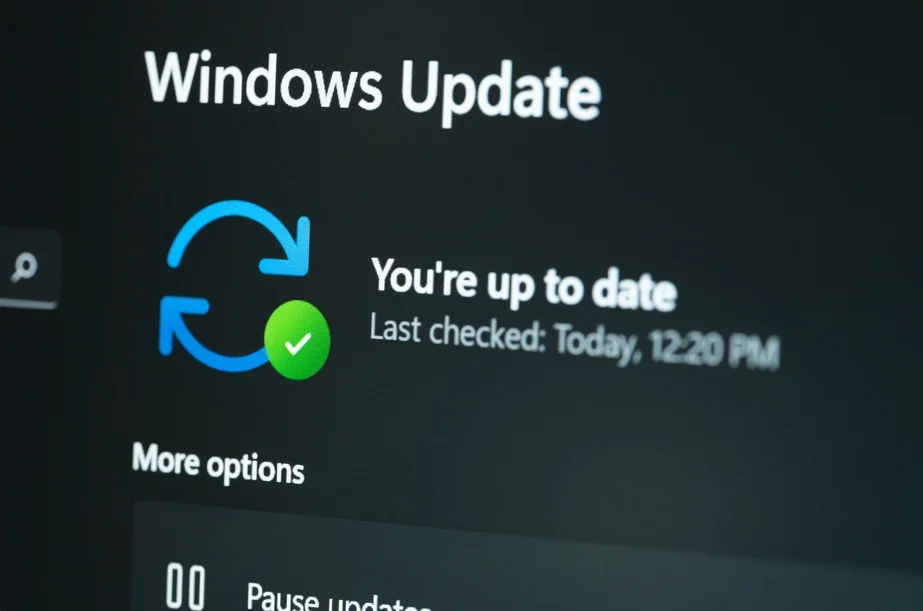
Microsoft has once again unleashed a torrent of critical security updates, addressing a staggering number of vulnerabilities across its vast software ecosystem. This February 2026 Patch Tuesday is particularly noteworthy, as it tackles a concerning six zero-day vulnerabilities that malicious actors have actively been exploiting in the wild, highlighting the ever-present and evolving threat landscape. These zero-days, alongside over fifty other security holes, underscore the imperative for organizations and individuals alike to apply these patches with the utmost urgency.
The most alarming of these zero-days, identified as CVE-2026-21510, represents a critical security feature bypass within the Windows Shell. The insidious nature of this vulnerability lies in its simplicity for attackers: a mere single click on a specially crafted malicious link can silently circumvent Windows’ built-in protections. This allows for the quiet execution of attacker-controlled content without any warning or user consent dialogs, leaving users completely unaware of a breach. This exploit is particularly concerning as it affects all currently supported versions of the Windows operating system, leaving a broad swathe of users exposed.
Adding to the urgency, CVE-2026-21513 is another significant security bypass bug that targets MSHTML, the proprietary rendering engine that powers Internet Explorer and is still utilized by various applications within Windows. This vulnerability could allow attackers to manipulate how web content is rendered, potentially leading to further exploitation. In a related vein, CVE-2026-21514 addresses a similar security feature bypass, this time specifically within Microsoft Word. This suggests a potential attack chain where a malicious document could exploit this flaw to compromise a user’s system.
The threat of privilege escalation is also a prominent concern with this month’s zero-days. CVE-2026-21533 provides a pathway for local attackers to elevate their user privileges to the coveted "SYSTEM" level within Windows Remote Desktop Services. This level of access grants attackers complete control over the affected system, allowing them to install programs, view, change, or delete data, and create new accounts with full administrative rights. Furthermore, CVE-2026-21519 is a zero-day elevation of privilege vulnerability affecting the Desktop Window Manager (DWM). The DWM is a fundamental component of Windows responsible for the graphical rendering and organization of windows on a user’s screen. The fact that Microsoft is patching a second zero-day in DWM in as many months, following the fix for a different DWM zero-day just last month (as reported on January 26, 2026), indicates a persistent and potentially complex attack vector targeting this crucial graphical subsystem.
The sixth and final zero-day, CVE-2026-21525, poses a potentially disruptive denial-of-service (DoS) threat. This vulnerability resides within the Windows Remote Access Connection Manager, the critical service responsible for establishing and maintaining VPN connections to corporate networks. A successful exploitation of this DoS flaw could render remote access capabilities unusable, significantly impacting business operations and productivity for organizations relying on VPNs for secure connectivity.
Beyond the headline-grabbing zero-days, this Patch Tuesday also addresses a multitude of other security concerns. Chris Goettl from Ivanti provides valuable context, reminding the community that Microsoft has been proactive with out-of-band security updates since the January 2026 Patch Tuesday. Notably, a critical fix was released on January 17th to address a credential prompt failure that impacted remote desktop and remote application connections. Additionally, on January 26th, Microsoft patched CVE-2026-21509, another zero-day security feature bypass vulnerability, this time affecting Microsoft Office, further emphasizing the sustained offensive capabilities of threat actors targeting Microsoft’s productivity suite.
Kev Breen of Immersive highlights a significant trend emerging with this month’s updates: the patching of remote code execution (RCE) vulnerabilities affecting GitHub Copilot and various integrated development environments (IDEs). These include fixes for VS Code, Visual Studio, and JetBrains products, identified by CVEs such as CVE-2026-21516, CVE-2026-21523, and CVE-2026-21256. Breen elaborates on the underlying cause of these vulnerabilities, pointing to a command injection flaw that can be triggered through prompt injection. This technique involves tricking AI agents, like those powering developer tools, into executing unintended actions, such as running malicious code or commands.
The implications of these AI-related vulnerabilities are profound. Breen aptly notes that developers represent high-value targets for threat actors due to their access to sensitive data, including API keys and secrets that can serve as keys to critical infrastructure, such as privileged AWS or Azure API keys. When organizations integrate AI, particularly Large Language Models (LLMs) and agentic AI, into their development workflows and automation pipelines, the potential blast radius of a malicious prompt becomes significantly amplified. While this does not necessitate abandoning AI adoption, Breen strongly advises organizations to understand the inherent risks, clearly delineate which systems and workflows have access to AI agents, and rigorously apply the principle of least privilege to mitigate the impact of compromised developer secrets.
For those seeking a comprehensive and granular understanding of all the fixes released this month, the SANS Internet Storm Center offers a valuable resource with a clickable breakdown of each individual update, meticulously indexed by severity and CVSS score. Enterprise Windows administrators, particularly those involved in the crucial pre-deployment testing of patches, are also advised to monitor askwoody.com. This site has a reputation for providing insightful analysis and flagging potentially problematic updates, often referred to as "wonky" updates. In light of these significant security advisories, a timely reminder to back up critical data is more pertinent than ever, especially if it has been some time since the last backup. Users encountering any installation issues with these February 2026 Patch Tuesday updates are encouraged to share their experiences in the comments section, fostering a collaborative approach to cybersecurity.