anjir abdul
Nifty Gateway, recognized as one of the earliest and most influential NFT marketplaces, officially communicated its decision to cease operations next month. The Gemini-owned platform made the announcement on a Saturday post on X, stating, "Today, we are announcing that the Nifty Gateway platform will be closing on February 23, 2026." The platform has already transitioned into a withdrawal-only mode, providing its user base with a critical one-month window to retrieve any remaining NFTs or associated funds. This swift transition highlights the urgency and finality of the decision, leaving users scrambling to secure their digital assets before the hard deadline.
A prominent shutdown notice is now conspicuously displayed on Nifty Gateway’s homepage, serving as a stark reminder of the platform’s impending demise. Users are being offered two primary channels for asset withdrawal: either through a linked Gemini Exchange account or directly to their traditional bank accounts via the Stripe payment gateway. This dual approach aims to accommodate various user preferences and ensures accessibility for retrieving assets. Furthermore, Nifty Gateway has committed to sending detailed email instructions to all customers holding NFTs, Ethereum (ETH), or US dollar balances, guiding them through the withdrawal process. The company has unequivocally urged all users to complete these transactions well in advance of the February 23 deadline, emphasizing that any assets remaining on the platform after this date risk becoming inaccessible.
The closure of Nifty Gateway marks a poignant moment for the NFT ecosystem, which has been grappling with a significant market correction following its unprecedented surge in 2021. Nifty Gateway, launched in 2020, played an instrumental role in catapulting NFTs into mainstream consciousness. Unlike many of its crypto-native contemporaries, Nifty Gateway deliberately lowered the barrier to entry by enabling users to purchase digital collectibles using conventional credit cards. This strategic move demystified the often-complex world of cryptocurrency for a broader audience, attracting traditional art collectors and curious newcomers alike. The marketplace quickly gained renown for its meticulously curated "drops," featuring exclusive digital art from high-profile artists and creators. Iconic figures such as Beeple, whose "Everydays: The First 5000 Days" famously sold for $69 million, and musician Grimes, who leveraged the platform for her "WarNymph Collection," utilized Nifty Gateway to introduce their works to a burgeoning market, solidifying the platform’s reputation as a premier destination for high-value, authenticated digital art.
At the zenith of the NFT frenzy in mid-2021, Nifty Gateway’s influence was undeniable, facilitating over $300 million in sales. This period was characterized by frenzied speculation, record-breaking auctions, and an almost insatiable demand for digital artifacts. However, this momentum proved unsustainable. As the broader NFT market began to cool in late 2021 and throughout 2022, exacerbated by a broader "crypto winter" and tightening macroeconomic conditions, Nifty Gateway, like many other platforms, witnessed a dramatic decline in trading volumes and overall interest. The speculative bubble burst, revealing the inherent volatility and nascent nature of the digital asset class. The once-exuberant market contracted sharply, with floor prices plummeting for many popular collections and investor sentiment shifting from FOMO (fear of missing out) to FUD (fear, uncertainty, and doubt).
In an attempt to adapt to the shifting market dynamics, Nifty Gateway embarked on a strategic pivot in April 2024. The company moved away from operating as a traditional open marketplace, rebranding itself as Nifty Gateway Studio. This strategic shift aimed to refocus its efforts toward on-chain creative projects and fostering brand partnerships, hoping to carve out a sustainable niche in a more mature, less speculative market. The idea was to leverage its expertise in curation and artist relations to develop bespoke NFT experiences and collaborations, moving beyond simple secondary market trading. However, this pivot, despite its forward-thinking intent, ultimately proved insufficient to secure the platform’s long-term viability, culminating in the current decision to shut down.
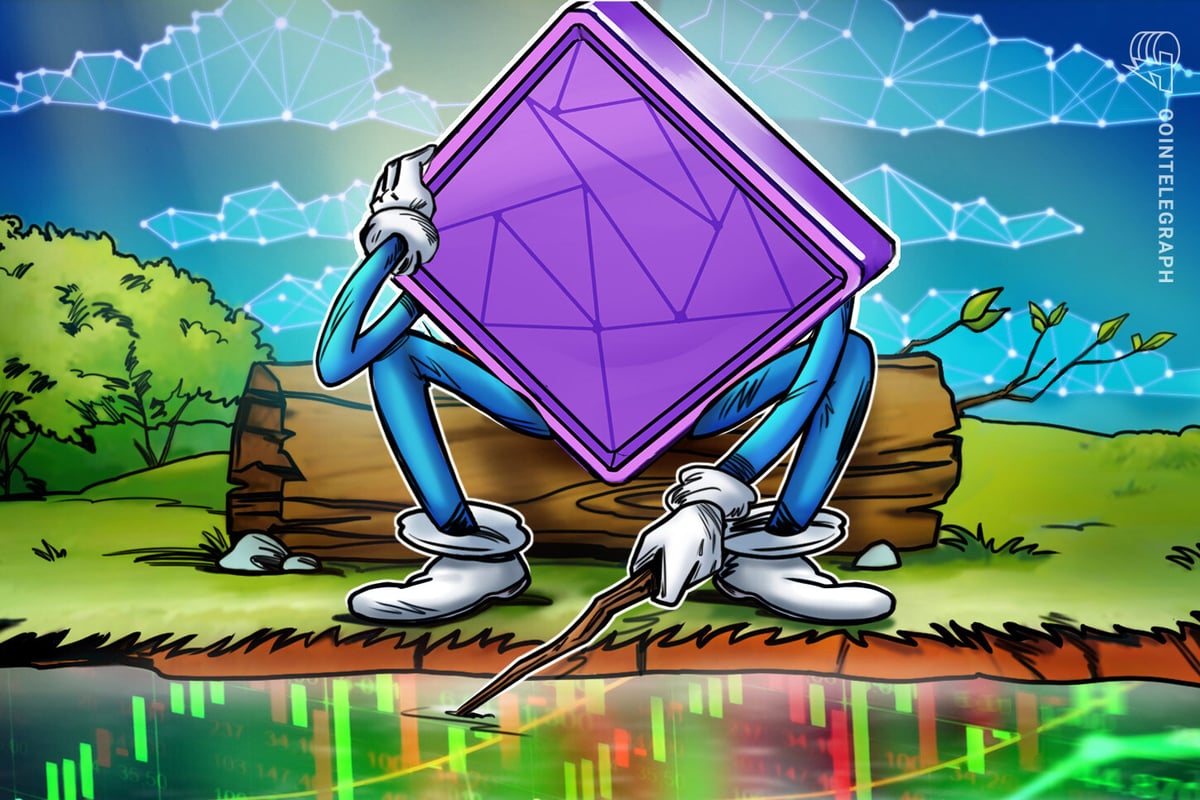
Gemini, the crypto exchange behemoth that acquired Nifty Gateway in 2019, provided its rationale for the closure. The company stated that the decision would enable Gemini to "sharpen its focus" and more effectively execute its vision of building a "one-stop super app" for its diverse customer base. This suggests a strategic consolidation of resources, prioritizing core offerings and areas of competitive advantage within the broader cryptocurrency ecosystem. While Nifty Gateway is closing, Gemini has affirmed its continued support for NFTs through its existing Gemini Wallet, indicating that the company is not entirely abandoning the digital collectibles space but rather integrating it into its broader product strategy rather than maintaining a standalone marketplace. This move reflects a trend among larger crypto firms to streamline operations and concentrate on core infrastructure and services in a more challenging market environment.
The closure of Nifty Gateway serves as a stark reminder of the intense pressures and rapid evolution within the NFT sector. It highlights the challenges faced by early innovators in maintaining relevance and profitability when the initial hype cycle dissipates. The news comes amidst other signals of market contraction, such as the cancellation of NFT Paris, an event that once symbolized the industry’s vibrant community and growth, but now stands as another indicator of the prevailing market sentiment. These events collectively paint a picture of a market undergoing a painful but perhaps necessary maturation phase, where speculative ventures are weeded out, and only projects with genuine utility, strong communities, or innovative value propositions are likely to endure.
Despite the prevailing gloom, the NFT market has shown intermittent glimmers of resilience and strategic recalibration. Earlier this month, Animoca Brands, a prominent player in Web3 gaming and digital entertainment, announced its acquisition of Somo, a firm specializing in gaming and digital collectibles. This acquisition brings Somo’s playable and tradable collectibles into Animoca’s expansive blockchain ecosystem. Animoca Brands intends to seamlessly integrate Somo using shared infrastructure and strategic partnerships, positioning the deal as a significant extension of its already robust gaming and NFT portfolio. This move signals a strategic shift towards utility-driven NFTs, particularly within the burgeoning blockchain gaming sector, where digital ownership and interoperability hold tangible value beyond mere speculation.
The Animoca-Somo acquisition coincided with a short-term rebound observed in the broader NFT market at the start of 2026. Data indicated that the total NFT market capitalization experienced a notable rise of approximately 20% within the first two weeks of the year, climbing from roughly $2.5 billion to over $3 billion. A particularly sharp jump of $300 million occurred within a single 24-hour period, accompanied by a discernible increase in trading volumes. While these upticks could be attributed to various factors, including renewed investor interest in specific niches, seasonal trading patterns, or anticipation of new technological developments, they offer a fragile counter-narrative to the prevailing pessimism. These signs suggest that while the overall market remains in a slump, pockets of innovation and strategic investment continue to exist, hinting at a potential future where NFTs find more sustainable applications beyond the initial speculative fervor.
The departure of Nifty Gateway, an early titan in the NFT space, marks the end of an era. Its rise symbolized the dizzying heights of the NFT boom, and its closure now epitomizes the profound challenges of the subsequent downturn. Yet, the simultaneous strategic acquisitions by industry leaders like Animoca Brands and the fleeting market rebounds suggest that the NFT story is far from over. Instead, it appears to be transitioning from a chaotic gold rush to a more discerning, utility-focused phase. The lesson from Nifty Gateway’s journey is clear: in the volatile world of digital assets, innovation, adaptation, and a clear path to sustainable value are paramount for survival. As the market continues to evolve, only those platforms and projects capable of delivering genuine utility and fostering resilient communities will likely weather the storm and emerge stronger in the long run. The road ahead for NFTs is undoubtedly complex, but the ongoing shifts point towards a future where digital ownership is integrated more deeply into practical applications, moving beyond the speculative whims of its early days.