Faris Adani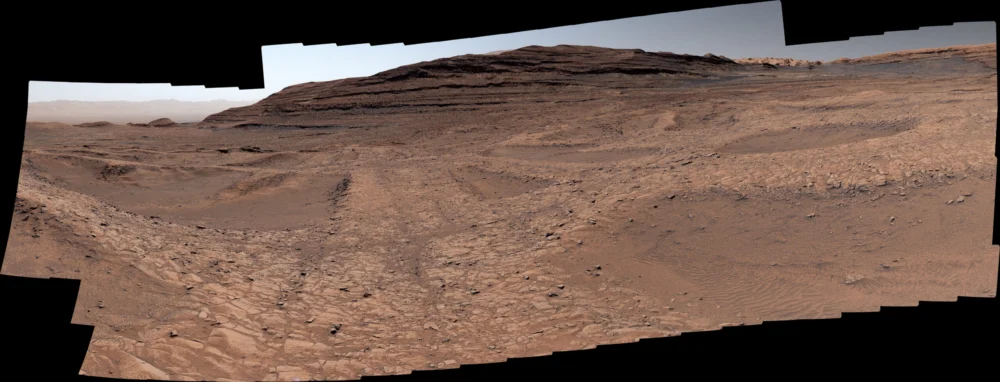
Sign up to see the future, today
Can’t-miss innovations from the bleeding edge of science and tech
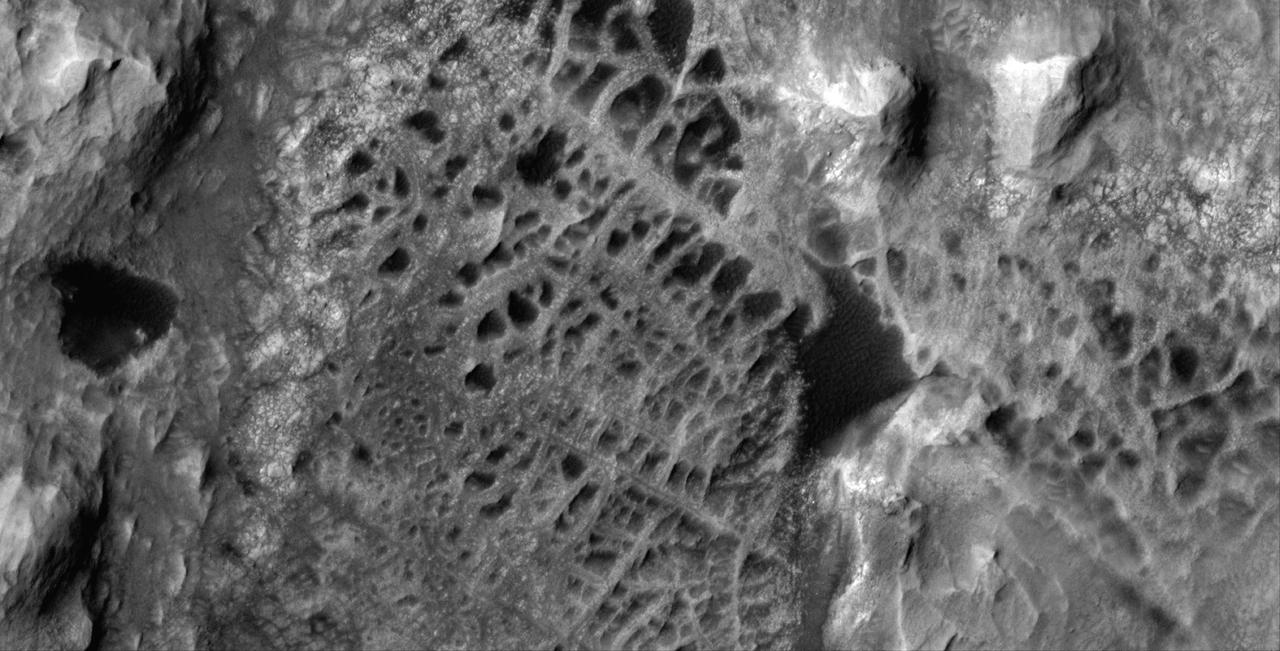
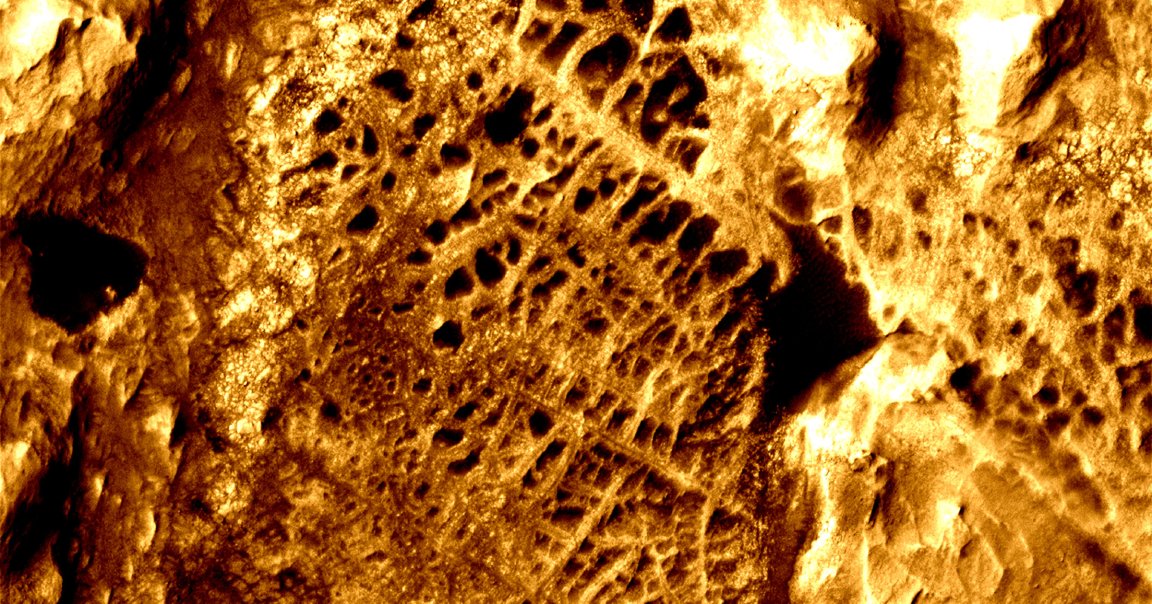
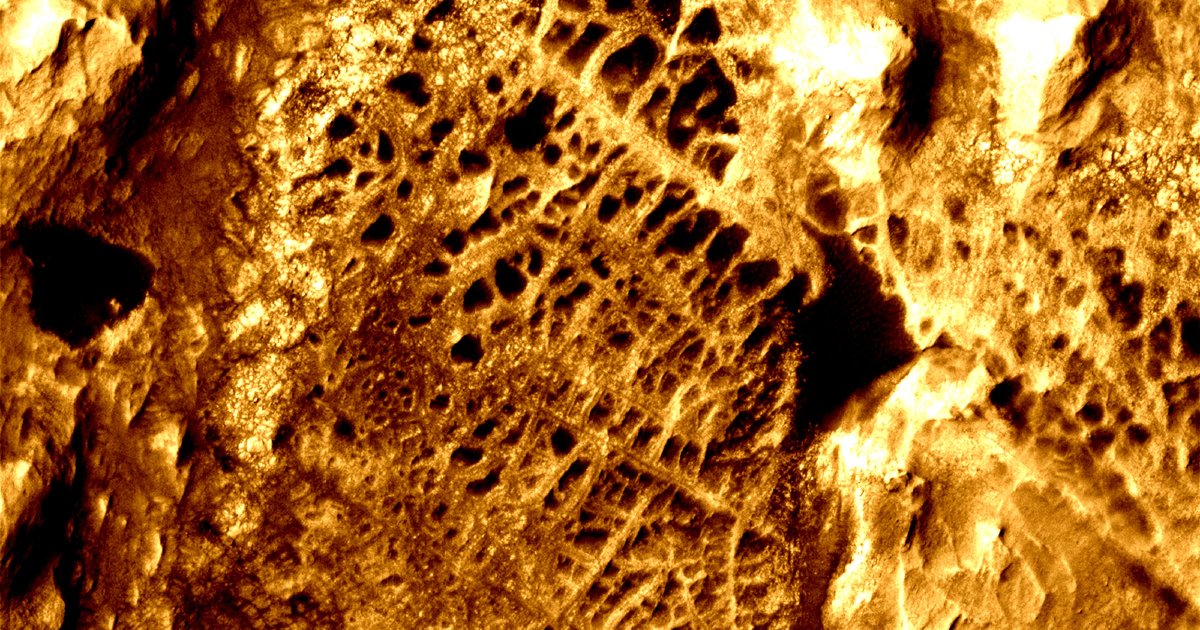
For the past six months, NASA’s Mars Curiosity rover has been meticulously investigating a peculiar geological formation characterized by ridges up to six feet in height, a feature that from orbital perspectives takes on an eerie resemblance to vast spiderwebs stretching across the Martian terrain at the foothills of the colossal Mount Sharp. These intricate geological structures, termed “boxwork” formations by scientists, are hypothesized to be the fossilized remnants of an ancient hydrological system, left behind as vast lakes and rivers that once permeated Mars billions of years ago gradually evaporated and dried up. This makes the region an incredibly compelling target in the ongoing search for evidence of ancient microbial life on the Red Planet, as such environments on Earth are known to preserve biosignatures. The scientific community posits that these boxwork formations arise from processes analogous to those seen on Earth, where groundwater circulates through a subterranean network of rock fractures. Over vast geological timescales, these cracks become lined and filled with minerals precipitated from the water. As the softer surrounding rock erodes away due to wind and other Martian weathering processes, these more resilient mineralized veins are left exposed, creating the striking ridge-like patterns observed by Curiosity. The intricate network of these exposed mineral veins, some rising prominently from the Martian surface, forms a veritable three-dimensional puzzle for geologists and astrobiologists alike. The Mars Science Laboratory (MSL) mission, embodied by the Curiosity rover, was launched with the primary objective of assessing Mars’ past and present habitability, a goal that these boxwork structures are proving instrumental in advancing. The mission has already confirmed that Gale Crater, Curiosity’s landing site, once harbored a persistent lake system that could have supported microbial life, and these new discoveries continue to build upon that foundational understanding. The boxwork structures were initially observed with a haunting beauty from space by the Mars Reconnaissance Orbiter (MRO)’s High-Resolution Imaging Science Experiment (HiRISE) camera as early as 2006. The MRO, a critical asset in NASA’s Mars fleet, has been orbiting Mars since 2006, providing invaluable data through its suite of instruments. HiRISE, a powerful telescope capable of resolving features as small as 30 centimeters (about one foot) on the Martian surface, has offered unprecedented views of the Red Planet’s geology, helping mission planners identify areas of interest for ground-based rovers. The “spiderweb-like” pattern captured by HiRISE provided the initial tantalizing glimpse of this complex terrain, prompting Curiosity’s eventual journey to investigate it up close. Now, with Curiosity on the ground, the challenge shifts from remote sensing to direct exploration. The rover team is actively engaged in the complex task of identifying optimal pathways for their SUV-sized vehicle to traverse these narrow, often elevated ridges. The unique topography presents both opportunities and obstacles. “It almost feels like a highway we can drive on,” remarked NASA operations systems engineer Ashley Stroupe in a recent Jet Propulsion Lab (JPL) statement, highlighting the potential for efficient movement along the crests of the boxwork. “But then we have to go down into the hollows, where you need to be mindful of Curiosity’s wheels slipping or having trouble turning in the sand.” Navigating such varied terrain requires sophisticated planning and often innovative solutions. Curiosity is equipped with autonomous navigation capabilities, allowing it to make some driving decisions on its own, but critical paths and scientific targets are meticulously planned by the engineering and science teams on Earth. “There’s always a solution,” Stroupe added, emphasizing the team’s dedication. “It just takes trying different paths.” The rover’s advanced wheel design and robust navigation systems are crucial for overcoming these challenges, ensuring that it can reach key scientific targets safely and effectively. One of the most significant scientific puzzles that these boxwork formations present is their elevation. Their presence this far up Mount Sharp, a gigantic three-mile-high mountain that dominates Gale Crater, suggests a groundwater table that was once significantly higher than previously understood. This implication is profound for the narrative of Mars’ ancient climate and its potential to harbor life. “Seeing boxwork this far up the mountain suggests the groundwater table had to be pretty high,” explained Rice University researcher and mission scientist Tina Seeger in the statement. “And that means the water needed for sustaining life could have lasted much longer than we thought looking from orbit.” This discovery reconfigures our understanding of the duration and extent of liquid water on early Mars, suggesting a more protracted period of potentially habitable conditions. A higher groundwater table implies a more robust and widespread hydrological system, which could have provided stable, subsurface environments less susceptible to the harsh surface radiation and temperature fluctuations of early Mars. These subterranean realms, buffered from the surface environment, would have offered a more consistent and protected habitat for potential microbial ecosystems. The tantalizing possibility, therefore, is that evidence of ancient microbial life may be preserved within the boxwork structures themselves. These mineralized veins, formed from groundwater precipitation, are ideal candidates for preserving organic molecules and biosignatures over billions of years. “These ridges will include minerals that crystallized underground, where it would have been warmer, with salty liquid water flowing through,” stated Rice University planetary scientist and Curiosity team member Kirsten Siebach in a 2024 statement. “Early Earth microbes could have survived in a similar environment. That makes this an exciting place to explore.” On Earth, similar subsurface environments, such as hydrothermal vents and deep rock fractures, are teeming with extremophile microorganisms, demonstrating the viability of such habitats. Curiosity’s sophisticated suite of instruments is crucial for investigating these potential biosignatures. The rover’s robotic arm carries a powerful drill, which it uses to grind samples from the interior of rocks, shielding them from surface contamination and degradation. The resulting powder is then delivered to onboard analytical instruments. The Alpha Particle X-ray Spectrometer (APXS) determines the elemental composition of the rock, while the Chemistry and Mineralogy (CheMin) X-ray Diffraction instrument identifies the specific minerals present (confirming the traces of clay minerals in the boxwork ridges). The Sample Analysis at Mars (SAM) instrument, which includes an onboard oven, heats rock and soil samples to release volatile compounds, including organic molecules and gases, providing critical insights into the chemical and isotopic composition of the Martian material. By meticulously analyzing the mineralogy and chemistry of the boxwork, scientists can reconstruct the environmental conditions under which these structures formed, including the temperature, pH, and salinity of the ancient groundwater. The discovery of clay minerals within the boxwork ridges is particularly significant. Clay minerals typically form in the presence of water and are known for their ability to adsorb and preserve organic molecules, making them prime targets in the search for ancient life. Their presence further reinforces the hypothesis of a sustained aqueous environment. After many months of painstaking exploration and groundbreaking discoveries in this unique geological region, Curiosity is expected to depart next month. While a bittersweet moment for the team, its passage up the foothills of Mount Sharp is far from over. The robot’s journey continues into the sulfate-rich layer of the towering mountain, a region believed to hold further clues about Mars’ dramatic climatic transformation over billions of years. This ongoing ascent will allow scientists to study successive layers of Martian history, each potentially revealing different environmental conditions and clues about how the planet transitioned from a potentially habitable world to the arid, cold desert it is today. The ultimate goal remains to understand the intricate history of water on Mars and, critically, whether it once harbored life, a question that the “spiderweb” boxwork formations are bringing us closer than ever to answering. The data gathered from these enigmatic structures will contribute to a broader understanding of planetary habitability, informing future missions and the collective human quest to find life beyond Earth.
More on Curiosity: NASA Running Out of Non-Life Explanations for What Its Rover Found on Mars