Faris Adani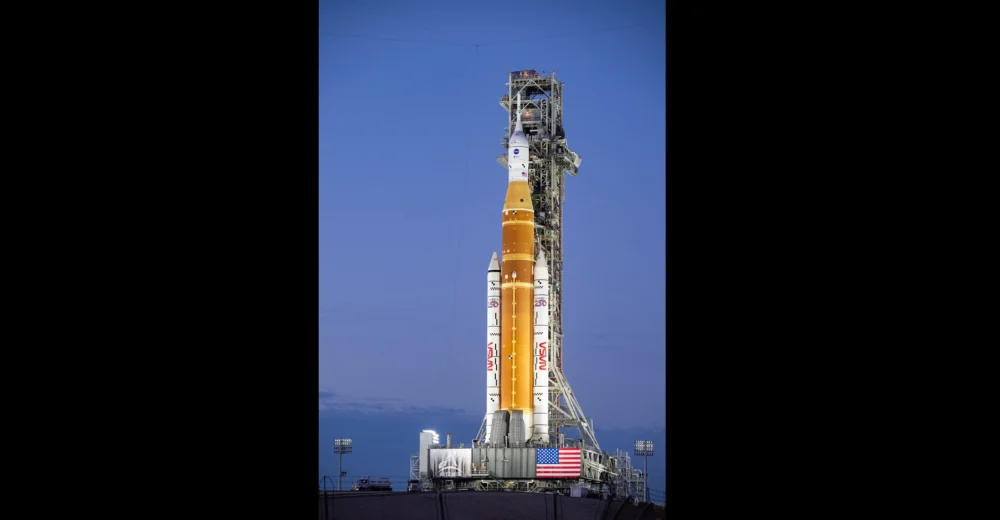
NASA Moves Giant Artemis II Rocket to Launchpad to Blast Astronauts to Moon
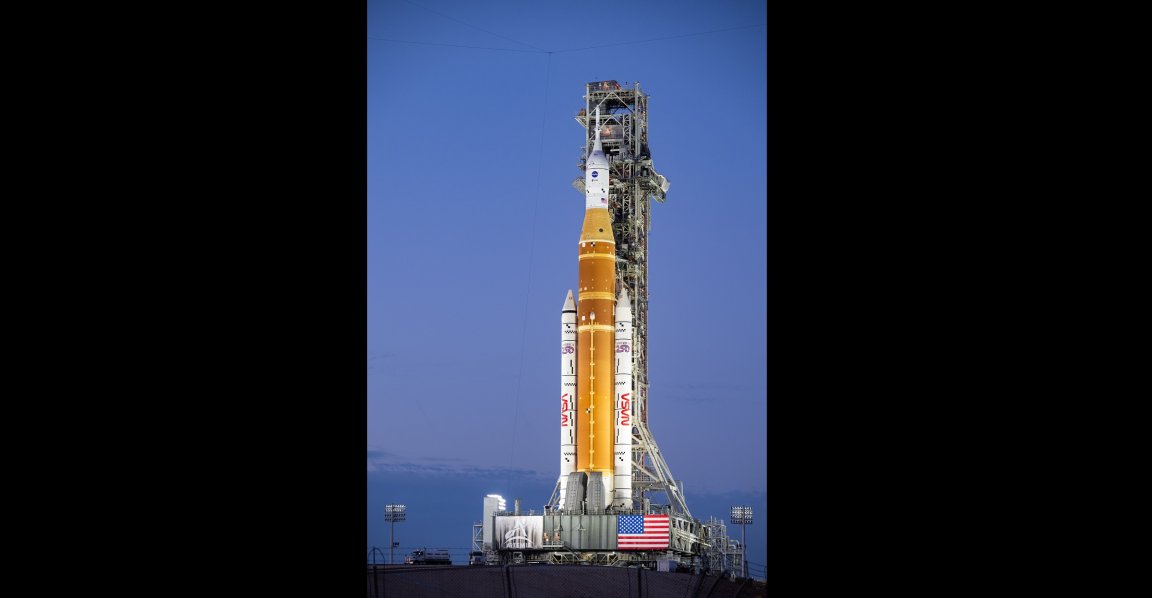
On Saturday, January 17, 2026, the monumental Space Launch System (SLS) rocket, crowned with the cutting-edge Orion spacecraft, embarked on a crucial four-mile journey from its towering Vehicle Assembly Building to Launch Complex 39B at Florida’s Kennedy Space Center, painstakingly transported by the colossal crawler-transporter at a deliberate pace of approximately one mile per hour, a meticulous trek that spanned into nightfall and symbolized the tangible progression of the long-awaited Artemis II lunar mission, a testament to years of dedicated engineering and preparation, as NASA’s new administrator, Jared Isaacman, underscored to reporters at the scene, declaring, “This is the start of a very long journey,” reflecting the agency’s profound commitment to returning humanity to the Moon. This upcoming ten-day Artemis II mission is poised to carry a crew of four astronauts, commander Reid Wiseman, Victor Glover, Christina Koch, and Canadian Space Agency astronaut Jeremy Hansen, on a historic flight around the Moon, marking the first human voyage to lunar orbit in over half a century since Apollo 17 in 1972, with Glover becoming the first Black man, Koch the first woman, and Hansen the first non-American to make such a journey, though they will not yet land on the lunar surface, an objective reserved for the subsequent Artemis III mission; instead, a primary goal of Artemis II is to rigorously test the Orion spacecraft’s critical life support systems and other vital functionalities in the deep space environment, ensuring its readiness for future landings. Before NASA can even contemplate a definitive launch date, an extensive series of pre-flight checks and rehearsals must be meticulously completed, most notably a comprehensive “wet dress rehearsal,” during which engineers will painstakingly load the SLS’s enormous propellant tanks with over 700,000 gallons of super-chilled liquid hydrogen and liquid oxygen, the volatile propellants that will feed the powerful RS-25 engines, and subsequently run through a full, simulated launch countdown, halting just shy of ignition, before draining all propellants to assess the spacecraft’s intricate performance, a critical exercise informed by the previous Artemis I uncrewed mission, which experienced significant delays due to a persistent leaky propellant seal. With this extensive testing phase underway, the earliest potential launch window for Artemis II is currently projected between February 6 and February 11, with a subsequent opportunity opening in March should the initial window be missed, highlighting the precise orbital mechanics and logistical complexities inherent in lunar missions. Despite the palpable excitement surrounding Artemis II’s impending launch, underlying questions persist regarding the future of Artemis III, the mission slated to achieve humanity’s actual return to the lunar surface, as significant doubts loom over the timely readiness of SpaceX’s Starship, the innovative and ambitious spacecraft chosen to serve as the Human Landing System (HLS) for the historic touchdown, whose development continues to face formidable engineering and testing challenges, casting a shadow of uncertainty over the ambitious timelines of NASA’s broader lunar exploration initiative.