anjir abdul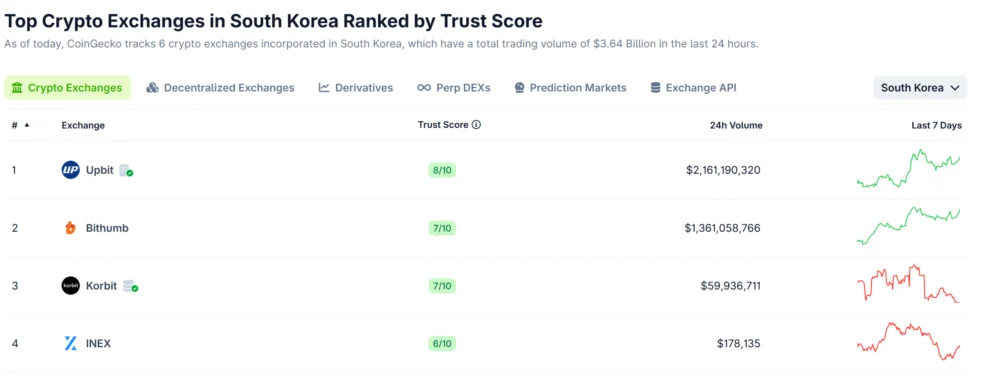
The acquisition, detailed in a recent regulatory filing on Friday, outlines Mirae Asset Consulting’s plan to purchase a staggering 26.9 million shares of Korbit for a total sum of 133.48 billion Korean won, which translates to approximately $93 million USD. This substantial transaction is set to grant Mirae Asset an overwhelming 92.06% ownership interest in the exchange, effectively making Korbit a subsidiary and a key pillar in Mirae Asset’s strategic expansion into digital assets. The entire payment for this landmark deal will be made in cash, underscoring Mirae Asset’s financial conviction and immediate commitment to the venture.
According to the filing, Mirae Asset articulated the core purpose of this acquisition as an endeavor “to secure future growth drivers through digital-asset (virtual-asset) businesses.” This statement resonates with a broader global trend where established financial institutions are increasingly recognizing the transformative potential of blockchain technology and cryptocurrencies, seeking to integrate these innovations into their long-term growth strategies. The decision received the full approval of Mirae Asset Consulting’s board of directors on February 5, following earlier reports last year that hinted at the potential deal, which was then estimated to be around a $100 million valuation.
While the agreement has been reached, the transaction has not yet formally closed. The final settlement is contingent upon the satisfaction of various contractual closing conditions, a standard procedure in such large-scale corporate acquisitions. Once these requirements are met, the completion of the deal is anticipated to occur swiftly, within seven business days. This methodical approach ensures all regulatory and legal prerequisites are thoroughly addressed, solidifying the foundation for Mirae Asset’s new venture.
This acquisition is particularly noteworthy given Korbit’s recent financial turnaround. After experiencing losses in previous fiscal years, the exchange reported a robust 8.7 billion won in revenue and an impressive 9.8 billion won in net profit in its most recent fiscal year. This return to profitability likely played a crucial role in making Korbit an attractive target, demonstrating its operational resilience and potential for future growth under new ownership. Korbit was originally founded in 2013 by Tony Lyu, one of Korea’s early crypto pioneers, and has maintained a consistent presence in the market despite intense competition.
Before this deal, Korbit’s ownership structure was primarily dominated by NXC, the holding company of South Korean gaming giant Nexon, and its subsidiary Simple Capital Futures, which together held approximately 60.5% of the exchange. Additionally, SK Square, an investment arm of the prominent South Korean conglomerate SK Group, owned a significant 31.5% stake. The sale of these controlling interests to Mirae Asset marks a significant shift in Korbit’s corporate trajectory and ownership landscape.
One of Korbit’s most appealing attributes for a major financial group like Mirae Asset is its comprehensive operating license and well-established compliance infrastructure. In South Korea, the regulatory environment for cryptocurrency exchanges is notoriously stringent, demanding robust anti-money laundering (AML) and know-your-customer (KYC) protocols, as well as real-name account verification through partnerships with domestic banks. Korbit’s successful navigation of these complex regulatory hurdles makes it a highly attractive entry point for Mirae Asset, providing a ready-made, regulated platform to engage with digital assets without having to build a compliance framework from scratch. This regulatory advantage offers a secure and legitimate pathway for Mirae Asset to explore digital asset opportunities, from offering crypto trading services to potentially developing new blockchain-based financial products.

The acquisition also takes place amid a broader trend of consolidation and strategic repositioning within the South Korean crypto market. As Cointelegraph previously reported, another local exchange, Coinone, is also reportedly exploring a potential sale, with its chairman, Cha Myung-hoon, looking to divest his 53.4% controlling stake. These movements suggest a maturing market where smaller or less dominant players are either being absorbed by larger entities or seeking strategic exits, reflecting the increasing capital requirements and competitive pressures of the industry. The stringent regulatory landscape, while ensuring market integrity, also creates barriers to entry and operational costs that might favor larger, better-capitalized players.
Despite its regulatory compliance and recent profitability, Korbit remains a relatively modest player in the intensely competitive South Korean crypto trading market. According to CoinGecko data, which tracks combined 24-hour trading volume across Korea-based platforms at roughly $3.64 billion, Korbit recorded only about $59.9 million in daily activity. This figure pales in comparison to the market behemoths, Upbit and Bithumb, which dominate the landscape. Upbit, operated by Dunamu, accounted for the vast majority of trading with approximately $2.16 billion in 24-hour volume, while Bithumb followed with around $1.36 billion. Other smaller venues, such as INEX, trailed significantly, reporting volumes in the hundreds of thousands of dollars.
This market dynamic presents both a challenge and an opportunity for Mirae Asset. While Korbit’s current market share is small, Mirae Asset’s immense financial backing, brand recognition, and extensive client base could potentially fuel a significant expansion. The strategic vision of "securing future growth drivers through digital-asset businesses" implies a much broader ambition than merely operating a retail crypto exchange. Mirae Asset could leverage Korbit’s infrastructure to:
- Introduce new digital asset products: This could include tokenized securities, real estate tokens, or even digital bonds, leveraging Mirae Asset’s expertise in traditional asset management and investment banking.
- Develop institutional crypto services: Offering tailored solutions for institutional investors seeking exposure to cryptocurrencies, potentially including custody services, prime brokerage, or OTC desks.
- Explore decentralized finance (DeFi) integration: Integrating DeFi protocols or offering access to decentralized applications, bridging the gap between traditional finance and the rapidly evolving DeFi ecosystem.
- Launch innovative payment solutions: Utilizing blockchain technology for faster, cheaper, and more efficient cross-border payments or domestic settlement systems.
- Expand into NFTs and the Metaverse: Exploring opportunities in non-fungible tokens, digital collectibles, and the metaverse economy, which are gaining traction globally.
- Offer crypto-linked investment products: Creating ETFs, mutual funds, or other structured products that provide indirect exposure to cryptocurrencies for a broader range of investors, subject to regulatory approval.
Mirae Asset Group is a global financial services powerhouse with a significant presence across asset management, brokerage, insurance, and wealth management sectors. Its strategic move into digital assets via Korbit is a clear indication of its long-term vision to adapt to the evolving financial landscape and cater to a new generation of investors. The group has historically shown an appetite for innovation and global expansion, making this acquisition a logical step in its trajectory. This acquisition is not just about trading cryptocurrencies; it’s about positioning Mirae Asset at the forefront of the next wave of financial innovation.
However, challenges remain. Competing with established giants like Upbit and Bithumb, which benefit from network effects and deep market liquidity, will be an uphill battle. Mirae Asset will need to invest heavily in technology, marketing, and potentially innovative product offerings to differentiate Korbit and attract a larger user base. Furthermore, the regulatory environment for digital assets in South Korea, while clear in some aspects, is still evolving, posing potential uncertainties for future business models. The global crypto market is also subject to volatility and macroeconomic factors, which Mirae Asset will need to navigate carefully.
Ultimately, Mirae Asset’s acquisition of Korbit represents a bold and strategic move by a major traditional financial player to embrace the digital asset revolution. It highlights the growing convergence of traditional finance and the crypto industry, particularly in highly regulated markets like South Korea. This deal could serve as a blueprint for other financial institutions seeking to enter the space, emphasizing the value of regulatory compliance and a clear strategic vision in navigating the complex world of digital assets. With Mirae Asset’s backing, Korbit is poised for a significant transformation, potentially redefining its role and market position within South Korea’s vibrant, albeit competitive, cryptocurrency ecosystem.