Pradipta eManuel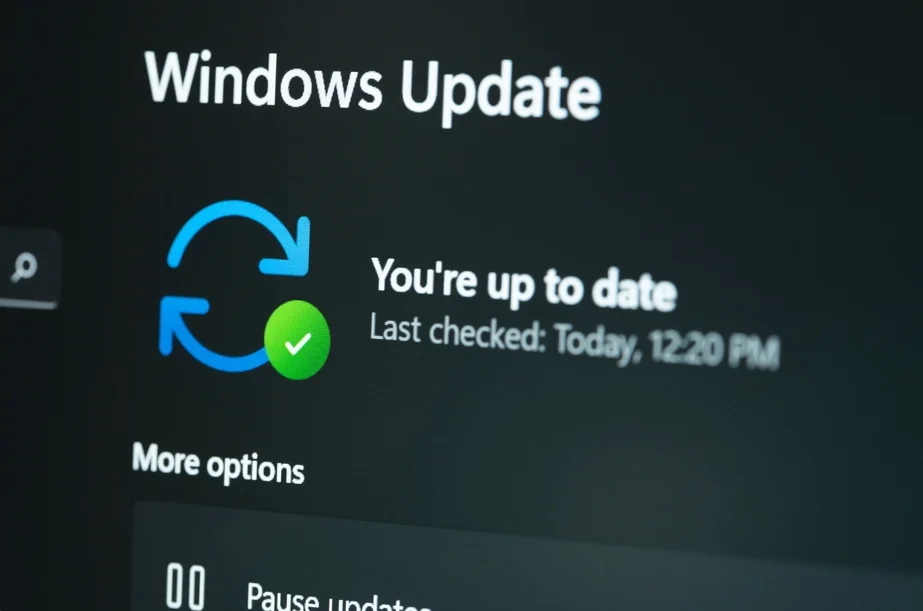
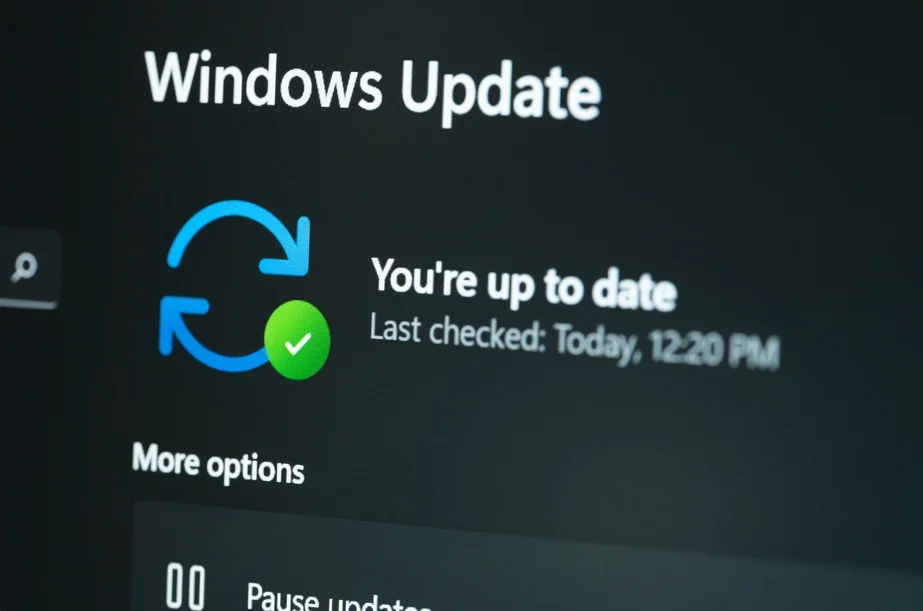
Microsoft today unveiled its December 2025 Patch Tuesday, a comprehensive security update aimed at rectifying at least 56 vulnerabilities across its Windows operating systems and associated software. This final patch release of the year is particularly significant as it addresses one actively exploited zero-day vulnerability, alongside two other publicly disclosed security weaknesses. This year, 2025, has seen Microsoft patch a remarkable 1,129 vulnerabilities, marking an 11.9% increase from the previous year and representing the second consecutive year and third instance overall that the tech giant has surpassed the milestone of patching over a thousand vulnerabilities. This trend underscores a growing landscape of cyber threats and Microsoft’s ongoing commitment to bolstering its product security.
The most critical vulnerability addressed in this month’s release is the zero-day flaw, identified as CVE-2025-62221. This privilege escalation vulnerability impacts Windows 10 and subsequent versions. The weakness is rooted in the "Windows Cloud Files Mini Filter Driver," a crucial system driver that facilitates cloud applications’ interaction with file system functionalities. As highlighted by Adam Barnett, lead software engineer at Rapid7, the implications of this vulnerability are far-reaching. He noted, "This is particularly concerning, as the mini filter is integral to services like OneDrive, Google Drive, and iCloud, and remains a core Windows component, even if none of those apps were installed." This means that even systems not actively using cloud storage services could be susceptible to exploitation through this driver.
While the zero-day is a major concern, only three of the vulnerabilities patched today were classified with Microsoft’s highest severity rating of "critical." Two of these critical flaws, CVE-2025-62554 and CVE-2025-62557, are associated with Microsoft Office. Worryingly, both of these vulnerabilities can be exploited simply by viewing a malicious email message within the email client’s Preview Pane, a common and often passive user action. The third critical vulnerability, CVE-2025-62562, affects Microsoft Outlook. While Microsoft has confirmed that the Preview Pane is not an attack vector for this particular flaw, its critical rating still signifies a significant risk that warrants immediate attention.
Beyond the critical vulnerabilities, Microsoft has identified a set of other privilege escalation bugs that are deemed more likely to be exploited in the wild, despite not carrying the "critical" label. These include CVE-2025-62458 (Win32k), CVE-2025-62470 (Windows Common Log File System Driver), CVE-2025-62472 (Windows Remote Access Connection Manager), and two instances related to the Windows Storage VSP Driver, CVE-2025-59516 and CVE-2025-59517. Kev Breen, senior director of threat research at Immersive, emphasized the pervasive nature of privilege escalation flaws, stating, "Privilege escalation flaws are observed in almost every incident involving host compromises." Breen further elaborated on the rationale behind Microsoft’s assessment, suggesting, "We don’t know why Microsoft has marked these specifically as more likely, but the majority of these components have historically been exploited in the wild or have enough technical detail on previous CVEs that it would be easier for threat actors to weaponize these." He strongly advises that these vulnerabilities, even if not currently under active exploitation, should be patched "sooner rather than later."
One of the more novel and intriguing vulnerabilities addressed this month is CVE-2025-64671. This remote code execution flaw affects the Github Copilot Plugin for Jetbrains, an AI-powered coding assistant widely used by Microsoft and GitHub developers. Breen explained the potential impact of this vulnerability: "This flaw would allow attackers to execute arbitrary code by tricking the large language model (LLM) into running commands that bypass the user’s ‘auto-approve’ settings." This highlights a growing concern within the cybersecurity community regarding the security of AI-powered development tools.
CVE-2025-64671 is part of a larger, more systemic security challenge that security researcher Ari Marzuk has termed "IDEsaster." This umbrella term encompasses over 30 distinct vulnerabilities identified across nearly a dozen prominent AI coding platforms, including Cursor, Windsurf, Gemini CLI, and Claude Code. The increasing reliance on AI in software development necessitates a robust and evolving security posture for these tools.
The remaining publicly disclosed vulnerability patched today is CVE-2025-54100. This is a remote code execution bug impacting Windows PowerShell on Windows Server 2008 and later versions. It poses a significant risk as it allows an unauthenticated attacker to execute code within the security context of the logged-in user, potentially leading to unauthorized access and control.
For those seeking a more in-depth technical analysis of the security updates released by Microsoft this December, the SANS Internet Storm Center provides a comprehensive roundup. As is customary with all Patch Tuesday releases, users are encouraged to report any issues encountered during the patching process in the comments section of relevant security advisories. The proactive application of these updates is paramount to maintaining a secure computing environment against the ever-evolving threat landscape. The sheer volume of vulnerabilities addressed, coupled with the presence of an actively exploited zero-day, underscores the critical importance of timely patching for all Windows users and organizations. The inclusion of vulnerabilities in AI development tools also signals a new frontier in cybersecurity, demanding increased vigilance and specialized security measures.