Pradipta eManuel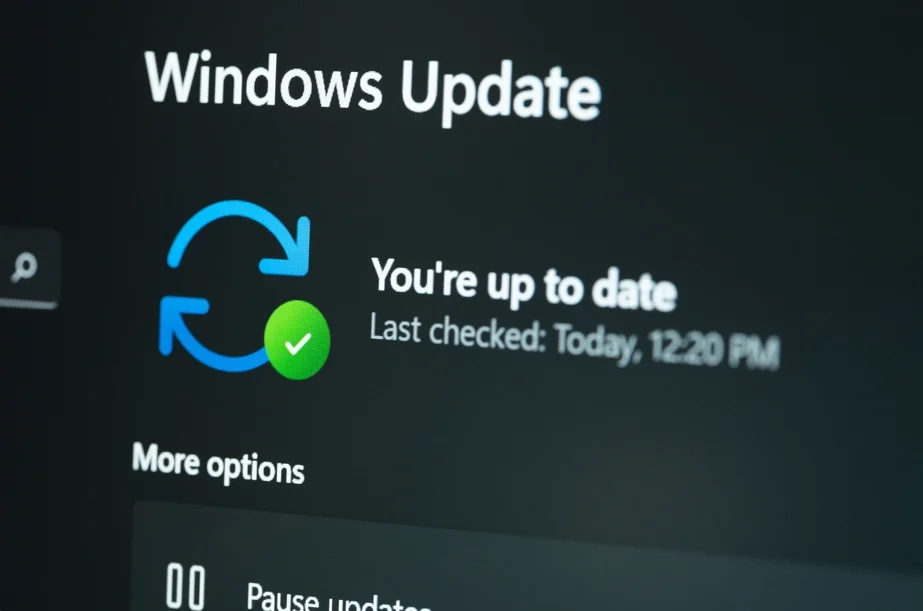
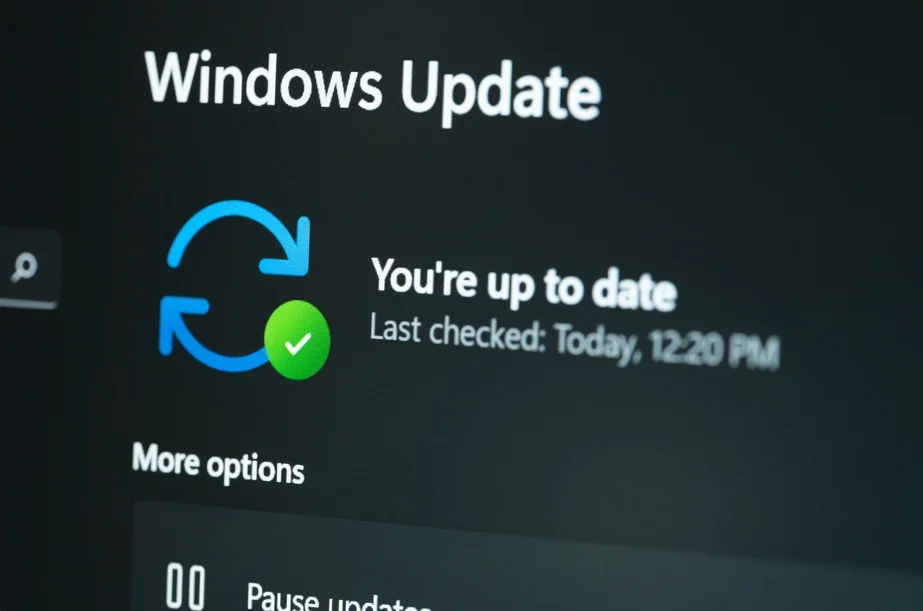
Microsoft today pushed updates to fix at least 56 security flaws in its Windows operating systems and supported software, concluding 2025 with a significant security overhaul that addresses one actively exploited zero-day vulnerability and two publicly disclosed weaknesses. This final Patch Tuesday of the year underscores a trend of increasing vulnerability patching by Microsoft, with a total of 1,129 vulnerabilities addressed throughout 2025, marking an 11.9% rise from the previous year. This milestone signifies the second consecutive year and the third time in its history that Microsoft has patched over a thousand vulnerabilities, a testament to the evolving threat landscape and the company’s commitment to bolstering its product security.
The most pressing issue addressed in this December update is the zero-day flaw, cataloged as CVE-2025-62221. This critical privilege escalation vulnerability affects Windows 10 and all subsequent editions. The exploit lies within the "Windows Cloud Files Mini Filter Driver," a fundamental system component that facilitates cloud applications’ interaction with file system functionalities. Adam Barnett, lead software engineer at Rapid7, highlighted the broad implications of this vulnerability, stating, "This is particularly concerning, as the mini filter is integral to services like OneDrive, Google Drive, and iCloud, and remains a core Windows component, even if none of those apps were installed." The ability for an attacker to escalate privileges on a compromised system can pave the way for deeper infiltration and more severe damage, making this patch a high priority for all Windows users.
While the zero-day is the headline, Microsoft’s update also includes three vulnerabilities rated as "critical." CVE-2025-62554 and CVE-2025-62557 both impact Microsoft Office and possess the alarming capability of being exploited simply by previewing a maliciously crafted email. This "preview pane" vulnerability is a classic attack vector that requires minimal user interaction, making it a potent tool for initial compromise. The third critical vulnerability, CVE-2025-62562, affects Microsoft Outlook. While Microsoft has clarified that the preview pane is not an attack vector for this specific flaw, its critical rating still demands immediate attention.
Beyond the critical vulnerabilities, Microsoft has identified a set of privilege escalation bugs that it deems most likely to be exploited in the wild. These include:
- CVE-2025-62458 (Win32k)
- CVE-2025-62470 (Windows Common Log File System Driver)
- CVE-2025-62472 (Windows Remote Access Connection Manager)
- CVE-2025-59516 (Windows Storage VSP Driver)
- CVE-2025-59517 (Windows Storage VSP Driver)
Kev Breen, senior director of threat research at Immersive, commented on the significance of privilege escalation flaws: "Privilege escalation flaws are observed in almost every incident involving host compromises." He further elaborated on Microsoft’s assessment, noting, "We don’t know why Microsoft has marked these specifically as more likely, but the majority of these components have historically been exploited in the wild or have enough technical detail on previous CVEs that it would be easier for threat actors to weaponize these. Either way, while not actively being exploited, these should be patched sooner rather than later." The inherent nature of privilege escalation vulnerabilities means that once an initial foothold is established, these flaws allow attackers to gain higher levels of access and control over the affected system, making them a critical concern for system administrators.
This month’s Patch Tuesday also brings attention to a particularly interesting vulnerability, CVE-2025-64671, which affects the GitHub Copilot Plugin for Jetbrains. This remote code execution flaw targets the AI-based coding assistant, utilized by both Microsoft and GitHub. According to Breen, an attacker could exploit this by manipulating the large language model (LLM) to execute commands that circumvent user-defined "auto-approve" settings, effectively allowing arbitrary code execution. This vulnerability is part of a larger security issue that security researcher Ari Marzuk has dubbed "IDEsaster." This overarching crisis encompasses over 30 distinct vulnerabilities identified across nearly a dozen leading AI coding platforms, including Cursor, Windsurf, Gemini CLI, and Claude Code, highlighting a growing concern for the security of AI-assisted development tools.
The final publicly disclosed vulnerability addressed in this update is CVE-2025-54100, a remote code execution bug impacting Windows PowerShell on Windows Server 2008 and later. This flaw allows an unauthenticated attacker to execute code within the security context of the user, presenting a significant risk for environments running these older server versions.
The sheer volume and variety of vulnerabilities patched in December 2025, from critical Office exploits to privilege escalation bugs and even issues within cutting-edge AI coding tools, emphasize the dynamic and persistent nature of cybersecurity threats. Microsoft’s proactive patching cycle, particularly with the final update of the year, serves as a crucial reminder for organizations and individuals to maintain vigilant security practices.
For those seeking a more detailed technical analysis of these updates, the SANS Internet Storm Center provides a comprehensive roundup. As always, users are advised to apply these patches promptly to mitigate potential risks and ensure the security of their Windows environments. Any reported issues encountered during the patching process should be noted and communicated to aid the broader security community. The ongoing efforts by Microsoft and security researchers alike are vital in staying ahead of evolving cyber threats, and timely application of these security updates is the first line of defense. The trend of increasing vulnerability disclosures and patching by major software vendors like Microsoft indicates a maturing cybersecurity ecosystem, where transparency and rapid response are becoming increasingly paramount. Organizations that consistently lag in applying security updates are leaving themselves open to known exploits, which can have devastating consequences ranging from data breaches to complete system compromise. The December 2025 Patch Tuesday serves as a strong impetus for a thorough review of patch management strategies across all levels of IT infrastructure.