isnaini azizah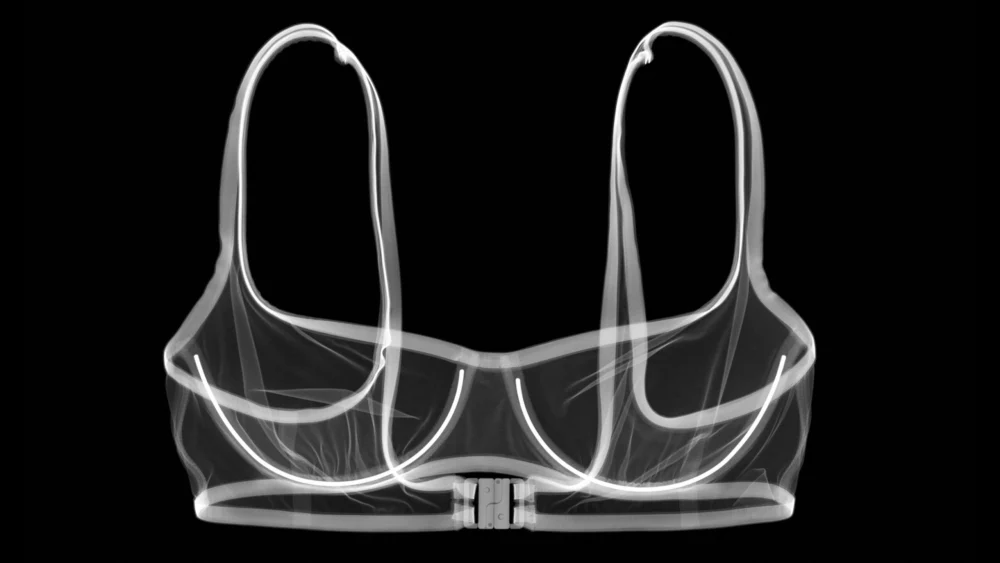
In a groundbreaking convergence of anatomy, physics, and athletic performance, Professor Joanna Wakefield-Scurr of the UK stands at the forefront of a scientific revolution, meticulously dissecting the complex biomechanics of the female breast to engineer superior athletic bras. Her pioneering work, born from a personal quest for relief from persistent breast pain two decades ago, has blossomed into a comprehensive research initiative at the University of Portsmouth, where she leads an 18-person team dedicated to unraveling the "many mysteries of boobs." This interdisciplinary endeavor is not merely about designing better lingerie; it is about empowering women, enhancing their athletic pursuits, and addressing a significant, often overlooked, barrier to physical activity.
Wakefield-Scurr’s journey began with a simple yet profound problem: a lack of scientific understanding surrounding breast support. Her doctor’s recommendation of a well-fitting bra, a seemingly straightforward solution, led her down a path of scientific exploration that has spanned twenty years and continues to yield astonishing insights. The fruits of this labor are evident in the research conducted by her team at the Research Group in Breast Health. Their findings indicate that the most effective high-impact sports bras incorporate a sophisticated blend of design elements: underwires for structural integrity, padded cups for comfort and containment, adjustable underbands and shoulder straps for a personalized fit, and secure hook-and-eye closures for reliable support. These meticulously engineered garments have been shown to reduce breast movement by an impressive 74% when compared to wearing no bra at all, a critical factor in mitigating discomfort and potential injury during strenuous activities.
The scientific landscape of breast biomechanics was, and to a significant extent remains, a largely uncharted territory. Unlike many anatomical structures that are supported by robust frameworks of cartilage, muscle, or bone, breasts are unique in their suspended, unsupported nature. This biological characteristic meant that historical research providing a solid foundation for Wakefield-Scurr’s work was scarce. Her lab, therefore, had to carve its own path, making foundational discoveries that have reshaped our understanding. One of their most significant breakthroughs was identifying that breast movement during running is not a simple up-and-down motion. Instead, their research revealed a complex, three-dimensional pattern, involving not only vertical displacement but also lateral (side-to-side) and forward-and-backward oscillations. This realization was further quantified by the astonishing statistic that during just one hour of slow jogging, breasts can bounce approximately 10,000 times. This sheer volume of movement underscores the immense physical forces at play and the critical need for adequate support.
The implications of this research extend far beyond the realm of athletic performance; they touch upon fundamental aspects of women’s health and well-being. A poorly fitting bra can have detrimental effects. One that is excessively tight can restrict breathing, hindering oxygen intake and potentially impacting endurance and overall physical function. Conversely, a bra that is too loose fails to provide the necessary support, leading to a cascade of discomfort, including back pain, shoulder strain, and neck discomfort. This pain is exacerbated by the phenomenon known as "breast slap," a consequence of the lag between the torso’s movement and the breast’s inertia. This physical jarring can be not only uncomfortable but also contribute to long-term musculoskeletal issues.
Perhaps one of the most profound discoveries emerging from Wakefield-Scurr’s research is the identification of poorly fitting bras as a significant barrier to women’s participation in physical activity. The combined physical discomfort, coupled with the social embarrassment of excessive breast movement, can deter women from engaging in sports and exercise. This revelation highlights the critical role that proper athletic apparel plays in promoting an active lifestyle. The research indicates a clear correlation: when women are equipped with a well-designed sports bra, they exhibit a greater willingness to engage in activities like running, suggesting that addressing this apparel-related issue can have a tangible impact on public health and female empowerment.
Despite these significant advancements, the field of breast biomechanics and bra design still grapples with open questions. Current bra designs generally fall into two categories: those that employ compression to minimize breast movement, and those that utilize encapsulation to support each breast individually. However, scientists are still debating which approach is biomechanically superior. Is the primary goal to completely eliminate breast motion, to reduce the speed at which the breasts move, or to mitigate the impact of breast slap? The answer to these questions could dictate the future design principles of athletic bras, potentially resolving the perennial dilemma women face: choosing between the comfort of a more flexible, less restrictive bra and the superior support offered by a more rigid design.
Wakefield-Scurr’s enthusiasm is palpable as she discusses the potential of new materials she has been testing. These innovative fabrics possess the remarkable ability to adapt their properties, tightening or stretching in response to the wearer’s movements. This dynamic adaptability promises a new era of personalized and responsive athletic support. She is actively collaborating with fabric manufacturers and clothing companies, integrating these cutting-edge materials into prototypes and rigorously testing their efficacy in real-world athletic scenarios.
As an increasing number of women embrace high-impact sports and physical activities, the demand for scientifically informed bra design continues to escalate. Wakefield-Scurr’s lab, a beacon of innovation in this specialized field, finds itself unable to keep pace with the overwhelming demand for their expertise. The phrase "our cups runneth over" takes on a literal and figurative meaning, signifying both the abundance of research being generated and the immense need for its application. The role of a "breast biomechanist" may sound novel today, but with the trajectory of scientific inquiry led by individuals like Joanna Wakefield-Scurr, it is poised to become an essential and highly valued profession in the future of athletic apparel and women’s health.
Sara Harrison is a freelance journalist with a keen interest in the intersection of science, technology, and health, bringing insightful reporting to complex subjects.