Faris Adani
In an increasingly fractured political landscape, where the lines between truth and fabrication are constantly blurred, a recent incident involving rock icon Jack White and Tennessee Congressman Tim Burchett has ignited a fierce debate, highlighting the perilous intersection of celebrity activism, political mudslinging, and the insidious rise of AI-generated misinformation. The controversy erupted in the wake of the tragic death of revered filmmaker and activist Rob Reiner in December 2025, an event that became an immediate flashpoint in America’s relentless culture wars.
Reiner, known for his impactful directorial work on films like "Stand by Me" and "When Harry Met Sally," as well as his outspoken political commentary, was a prominent voice on the left. His sudden passing sent shockwaves through Hollywood and beyond. However, instead of a moment of national mourning and reflection, his death was swiftly weaponized by political figures, most notably by then-President Donald Trump. Taking to social media, Trump launched into a vitriolic tirade, dismissing Reiner as a "tortured and struggling artist" and a "deranged person as far as Trump is concerned." These incendiary comments, widely reported by outlets like USA Today, were met with immediate and widespread condemnation from a diverse array of public figures. From the impassioned critiques of television host Whoopi Goldberg to the unexpected rebukes from conservative commentator Joe Rogan, and even a nuanced statement from Republican firebrand Marjorie Taylor Greene, the backlash underscored the deep societal divisions Reiner’s death — and Trump’s response — had exposed.
Among the prominent voices to speak out against Trump’s comments was Jack White, the enigmatic, Detroit-born musician who rose to fame as the frontman of The White Stripes. Known for his raw musical talent and equally unfiltered personality, White has a well-documented history of engaging in public feuds and expressing his political convictions with unreserved passion. His Instagram post, in which he lambasted Trump as a "disgusting, vile, egomaniac, loser, [and] child," was a characteristic display of his refusal to shy away from confrontation. White’s strong stance resonated with many, cementing his reputation as an artist unafraid to challenge authority and defend what he perceives as fundamental decency.
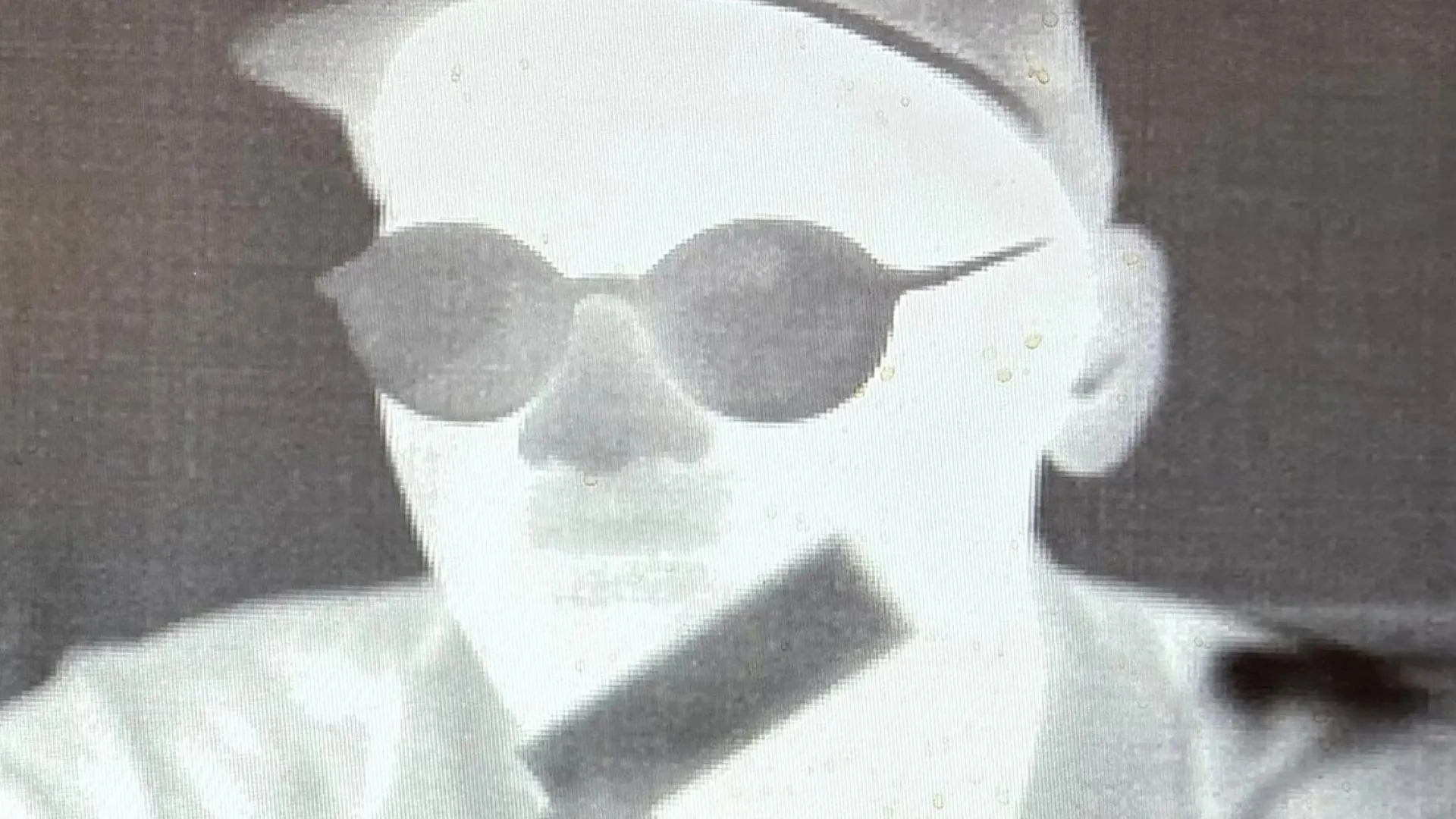
However, the rapid churn of the 24/7 news cycle and the ever-escalating "culture wars" meant that White’s initial criticism was merely the prelude to an even more alarming development. Approximately two weeks after White’s Instagram post, just as the immediate furor over Reiner’s death began to subside, Tennessee Congressman Tim Burchett thrust himself into the fray. Burchett, a Republican known for his conservative views and often provocative social media presence, chose a particularly insidious method to engage. He reposted a video on X (formerly Twitter) that purported to show Jack White making highly inflammatory statements, specifically calling potential fans who also supported Donald Trump "fascists." The video, however, was not authentic; it was a clear AI-generated deepfake, a sophisticated piece of digital manipulation designed to fabricate speech and actions.
Accompanying the deepfake, Burchett added a derisive comment: "that cute little girl from the Addams Family got really ugly and angry." This remark not only amplified the AI-generated falsehood but also resorted to personal insults, drawing a bizarre and childish comparison between White and Wednesday Addams. The congressman’s decision to share and endorse such a blatant piece of misinformation, coupled with his puerile taunt, immediately drew the ire of White and many others who recognized the dangerous implications of a public official promoting deepfakes.
Jack White’s response was swift, ferocious, and deeply personal. Taking once again to Instagram, the musician unleashed a scathing rebuke directed squarely at Congressman Burchett, labeling him one of Trump’s "lackeys and bootlicks." White’s outrage was palpable as he articulated the profound disappointment and incredulity he felt: "Can you believe that a US congressman, that’s right, a CONGRESSMAN (from my state no less), a once hallowed and respected position in our society, would repost an AI generated video, containing a false comment that I never said and refuted (without researching that I might add) and like a 10 year old on a playground, add to it attempted insults to my physical appearance?" White, who has long resided in Nashville, Tennessee, emphasized the additional layer of betrayal he felt, coming from a representative of his own state.
White’s statement went beyond mere personal defense; it evolved into a broader lament for the state of American political leadership and the erosion of civic discourse. "What kind of joke are we all living in now?" he questioned, his words dripping with a mix of despair and indignation. He continued, "It’s really sad how embarrassing our leadership has become, I so wish the average American conservative could have a conversation with any intelligent people in other countries around the world, just for one brief moment, and actually see just what a joke our government (and by proxy our country) has become. All down to giving power and a soapbox to low class playground bullies the likes of trump and Congressman burchett." White’s criticism highlighted a pervasive sentiment among many Americans who feel that political discourse has devolved into petty squabbles and deliberate misinformation, undermining the very foundations of democratic governance.
The gravity of Burchett’s actions was not lost on the broader public. When a user on X pointed out that the congressman had inadvertently (or perhaps intentionally) fallen for an AI deepfake, Burchett’s response was equally telling. Instead of acknowledging the error or expressing regret, he attempted to brush off the accusation with another dismissive, almost mocking comment: "you mean it’s not the girl from the Addams family?" This flippant reply further exacerbated concerns about the accountability of public officials in the age of digital deception. It suggested either a profound lack of understanding regarding the threat of AI deepfakes, a deliberate disregard for the truth, or a calculated attempt to deflect responsibility through sarcasm.
This incident serves as a stark reminder of the escalating dangers posed by AI-generated content in the political arena. Deepfakes, which can convincingly mimic a person’s voice, likeness, and mannerisms, represent a powerful tool for disinformation. When amplified by figures of authority like members of Congress, they can rapidly erode public trust, manipulate opinion, and deepen partisan divides. The ease with which a deepfake can be created and disseminated, coupled with the speed of social media, creates an environment ripe for misinformation to flourish, making it increasingly difficult for citizens to discern fact from fiction.
Jack White’s furious rebuttal, therefore, is more than just a celebrity reacting to a personal attack. It is a passionate cry against the weaponization of technology and the perceived moral decay of political leadership. It underscores the urgent need for greater media literacy, critical thinking, and accountability from those in power. As AI technology continues to advance, incidents like this are likely to become more common, challenging societies worldwide to confront the profound implications for democracy, truth, and the very fabric of public discourse. The clash between a rock icon defending his integrity and a congressman propagating a digital lie stands as a potent symbol of the ongoing battle for truth in the digital age.
More on celebrities: Grok Is Making Wildly Contradictory Claims About Rob Reiner’s Death