anjir abdul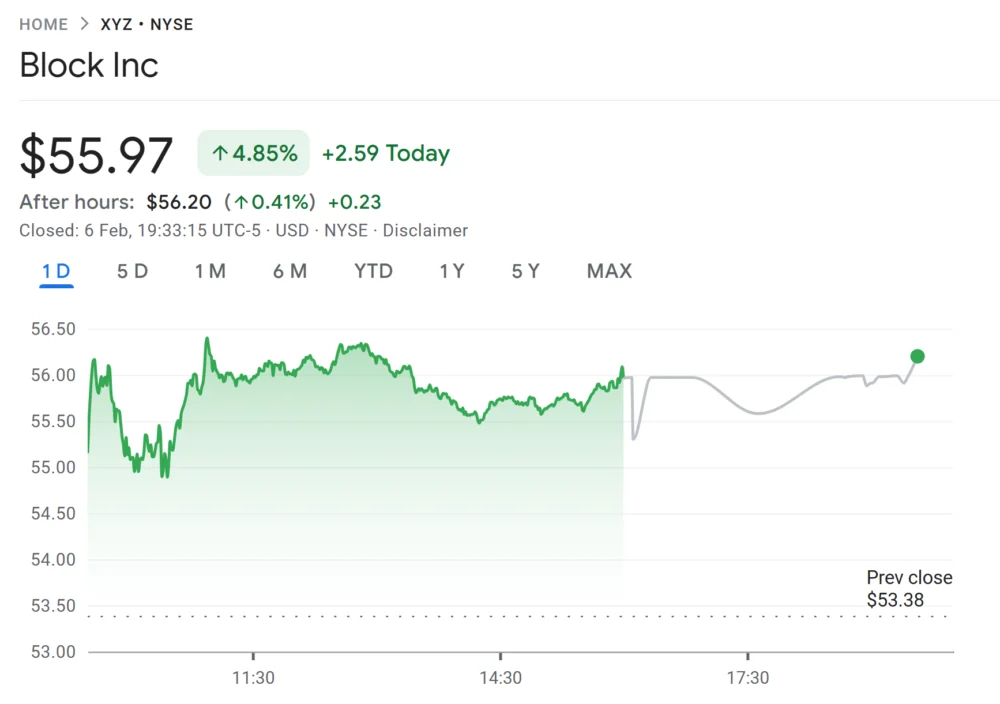
Jack Dorsey’s payments company Block Inc. is reportedly undergoing a significant restructuring effort, commencing the process of informing hundreds of employees that their positions could be eliminated during the ongoing annual performance reviews. This strategic move signals a broader drive for efficiency and operational realignment within the fintech giant. Sources familiar with the matter, as reported by Bloomberg on Sunday, suggest that the potential layoffs could impact as much as 10% of Block’s total workforce. With the company having employed just under 11,000 people as of late November, this translates to a reduction of approximately 1,100 roles, underscoring a substantial shift in the company’s operational strategy and resource allocation.
This wave of potential layoffs comes at a pivotal time for Block, formerly known as Square, as it navigates a dynamic and often challenging economic landscape while simultaneously striving to reshape its core operations. The restructuring, initially launched in 2024, is primarily aimed at enhancing overall efficiency and fostering a more cohesive alignment across its diverse product lines. A key objective of this reorganization is to more closely integrate its highly successful peer-to-peer payments platform, Cash App, with its long-standing merchant services arm, Square. This integration strategy is designed to create a more unified ecosystem, enabling better cross-selling opportunities, streamlined data insights, and a more seamless experience for both consumers and businesses within the Block network.
The decision to reduce staff is not an isolated incident within the tech and fintech sectors. Many companies, having experienced rapid growth and hiring sprees during the pandemic-driven digital acceleration, are now facing increased pressure from investors to demonstrate profitability and sustainable growth amidst a tightening economic climate, rising interest rates, and cautious consumer spending. This environment often necessitates difficult decisions regarding workforce size and operational expenditure. For Block, these layoffs represent a strategic pivot towards optimizing its existing strengths while also freeing up resources to invest in promising new ventures.
Beyond streamlining its foundational payments businesses, Block is also actively expanding into innovative, forward-looking initiatives. Among these are its dedicated Bitcoin (BTC) mining division, known as Proto, and an ambitious artificial intelligence (AI) project internally referred to as Goose. These investments highlight Jack Dorsey’s enduring commitment to the Bitcoin ecosystem and the company’s recognition of AI’s transformative potential across financial services. Proto aims to make Bitcoin mining more distributed and accessible, aligning with Dorsey’s vision for a decentralized financial future. Meanwhile, the Goose AI project likely seeks to leverage artificial intelligence for enhanced fraud detection, personalized financial insights, automated customer support, and more efficient operational processes across Block’s various platforms, thus bolstering both security and user experience.
The company’s strategic reorientation and workforce adjustments are unfolding just as Block prepares to release its latest financial performance figures. Block is scheduled to report its quarterly earnings on February 26, a date keenly awaited by investors and analysts alike. Market expectations, according to Bloomberg, project an adjusted profit of approximately $403 million, or 68 cents per share, on an estimated revenue of roughly $6.25 billion for the fourth quarter. These figures will provide crucial insights into the immediate impact of Block’s restructuring efforts and the performance of its various business segments during a critical period.
Analyzing Block’s previous financial disclosures offers a valuable backdrop to these upcoming results and the current strategic shifts. For the third quarter, Block reported a net income of $461.5 million on $6.11 billion in revenue. The company’s gross profit demonstrated robust growth, rising 18% year-over-year. This growth was primarily fueled by a significant 24% expansion in its consumer-facing Cash App segment and a solid 9% increase in its merchant-focused Square business. Despite these positive indicators, the company’s stock experienced a dip following the release of these earnings, as some performance metrics fell short of Wall Street’s often-lofty expectations. This reaction from the market underscores the intense scrutiny Block faces and the high bar set for a company that has positioned itself as an innovator in the fintech space.

Bitcoin, a cornerstone of Jack Dorsey’s vision for Block, continued to be a substantial, albeit volatile, revenue stream for the company in the third quarter. Bitcoin generated approximately $1.97 billion in revenue, a decrease from $2.4 billion in the previous year but still solidifying its position as Block’s second-largest revenue source. The company’s strategic embrace of Bitcoin extends to its balance sheet, where it held a significant 8,780 BTC, valued at over $1 billion, by the end of September. However, the inherent volatility of cryptocurrencies meant that Block also recorded a $59 million quarterly valuation loss on its Bitcoin holdings, illustrating the double-edged sword of incorporating digital assets into corporate treasury strategies.
Block’s commitment to integrating Bitcoin into mainstream financial transactions has been evident through various product developments. In November of the previous year, Square, Block’s foundational payments platform, significantly expanded its offerings by rolling out a comprehensive Bitcoin payment option for merchants. This innovative feature empowers businesses to accept BTC directly at checkout through Square’s ubiquitous point-of-sale terminals. Merchants now have the flexibility to process transactions in multiple ways, including direct Bitcoin-to-Bitcoin transfers and automatic conversion between Bitcoin and fiat currency, such as the U.S. dollar. This capability represents a crucial step towards normalizing cryptocurrency as a medium of exchange for everyday purchases, bridging the gap between digital assets and traditional commerce.
This latest Square initiative builds upon earlier tools that allowed merchants to convert a portion of their daily card sales into Bitcoin, demonstrating a progressive and consistent effort by Block to weave Bitcoin into the fabric of its payment and wallet ecosystem. With more than four million sellers utilizing Square’s services across eight countries, the introduction of direct Bitcoin payments has the potential to significantly broaden cryptocurrency adoption among businesses and consumers globally. This move also aligns with Jack Dorsey’s long-standing advocacy for Bitcoin, including his public calls for tax-free status for "everyday" Bitcoin payments, which he believes would further incentivize its use as a currency rather than just an investment asset.
Beyond Bitcoin payments, Block’s Cash App is also reportedly planning to unlock stablecoin transactions "soon." This development signals a broader strategy to embrace a wider array of digital assets that offer stability and efficiency. Stablecoins, pegged to fiat currencies like the U.S. dollar, offer the benefits of blockchain technology – faster, cheaper, and often global transactions – without the extreme price volatility associated with cryptocurrencies like Bitcoin. Integrating stablecoin transactions could enhance Cash App’s utility for international remittances, secure savings, and everyday spending, further solidifying its position as a comprehensive digital financial platform. This move could attract a new segment of users seeking the advantages of digital currency without the speculative risks.
The broader fintech landscape in which Block operates is characterized by intense competition and rapid innovation. Traditional financial institutions are increasingly adopting digital strategies, while other fintech players like PayPal, Stripe, and a myriad of crypto-native companies are constantly vying for market share. Block’s strategy, under Dorsey’s leadership, has consistently been to differentiate itself through a focus on financial inclusion, empowering individuals and small businesses, and a steadfast belief in the transformative power of decentralized technologies, particularly Bitcoin. The ongoing restructuring and efficiency drive can be seen as a necessary measure to maintain its competitive edge and ensure sustainable growth in this dynamic environment.
Furthermore, the evolving regulatory landscape for both fintech and cryptocurrencies presents both opportunities and challenges for Block. Governments worldwide are grappling with how to regulate digital assets, protect consumers, and prevent illicit activities. Block’s proactive engagement with new technologies like Bitcoin mining and stablecoins means it must remain agile and adaptable to these regulatory shifts. The company’s ability to navigate these complexities will be crucial for the successful execution of its long-term vision and its continued expansion into new markets and product categories.
In conclusion, Jack Dorsey’s Block is at a critical juncture, balancing the imperative for operational efficiency with its ambitious growth strategies in emerging areas like Bitcoin and artificial intelligence. The reported layoffs, while difficult for the affected employees, underscore a strategic commitment to optimizing resources and aligning the company’s structure with its long-term objectives. By integrating its core payment platforms, investing in cutting-edge technologies, and doubling down on its Bitcoin-centric vision, Block aims to solidify its position as a leading innovator in the global financial technology sector. The upcoming Q4 earnings report will offer the first tangible glimpse into the financial implications of these significant strategic adjustments, providing clarity on Block’s trajectory in a constantly evolving digital economy.