Faris Adani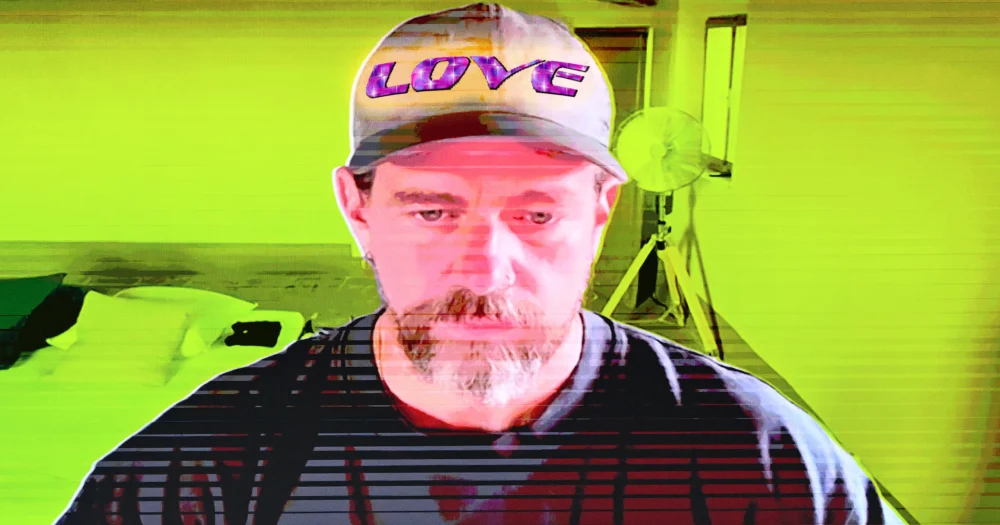
Jack Dorsey, the enigmatic co-founder of Twitter and current CEO of Block (formerly Square), recently ignited a firestorm of debate, not just for orchestrating a mass layoff of approximately 4,000 employees – a staggering 40 percent of Block’s workforce – but for the seemingly incongruous image he presented while doing so: sporting a hat emblazoned with the word “LOVE” in prominent lettering. This sartorial choice, coming from a figure already known for his unconventional, almost New Age guru persona, immediately raised questions about tone-deafness, sincerity, and the true motivations behind such a drastic corporate restructuring, which Dorsey largely attributed to a strategic pivot towards artificial intelligence.
Dorsey has long cultivated an image that stands in stark contrast to the typical corporate chieftain. Far from the staid suits and buttoned-up demeanor, he’s a proponent of frequent meditation, sports a distinctive long beard, and often speaks in expansive, philosophical terms – famously bringing up "world peace" when advocating for technologies like cryptocurrency. His lifestyle is equally unconventional; his exact residence is a subject of speculation, adding to his mystique. This curated persona, blending tech visionary with spiritual seeker, often positions him as an outsider even within the highly individualistic tech elite. So, when the news broke that Block was shedding thousands of jobs, with Dorsey citing AI as the primary catalyst for fostering "leaner organizations" and a "new way of working," the sight of him in a "LOVE" hat struck many as a bizarre, if not offensive, juxtaposition.
The core of the controversy wasn’t merely the hat itself, but the perceived hypocrisy it represented during a moment of profound corporate upheaval and personal distress for thousands of individuals. An estimated 4,000 Block employees, a significant portion of the company, faced the immediate termination of their livelihoods. While the economic realities of business often necessitate difficult decisions, the manner in which these decisions are communicated and executed profoundly impacts morale, public perception, and the departing employees’ sense of dignity. For at least one employee present at a company meeting following the layoff announcement, the "LOVE" hat was not just tone-deaf but deeply angering, prompting Wired to directly challenge Dorsey on whether a "compassionate layoff" was even a realistic possibility.
Dorsey, true to his romanticized view of business and life, insisted that it was not only possible but precisely what he aimed to achieve. "I don’t think it’s an impossible task," he told Wired, explaining his desire to "approach the whole situation with love." He elaborated on the process, describing an "all-hands" meeting where employees were encouraged to express their emotions and provide feedback. He also emphasized what he considered a "generous" severance package, positioned as a gesture of strength rather than a desperate measure under duress. From Dorsey’s perspective, this was "love" in action: making a tough decision for the company’s future, but cushioning the blow for those affected, ensuring they didn’t "land on the asphalt too hard." This framing, however, sparked considerable debate: can a mass layoff, regardless of severance terms, truly be characterized as an act of "love" when it uproots lives and causes significant anxiety? Critics argued that while severance is crucial, it doesn’t erase the emotional and practical toll of job loss, and that the framing of "love" might inadvertently trivialize the very real pain experienced by the departing workforce.
The justification for these sweeping cuts, according to Dorsey, lies primarily in the transformative power of artificial intelligence. He articulated a vision where "intelligence" tools are fundamentally reshaping the workplace, necessitating a shift towards smaller, more agile teams. In this "new way of working," embracing AI and operating with leaner organizations isn’t just an option but a competitive imperative. This narrative tapped directly into growing anxieties about AI’s impact on employment, particularly white-collar jobs, sparking fears that a widespread "AI jobs apocalypse" might be dawning. Dorsey’s announcement lent significant weight to these concerns, positioning Block as an early adopter of a trend that could see many traditional roles supplanted or significantly altered by advanced algorithms and automation.
However, skepticism quickly emerged regarding the sole attribution of the layoffs to AI. Many industry observers, including experts and even former Block employees, suggested that AI’s "shiny promises" might be serving as a convenient cover for more mundane, yet equally potent, financial motivations. The tech industry, including Block, experienced a period of explosive growth and significant over-hiring during the COVID-19 pandemic, buoyed by low interest rates and a surge in digital demand. As economic conditions shifted – with rising interest rates, looming recession fears, and increasing pressure from investors for profitability over pure growth – many companies found themselves overstaffed. Layoffs, in this context, become a mechanism to correct past overexpansions and realign with current market realities, regardless of specific technological shifts. The argument is that while AI undoubtedly plays a role in long-term strategy, it may not be the immediate, primary driver for such a massive reduction in workforce, but rather a compelling narrative to justify difficult financial decisions.
Dorsey’s views on layoffs extended beyond his own company, touching upon the turbulent acquisition and subsequent restructuring of Twitter by his "frenemy," Elon Musk. When asked about Musk’s aggressive approach to layoffs at Twitter – which saw over 6,000 employees culled – Dorsey expressed approval, albeit with specific reasoning. He acknowledged Twitter’s unique situation as a public company transitioning to private ownership, burdened with "a massive amount of debt." Dorsey believed that Twitter "needed" a dramatic change to its business model, and he was "grateful for all that" Musk had done, adding that "Twitter should have been private for quite some time." This perspective reveals a shared, albeit sometimes contentious, understanding between the two tech titans about the necessity of decisive, often brutal, corporate action to achieve desired outcomes, even if their personal styles diverge significantly. Both, in their own ways, champion radical transformation, even if it comes at the cost of thousands of jobs.
The Block layoffs, framed within Dorsey’s "love" philosophy and AI-driven vision, contribute to a broader landscape of tech industry upheaval. Beyond the immediate job losses, there’s a growing body of research highlighting the human cost of integrating AI into daily work. As the original article’s "More on AI" section hinted, AI use at work is reportedly causing "brain fry," particularly among high performers. This phenomenon suggests that while AI promises efficiency, it can also lead to increased cognitive load, stress, and burnout for the human workforce tasked with collaborating with or overseeing these intelligent systems. This adds another layer of complexity to Dorsey’s "new way of working" – one where the pursuit of leaner, AI-augmented teams might inadvertently create new forms of strain on the remaining human capital.
Ultimately, Jack Dorsey’s decision to lay off 4,000 Block employees, while wearing a "LOVE" hat and citing AI as the primary motivator, encapsulates a deeply paradoxical moment in the tech industry. It highlights the tension between a leader’s personal philosophy and the harsh realities of corporate decision-making, the optimistic rhetoric surrounding technological advancement and the very real human cost it can entail, and the ongoing debate about the true drivers behind major corporate restructurings. Whether driven purely by a strategic pivot to AI, a belated correction for pandemic-era over-hiring, or a blend of both, these layoffs, presented through the lens of "love," will undoubtedly remain a significant point of discussion regarding the evolving nature of work, leadership, and compassion in the age of artificial intelligence.