Faris Adani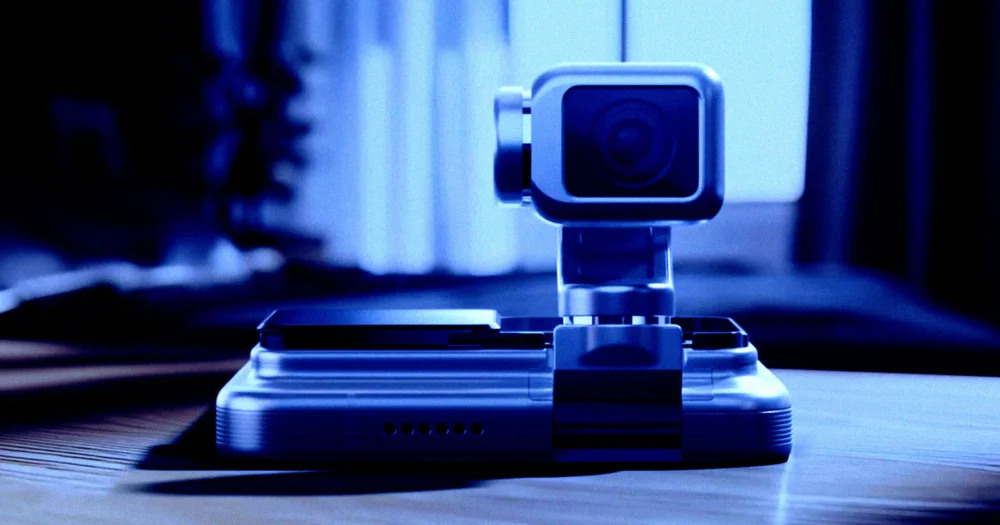
The smartphone landscape, predominantly defined by the familiar "slab" form factor since the original iPhone’s debut in 2007, has long faced criticism for its lack of radical design evolution. Despite continuous advancements in screen technology, camera capabilities, and processing power, the fundamental user interaction and physical design have remained largely static, leading to a growing sentiment of design fatigue. While foldable smartphones emerged as a promising disruptor, offering dynamic screen real estate and novel experiences, they have struggled to gain widespread adoption. High price points, perceived durability issues, and a failure to convince a broad consumer base of their essential utility have prevented them from carving out a significant market footprint. In this climate of incremental improvements rather than groundbreaking shifts, the tech industry, and consumers alike, eagerly anticipate fresh perspectives that truly redefine what a smartphone can be.
Chinese tech brand Honor is stepping into this design void, teasing a curious new concept just ahead of the Mobile World Congress (MWC) in Barcelona. MWC stands as a premier global platform for mobile innovation, where companies often unveil ambitious prototypes and future visions. Honor, actively distinguishing itself following its separation from Huawei, appears keen to showcase its innovative prowess. In a recently released concept video, the company offered a glimpse of its "Robot Phone," a device that, while retaining a familiar smartphone silhouette, introduces a startling feature: a diminutive robot arm that gracefully extends from the top edge. This miniature appendage, evoking images of a futuristic periscope or the endearing gaze of Pixar’s Wall-E, promises a new dimension of interaction, capable of peering around its environment even from within a pocket.
Further promotional material, imbued with a "cutesy" aesthetic, portrays the robot arm springing to life with fluid, almost organic motion. It emerges from a subtle protrusion near the device’s traditional camera bump, swiveling with gimbal-like precision, its camera lens functioning as an expressive "eye." This anthropomorphic quality is central to Honor’s marketing, aiming to give the device a personality beyond mere hardware. One imaginative scene even depicts the Robot Phone’s arm engaging in a face-to-face "meeting" with a full-sized humanoid robot, hinting at a future where personal devices are active participants in intelligent environments. This design choice aligns with a broader trend: making AI and robotics feel more approachable and integrated into our daily lives.
Honor positions the "Robot Phone" as a bold integration of Artificial Intelligence. The motorized camera, controlled by its gimbal arm, is envisioned as more than a mere imaging sensor; it’s a mobile observer designed to "record and analyze surroundings." This functionality places Honor’s concept firmly within the emerging trend of AI wearables, such as the Humane AI Pin and Rabbit R1. These devices seek to shift user interaction towards intuitive, context-aware, and proactive AI assistance. Potential use cases include hands-free photography and videography from novel angles, environmental scanning for real-time information (e.g., identifying objects, translating text), or even enhanced video calls. The robot arm could serve as a personal, always-on observer, capturing moments or data points that might otherwise be missed, augmenting human perception in diverse scenarios.
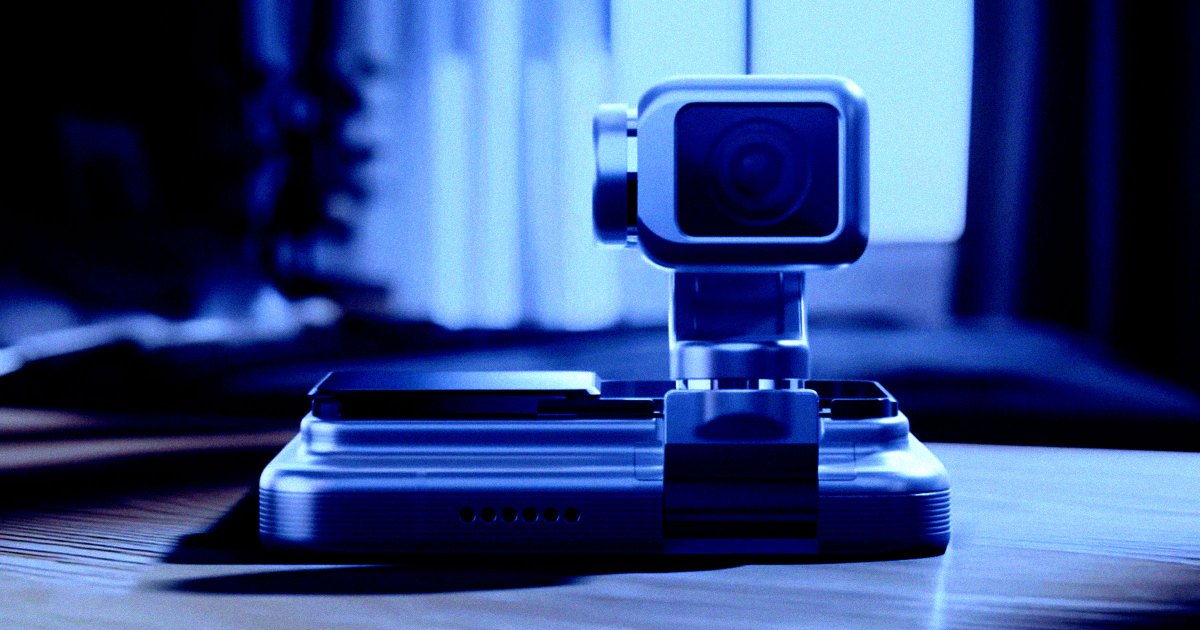
However, the allure of concept videos often masks significant practical hurdles. A critical examination of Honor’s promotional material reveals tell-tale signs of extensive AI generation. Human figures frequently exhibit "smoothed over" features, lacking natural imperfections, while backgrounds and environments sometimes appear "a touch too simplistic," characteristic of current generative AI models. Most notably, the "movement feels way off" in certain sequences, creating an uncanny valley effect where animations, though fluid, don’t quite replicate real-world physics. This heavy reliance on "AI slop," as one commenter wryly observed, raises immediate questions about the tangible existence and current developmental stage of the Robot Phone. Is Honor presenting a genuine prototype, or an ambitious vision rendered through cutting-edge digital tools – a sophisticated piece of "vaporware" designed more for headlines than for production?
The history of consumer electronics is replete with fascinating concepts that never progressed beyond the drawing board, often due to insurmountable engineering or market challenges. Should the Robot Phone exist beyond its digital renderings, it would confront numerous practical questions. How durable would such a delicate, miniaturized, stabilized gimbal mechanism prove in daily smartphone use, exposed to dust, moisture, and accidental impacts? The addition of a motorized arm would inevitably increase the device’s "bulk," potentially compromising comfort in hand or pocket, and posing aesthetic integration challenges when retracted. Moreover, powering a moving mechanical component and its associated AI processing could significantly drain a smartphone’s battery. From an engineering perspective, developing a reliable, long-lasting, and user-friendly version of this concept would be an immense undertaking, driving up manufacturing costs and potentially limiting its mainstream appeal.
Beyond technical and practical considerations, the "Robot Phone" concept also raises significant societal implications, particularly concerning privacy. A device with a perpetually observant, swiveling camera arm, capable of recording and analyzing its surroundings, could invite ethical dilemmas. While Honor might market it for personal assistance or creative content, the potential for discreet surveillance, even accidental, is undeniable. In an era increasingly sensitive to data privacy and algorithmic bias, the notion of an external, AI-powered "eye" on our personal devices could be met with considerable public scrutiny and apprehension. This concern mirrors debates surrounding other always-on AI wearables, highlighting the delicate balance between innovation, convenience, and fundamental privacy rights.
While MWC promises further details on Honor’s intentions, it’s wise to temper expectations. The heavy use of AI-generated marketing often signals that a product is either very early in development or exists primarily as a conceptual exercise. Even if a functional prototype is showcased, the path from concept to mass-market availability is complex and lengthy. Furthermore, should it ever reach commercialization, the "Robot Phone" is highly unlikely to arrive in Western markets, particularly the United States. As PCMag noted, Honor’s strategic focus remains predominantly on its home market in China. This geographic limitation is influenced by a complex interplay of factors, including intense domestic competition, differing consumer preferences, regulatory hurdles, and geopolitical tensions that often complicate the expansion of Chinese tech brands into specific international territories.
Ultimately, Honor’s "Robot Phone" represents a fascinating, if speculative, glimpse into one potential future of smartphone design. It underscores the industry’s continuous quest to transcend established norms and harness emerging technologies like AI and robotics to redefine our relationship with personal devices. Whether this specific concept evolves into a tangible product addressing genuine consumer needs or remains a compelling piece of "AI slop" designed to generate buzz, it undeniably succeeds in sparking conversation. It serves as a vivid reminder that while the smartphone "slab" may feel tired, the human imagination, fueled by technological progress, is anything but. The coming years will undoubtedly witness a further blurring of lines between smartphones, AI assistants, and wearable robotics, and Honor’s "Robot Phone" stands as an intriguing, albeit ethereal, harbinger of that integrated future. The paramount challenge for innovators will be to move beyond visually arresting concepts to deliver practical, durable, and ethically sound solutions that genuinely enrich, rather than complicate, our daily lives.