Faris Adani

If Bitcoin Keeps Tanking, It Could Cause a “Death Spiral” for the Entire Economy.
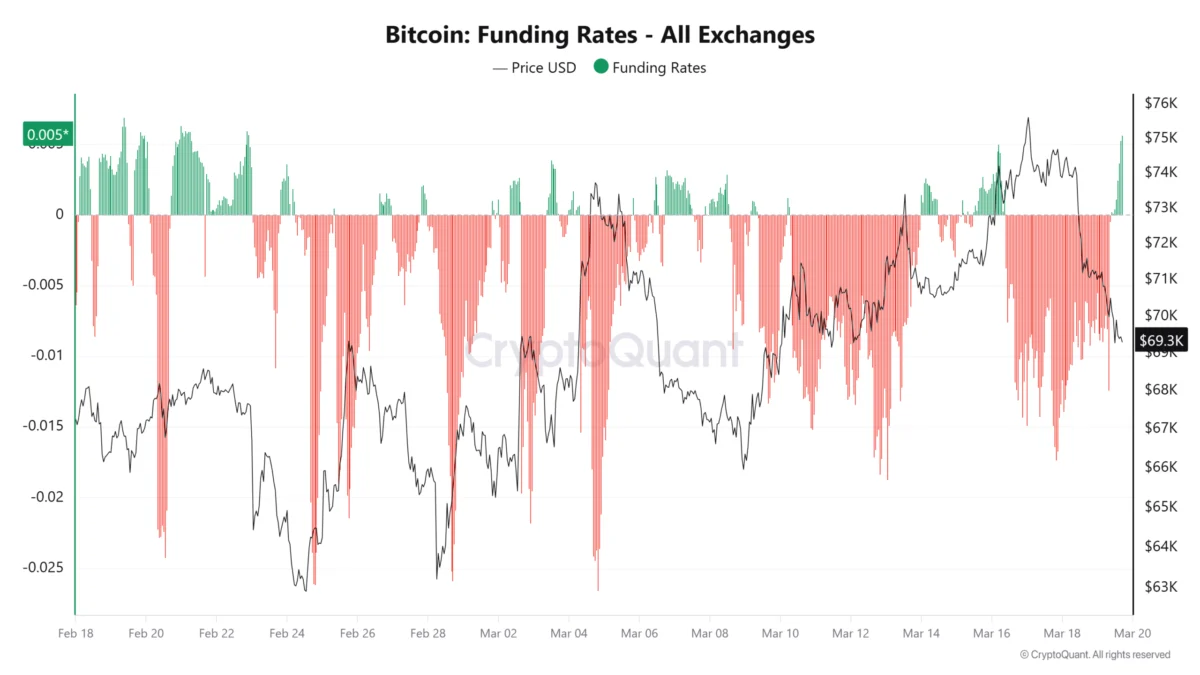
The cryptocurrency market, often touted as the future of finance, has kicked off 2026 with an alarming downturn, spearheaded by Bitcoin’s precipitous decline. The flagship digital asset has plunged nearly 14 percent year-to-date, extending its losses to almost 40 percent since reaching an all-time high of over $120,000 in October of the previous year. This prolonged slump marks Bitcoin’s longest losing streak since 2018, sending shockwaves through a market that had, for years, enjoyed unprecedented growth and investor confidence. The daily drops, sometimes exceeding three percent, are a stark reminder of the inherent volatility and speculative nature of digital currencies, challenging the optimistic outlook held by many who bet heavily on a more lenient, less-regulated market environment during President Donald Trump’s second term. While the White House had previously established its own “Strategic Bitcoin Reserve” – a stockpile largely compiled from seized digital assets – and Trump himself had reportedly enriched himself enormously through various crypto-related business ventures, including a plummeting meme coin, these governmental endorsements appear to have done little to cushion the asset’s fall.
Amidst this turmoil, Michael Burry, the renowned investor who famously foresaw and profited from the 2008 U.S. housing market collapse, has issued a dire warning that resonates far beyond the crypto sphere. In a recent Substack post titled “Short Thoughts: February 2, 2026,” Burry articulated a chilling scenario: sustained losses for Bitcoin could trigger a devastating “death spiral.” This calamitous chain of events, he argues, would begin with significant strain on the balance sheets of institutional and individual investors who have “overindexed” on crypto holdings. As prices continue to fall, these entities would be forced into further sell-offs to meet margin calls or simply cut their losses, thereby exacerbating the downward pressure on Bitcoin’s value and making a recovery exceedingly difficult. Burry’s insights, honed by his track record of identifying systemic risks, suggest that the current crypto slump is not merely a market correction but a potential precursor to a much larger economic contagion.
Burry further drew a crucial, albeit controversial, parallel between Bitcoin’s predicament and recent corrections in the prices of gold and silver. After year-long rallies, these traditional safe-haven assets have also experienced declines. Burry posits that this connection lies in the speculative nature of metals futures, which, much like crypto tokens, are not directly backed by physical assets. This inherent lack of tangible backing, he suggests, makes both asset classes susceptible to rapid devaluation when investor confidence erodes. The implication is that the speculative fever that drove up crypto prices also fueled certain aspects of the precious metals market, and the unwinding of one could easily impact the other, creating a broader crisis of confidence across various investment vehicles. “Sickening scenarios have now come within reach,” Burry cautioned, specifically highlighting the precarious position of large crypto treasury holders like Strategy Inc. A further ten percent drop in Bitcoin, he warned, could push some of the largest miners of the token closer to bankruptcy, triggering a cascade of liquidations that would destabilize the entire ecosystem.
This escalating crisis in the crypto market is unfolding against a backdrop of wider financial instability on Wall Street and in the global economy. The U.S. dollar, once a bastion of stability, reached a four-year low earlier this year, signaling a significant shift in investor sentiment. Faced with what many perceive as the Trump administration’s “shaky monetary policy,” investors are increasingly looking abroad for safer and more lucrative bets, with European markets, in particular, becoming far more tempting. This outflow of capital from U.S. assets further compounds the domestic economic uncertainty. Paradoxically, while cryptocurrencies lose their luster, the value of gold has surged, hitting an all-time high of over $5,500 per ounce just last week. This divergence underscores a flight to perceived safety, with investors abandoning speculative digital assets for a millennia-old store of value, even as tokenized forms of metals face their own challenges. Cryptocurrencies, meanwhile, have continued their descent, dropping below $73,000 last week, seemingly unable to find a floor.
Burry’s analysis delves into the fundamental lack of intrinsic utility for Bitcoin in a downturn. “There is no organic use case reason for Bitcoin to slow or stop its descent,” he wrote in his Substack post, emphasizing that its value is primarily derived from speculation and network effects, which can unravel rapidly. He outlined specific price thresholds that, if breached, could trigger increasingly severe economic consequences. Should the nosediving cryptocurrency fall below $70,000, Burry warned that the financial industry, with its significant institutional exposure to Bitcoin, could incur heavy losses. Many public companies and hedge funds have integrated Bitcoin into their balance sheets or investment strategies, and such a drop would necessitate significant write-downs and potential liquidity crises. The domino effect would extend to individual investors, retirement funds, and venture capital firms that have allocated substantial capital to the crypto space.
The situation becomes even more dire, according to Burry, if Bitcoin were to breach the $50,000 mark. At this point, many Bitcoin miners, whose operations rely on profitability tied to the token’s price, could be forced to close up shop. Mining is an energy-intensive process, and a sustained drop in Bitcoin’s value below operational costs would render these ventures unsustainable. A mass exodus of miners would not only impact the profitability of the industry but also potentially compromise the security and decentralization of the Bitcoin network, further eroding trust and value. This scenario would be accompanied by a catastrophic sell-off for precious metals like gold, as tokenized metals futures, already under pressure, would collapse into “a black hole with no buyer.” However, Burry offers a glimmer of distinction: “Physical metals may break from the trend on safe haven demand,” suggesting that while derivative products linked to metals might crater, the physical commodities themselves could see a renewed surge as investors seek truly tangible assets outside the digital realm.
It is important to contextualize Burry’s pronouncements within his broader history of market predictions. While he gained legendary status for shorting the 2008 housing market, a feat chronicled in “The Big Short,” his track record since then has been notably shakier. He has made numerous “wrong calls” over the years, leading some to view his more extreme warnings with a degree of skepticism. Moreover, Burry has long been a vocal critic of cryptocurrencies, frequently deeming them “worthless” and drawing parallels to historical speculative bubbles such as the 17th-century Dutch “tulip crisis,” where the price of tulip bulbs soared to exorbitant levels before a dramatic crash. His consistent bearish stance on crypto, while prescient in some periods, also reflects a deep-seated philosophical opposition to assets he perceives as lacking intrinsic value or being fueled purely by speculative mania.
Nevertheless, the sheer scale of institutional investment in Bitcoin means that Burry’s current warning cannot be easily dismissed. Well over 150 public companies, ranging from tech giants to financial services firms, have made massive investments in Bitcoin, holding it on their balance sheets or integrating it into their treasury management strategies. Companies like MicroStrategy (likely the “Strategy Inc.” referenced by Burry), Square (now Block), and even Tesla have poured billions into the digital asset, betting on its long-term appreciation and its role as a hedge against inflation. This extensive corporate exposure means that Bitcoin’s recent downturn is not merely a concern for individual crypto enthusiasts but a systemic risk that could reverberate through traditional financial markets. If these corporate giants are forced to liquidate holdings or face significant impairments, the ripple effects could destabilize their stock prices, impact their employees, and potentially trigger broader market sell-offs as investors desperately try to cut their losses. The interconnectedness of modern finance ensures that a “death spiral” in one significant asset class could indeed have profound consequences for the entire global economy.