Faris Adani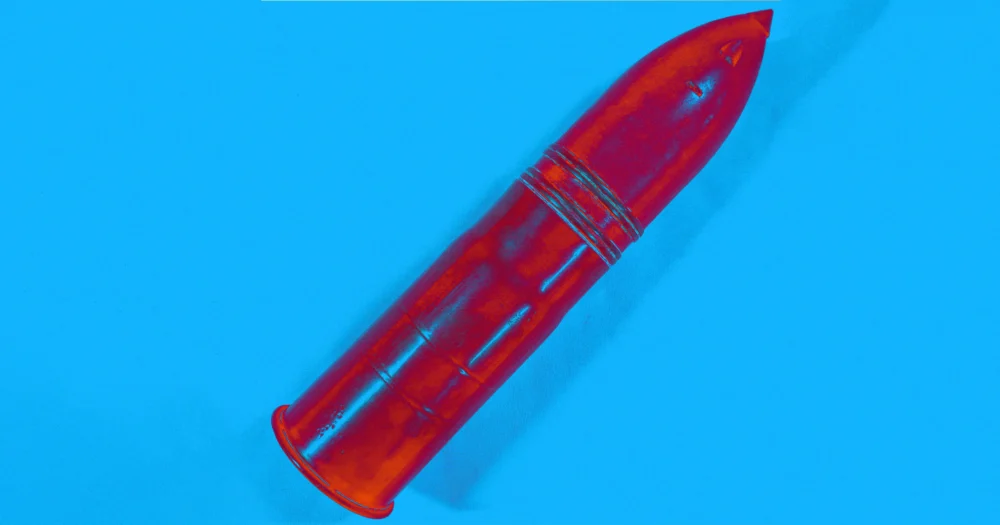
Hospital Evacuated When Man Arrives With WW1 Shell Stuck in the Wildest Part of His Body Imaginable
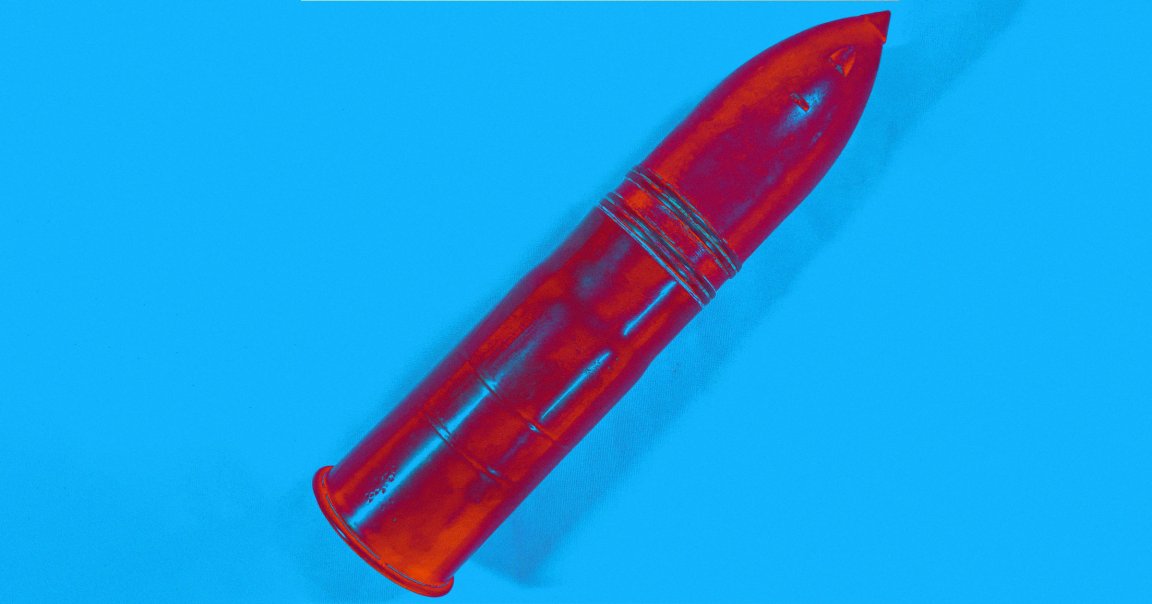
A bizarre and potentially catastrophic incident unfolded at Rangueil Hospital in Toulouse, France, recently, forcing a partial evacuation and the urgent deployment of a bomb disposal team after a 24-year-old man presented himself with a 37mm brass-and-copper World War 1 shell lodged in his rectum. The extraordinary discovery sent shockwaves through the medical facility, highlighting the unexpected and often dangerous challenges faced by emergency room personnel worldwide.
Medical professionals are no strangers to retrieving foreign objects from patients’ rectums, a surprisingly common phenomenon that sees thousands of individuals seeking emergency care each year. A 2023 study, for instance, indicated approximately 4,000 annual cases of what researchers clinically term “rectal foreign bodies.” These incidents typically involve a wide array of items, from household objects like lightbulbs, bottles, and aerosol cans to more intimate items such as vibrators or fruits. Motivations vary, encompassing sexual gratification, accidental insertion, concealment, or in some cases, symptoms of underlying psychological distress. However, the nature of the object in this recent French case – an antique explosive device – elevated a routine, if unusual, medical emergency into a full-blown security crisis.
The unnamed man, aged 24, arrived at the hospital over the weekend, seeking medical attention for his predicament. As staff at Rangueil Hospital began the assessment, the true nature of the foreign body became chillingly clear: it was a 37mm shell, originally used by the Imperial German Army during World War 1. While described as a “collectible shell,” the inherent danger of any unexploded ordnance (UXO) from that era, even if believed to be inert, is immense. These shells, fired in staggering numbers—an estimated 1.5 billion during the Great War—can remain live for decades, their internal compounds degrading unpredictably and becoming highly volatile. Any shock, friction, or even a change in temperature could potentially trigger a detonation, transforming a medical procedure into a lethal event.
The immediate response was swift and decisive. As Agence France-Presse reported, hospital officials promptly initiated a partial evacuation of the facility, particularly around the emergency department, to ensure the safety of other patients and staff. A specialized bomb disposal unit was urgently called to the scene, tasked with neutralizing the potentially explosive device. Firefighters were also summoned to provide crucial “fire protection during the bomb disposal team’s intervention,” underscoring the severity of the perceived threat. The sight of emergency services, bomb disposal experts, and fire crews converging on a hospital entrance for such an unimaginable reason must have been a truly surreal experience for onlookers and staff alike.
Fortunately, the crisis was averted. Emergency teams later confirmed that the “explosive device has been neutralized,” allowing medical personnel to proceed with the delicate task of retrieving the shell and treating the patient. While the immediate danger passed, the 24-year-old man could face legal ramifications. An officer reportedly informed the Daily Mail that the individual could be facing legal action for handling “category A munitions.” In France, Category A munitions refer to weapons and explosive devices designed for military purposes, and their unauthorized possession carries significant penalties, highlighting the gravity of the man’s actions beyond the bizarre medical emergency.
The incident also serves as a stark reminder of the enduring legacy of World War 1. Over a century after the conflict ended, unexploded ordnance continues to surface across former battlefields, particularly in regions like northern France and Belgium. This phenomenon, often termed the “Iron Harvest,” sees farmers, construction workers, and even casual collectors unearthing shells, grenades, and other munitions. While many are inert, a significant portion remains dangerously live, posing a constant threat and requiring specialized disposal efforts year after year. The sheer volume of these historical relics makes it almost inevitable that some will find their way into private collections, often without a full understanding of the inherent risks.
Amazingly, this is not an isolated incident. The human propensity for inserting unusual objects into bodily orifices, combined with the lingering presence of historical munitions, has led to similar, equally astounding occurrences. In late 2022, an 88-year-old Frenchman in Toulon sparked a similar hospital evacuation after presenting with a World War 1 artillery shell lodged in his rectum. Surgeons at the hospital were ultimately forced to make an incision in his abdomen to retrieve the ancient relic. The discovery was understandably a major surprise to the medical staff. “An apple, a mango, or even a can of shaving foam, we are used to finding unusual objects inserted where they shouldn’t be,” one ER doctor told French newspaper Var-Matin at the time. “But a shell? Never!” The recent Toulouse incident indicates that “never” has become “twice,” at least in France.
Beyond France, the phenomenon extends. In an even more potentially dangerous scenario, a man in England in 2021 managed to lodge a two-inch wide World War 2 anti-tank shell in his rectum. This incident also prompted a hospital in Gloucester to call in a bomb disposal team. The man’s explanation to officials – that he allegedly “slipped and fell” on the ordnance – became a darkly humorous, if common, trope for explaining away such self-inflicted predicaments, often masking more complex underlying issues or deliberate acts. These repeated occurrences underscore not only the extraordinary lengths people go to but also the incredible strain placed on emergency services, who must adapt to unforeseen and hazardous situations with remarkable professionalism and calm.
The medical procedures for extracting such foreign bodies range from manual extraction under sedation to endoscopic removal or, in more complex or dangerous cases like these involving munitions, full surgical intervention. The primary concern is always patient safety, followed by the safety of medical personnel. When the object itself is a potential explosive, the entire dynamic shifts, necessitating collaboration with military experts and a carefully orchestrated plan to mitigate risk. The psychological aftermath for patients can also be significant, often involving embarrassment, fear, and sometimes the need for mental health support. For the medical teams, these cases, while rare, become indelible memories in their careers, a testament to the unpredictable nature of human behavior and the enduring, sometimes explosive, echoes of history.