isnaini azizah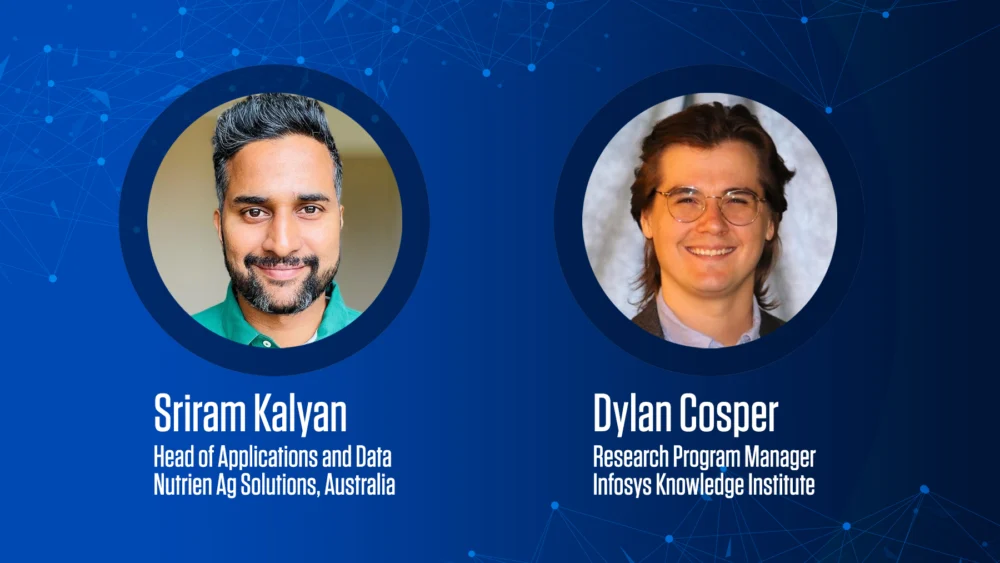
The acquisition of two prominent Australian agricultural companies by Nutrien Ag Solutions was a monumental undertaking, designed to create a dominant force in the industry. However, the immediate aftermath of such a significant merger often presents a complex IT integration challenge. Sriram Kalyan, speaking on the Enterprise AI hub, illuminated the typical pitfalls encountered in these scenarios. The most immediate and pervasive issue was the duplication of systems. Each legacy company brought with it its own suite of enterprise resource planning (ERP) systems, customer relationship management (CRM) platforms, supply chain management tools, and various specialized agricultural software. Merging these disparate systems without a clear, overarching strategy led to an exponential increase in complexity, data silos, and inefficiencies. Imagine two different languages being spoken simultaneously within the same organization, with no common dictionary. This is the essence of system duplication in an IT context.
Beyond simple duplication, the integrations between these systems were often brittle and prone to failure. Legacy systems, built on different architectures and designed to interact in specific ways, struggled to communicate effectively when forced into a new, unified environment. Custom-built connectors, often developed over years with little formal documentation, became single points of failure. A minor change in one system could cascade into a series of unexpected errors and outages in others, creating a domino effect of operational disruption. This fragility meant that the IT department was constantly in a reactive mode, firefighting issues rather than proactively driving strategic initiatives. The operational risk associated with these unstable integrations was immense. Any disruption to critical systems – from inventory management to customer order processing – could directly impact the company’s ability to serve its farmers, deliver essential products, and maintain its competitive edge.
The situation at Nutrien Ag Solutions was further compounded by an unforeseen and significant challenge: the sudden loss of key platform experts and trusted partners. These individuals and organizations possessed intimate knowledge of the legacy systems, their intricacies, and the existing integration points. Their departure left a void in expertise, making it even more difficult to understand, manage, and resolve the complex technical issues that were plaguing the organization. This "brain drain" amplified the sense of fragility and uncertainty, pushing the company closer to a critical operational failure point.
In this dire context, the leadership at Nutrien Ag Solutions recognized the urgent need for a radical reset. Sriram Kalyan highlighted the paramount importance of leadership alignment. This wasn’t just about IT leadership; it was about a unified vision and commitment from the entire executive team. They understood that the IT integration challenges were not merely technical problems but business problems that required a business-led solution. This alignment ensured that IT was not seen as a cost center but as a critical driver of business value and strategic advantage. When leadership is on the same page, resources are allocated more effectively, priorities are clearer, and the organization can move forward with a cohesive strategy.
The next crucial element of their successful reset was disciplined platform consolidation. Instead of attempting to maintain and integrate every legacy system, Nutrien Ag Solutions adopted a strategic approach to identify core platforms that would serve as the foundation for their future operations. This involved a rigorous evaluation of existing systems, identifying redundancies, and making tough decisions about which systems to retain, which to replace, and which to retire. The goal was to simplify the IT landscape, reduce complexity, and create a more manageable and scalable architecture. This disciplined approach meant focusing on best-of-breed solutions that could support the diverse needs of the agricultural business, from farm management to retail operations.

A key aspect of this consolidation was the move towards a more standardized technology stack. By selecting a smaller number of robust, enterprise-grade platforms, Nutrien Ag Solutions could leverage vendor support, benefit from ongoing innovation, and reduce the burden of maintaining a fragmented ecosystem of disparate software. This strategic rationalization not only addressed the immediate integration chaos but also laid the groundwork for future scalability and agility.
Crucially, the entire transformation was guided by a clear focus on business outcomes. The IT team and leadership understood that technology for technology’s sake was not the objective. Instead, every decision was evaluated based on its potential to deliver tangible benefits to the business. This meant improving operational efficiency, enhancing customer experience, enabling better data-driven decision-making, and ultimately, driving revenue growth. By tying IT initiatives directly to business objectives, Nutrien Ag Solutions ensured that their efforts were aligned with the company’s strategic goals. This outcome-oriented approach provided a clear roadmap and helped to prioritize investments, ensuring that resources were directed towards initiatives that would yield the greatest return.
The impact of this disciplined approach was profound. What was once an "invisible liability" – the tangled mess of post-acquisition IT – was transformed into a "strategic enabler." The robust, consolidated digital foundation provided the agility and scalability required to support Nutrien Ag Solutions’ ambitious growth plans. The improved data visibility and integrated systems allowed for more informed decision-making across all levels of the organization, from the farm gate to the executive suite.
Furthermore, this reset positioned Nutrien Ag Solutions for a successful cloud transformation. With a simplified and standardized IT architecture, the migration of applications and data to the cloud became a much more manageable and less risky endeavor. Cloud technologies offered the promise of enhanced scalability, improved cost-efficiency, greater flexibility, and access to advanced analytics and AI capabilities. The groundwork laid by the post-acquisition reset made this transition smoother and more effective.
The ability to achieve enterprise scale was another significant outcome. As Nutrien Ag Solutions continued to grow and expand its operations, its IT infrastructure needed to be able to keep pace. The new, unified digital foundation provided the necessary scalability to accommodate increasing transaction volumes, a growing customer base, and the integration of new acquisitions or business units. This scalability was not just about handling more data; it was about ensuring that the systems could support the business as it evolved and expanded its reach.
In essence, Nutrien Ag Solutions’ journey from integration chaos to digital clarity is a powerful case study in how strategic leadership, disciplined execution, and a business-centric approach can overcome even the most daunting post-acquisition IT challenges. By focusing on core principles – leadership alignment, platform consolidation, and business outcomes – they not only salvaged a complex situation but also built a resilient and future-ready digital infrastructure that is now a cornerstone of their continued success and growth in the dynamic agricultural sector. The podcast episode, featuring Sriram Kalyan, offers valuable lessons for any organization undertaking significant mergers and acquisitions, underscoring the critical role of IT as a strategic partner in driving business transformation.