Faris Adani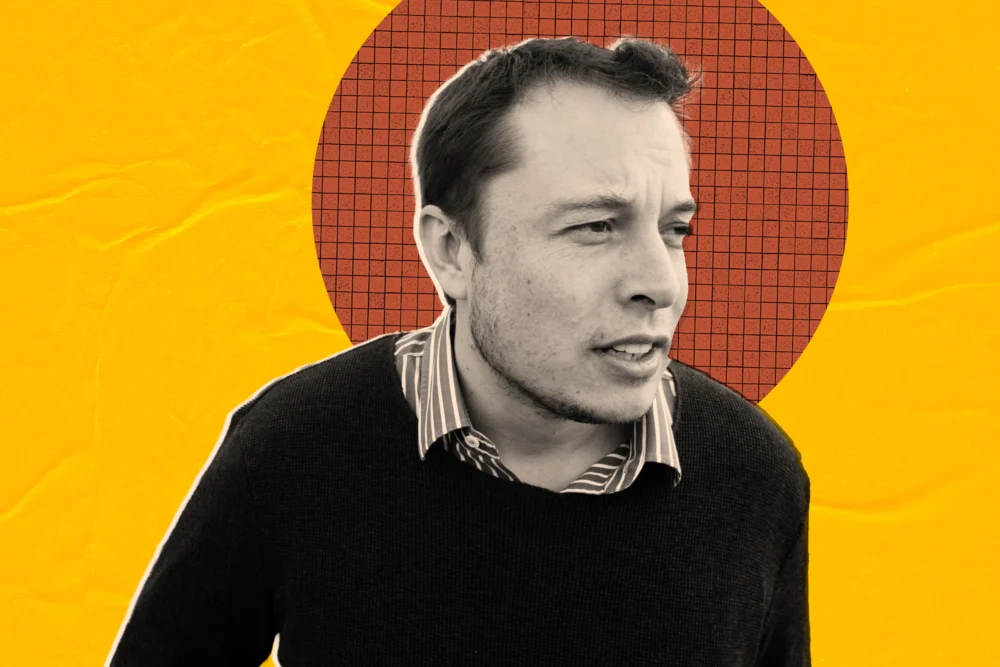
In a stark illustration of the adage "money can’t buy happiness," Elon Musk, widely recognized as one of the world’s wealthiest individuals, recently took to his social media platform, X (formerly Twitter), to express a profound personal sentiment. "Whoever said ‘money can’t buy happiness’ really knew what they were talking about," Musk lamented, a statement that immediately resonated across the internet, sparking both sympathy and widespread criticism. The comment, made by a man whose net worth hovers in the hundreds of billions of dollars, arrived amidst a backdrop of escalating public scrutiny and fresh revelations concerning his alleged past contacts with convicted sex offender Jeffrey Epstein. The incongruity of such a complaint from someone with virtually limitless financial resources has fueled intense debate, prompting many to question the sincerity of his statement and the ethical responsibilities that accompany such immense wealth.
Musk’s public persona is as complex and multifaceted as his business empire. From revolutionizing electric vehicles with Tesla and spearheading space exploration with SpaceX, to acquiring and reshaping X, he has consistently positioned himself as a visionary intent on pushing the boundaries of human achievement. Yet, his candid, often provocative, and sometimes self-pitying posts on social media have become a hallmark of his public communication, frequently drawing both fervent support and sharp condemnation. The image accompanying the original article, a black and white portrait of Musk with a striking yellow and red background, captures a contemplative figure, perhaps reflecting the internal complexities that his public statements often expose. This latest lament, however, has touched a raw nerve, striking many as tone-deaf given the scale of his affluence and the pressing global challenges that could be addressed with even a fraction of his fortune.
The notion that money cannot buy happiness is a timeless philosophical and psychological inquiry. Decades of research in positive psychology suggest that while a certain level of income is crucial for basic needs and comfort, providing a significant boost to well-being, the correlation between wealth and happiness tends to plateau beyond a specific threshold. This threshold, often estimated at around $75,000 to $100,000 annually in developed countries, signifies the point where additional income no longer substantially increases daily emotional well-being, though it may still contribute to overall life satisfaction. For someone like Elon Musk, whose wealth far surpasses any conceivable need, the pursuit of happiness clearly transcends monetary acquisition. Critics argue that for a man who could easily end homelessness in multiple cities, fund universal school lunch programs across an entire nation, or bankroll global malaria eradication efforts with a minuscule portion of his assets, such a complaint rings hollow and out of touch with the realities faced by billions worldwide.
Adding a layer of profound gravity to Musk’s lament are the recent, deeply troubling revelations stemming from the unsealed documents related to Jeffrey Epstein. These documents, publicly released just days before Musk’s tweet, have brought to light alleged extensive contact between Musk and Epstein in the years following Epstein’s 2008 conviction for soliciting prostitution from a minor. The original article highlights a particularly disturbing detail: that Musk reportedly went so far as to "beg Epstein for an invite to his infamous island in December of 2013." This specific claim directly contradicts earlier assurances attributed to Musk, where he reportedly stated he had "refused" such an offer. The gravity of these allegations, if substantiated, places Musk in a deeply compromised position, especially considering Epstein’s horrific crimes and the exploitation of countless young women.
The immediate aftermath of these revelations saw Musk reportedly launch a desperate campaign on social media to clear his name. In one notable post, the billionaire reportedly declared, "If I actually wanted to spend my time partying with young women, it would be trivial for me to do so without the help of a creepy loser like Epstein." This defensive posture, combined with his subsequent lament about money and happiness, has led many observers to speculate about the immense personal and reputational toll these disclosures are taking on him. The juxtaposition of his immense wealth, his public complaint about happiness, and the dark shadow of the Epstein allegations creates a complex narrative that is difficult to reconcile for many in the public eye.
The critique leveled against Musk by the original article and numerous commentators extends beyond mere observation; it issues a direct challenge. If money truly doesn’t buy happiness for Elon Musk, then the ethical imperative to deploy that wealth for the betterment of humanity becomes undeniably salient. Imagine the transformative impact of liquidating even a portion of his hundreds of billions. Such an act could revolutionize global health initiatives, accelerate renewable energy transitions on a massive scale, or establish educational endowments that could lift millions out of poverty for generations. For instance, the cost of ending global extreme poverty has been estimated at tens of billions annually – a sum that, while substantial, falls within the realm of what a single individual of Musk’s financial standing could significantly impact. His wealth could seed countless scientific research projects, address food insecurity on a continental scale, or rebuild infrastructure in developing nations.
This is not to suggest that wealth automatically confers an obligation for philanthropy, but rather to highlight the profound moral implications when an individual of such extraordinary means claims a lack of happiness while seemingly unwilling to part with the very resources that could alleviate immense suffering elsewhere. Figures like Bill Gates and Warren Buffett have famously pledged the vast majority of their fortunes to philanthropic causes, demonstrating a path where immense wealth can be channeled into profound societal good, often expressing greater personal fulfillment as a result. Their actions stand in stark contrast to Musk’s public lamentations, presenting a powerful argument that true happiness might indeed be found not in accumulation, but in radical generosity and purpose-driven impact.
The performance, as the article terms it, from Musk is seen by many as deeply "insulting." It evokes the classic myth of King Midas, who famously wished for everything he touched to turn to gold, only to regret his curse when even his food and loved ones became inanimate metal. Midas, at least, had the decency to regret his curse and eventually sought to reverse it. Musk, on the other hand, presents a narrative where he possesses the Midas touch but laments the lack of happiness, yet shows no public inclination to relinquish the golden burden for the sake of others. The implicit challenge is clear: if his wealth is a source of unhappiness, then true liberation might lie in divesting it for the common good.
Ultimately, Elon Musk’s recent statement and the public reaction it garnered encapsulate a broader societal conversation about wealth, responsibility, and the elusive nature of happiness. While the specific details of his alleged interactions with Jeffrey Epstein add a dark and troubling dimension to his current predicament, the core paradox remains: a man with unprecedented financial power expresses a profound personal void. The call for him to use his immense resources to "feed the hungry, house the homeless, and fund the schools" is more than just a rhetorical flourish; it’s a moral challenge that cuts to the heart of what it means to possess such staggering wealth in a world fraught with profound inequalities. Whether he will ever heed such a call remains to be seen, but the public discourse he has ignited continues to highlight the complex relationship between money, happiness, and ethical stewardship.