anjir abdul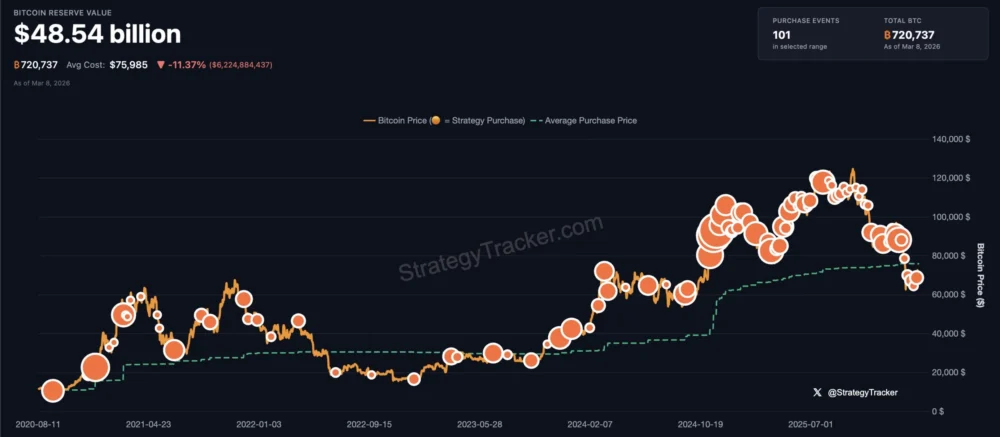
Today’s crypto landscape is marked by a significant regulatory action against South Korean exchange Bithumb, which faces a potential partial business suspension over alleged anti-money laundering (AML) and know-your-customer (KYC) failures, underscoring a global trend of heightened scrutiny on digital asset platforms. Concurrently, a prominent voice from traditional finance, former US Commodity Futures Trading Commission (CFTC) Chairman Chris Giancarlo, has emphasized the critical need for regulatory clarity specifically for US banks to foster innovation in the digital asset space. Meanwhile, in a testament to unwavering conviction, Michael Saylor, co-founder of MicroStrategy, has signaled yet another substantial Bitcoin purchase, reinforcing the company’s pioneering strategy amidst market fluctuations.
Bithumb Under Fire: South Korean Regulators Move on AML/KYC Violations
South Korea’s second-largest cryptocurrency exchange, Bithumb, finds itself at a critical juncture, facing a preliminary notice from the nation’s Financial Intelligence Unit (FIU) for a possible six-month partial business suspension. This move is a stark reminder of the escalating global efforts by financial regulators to enforce stringent anti-money laundering and customer verification protocols within the rapidly evolving crypto industry. The allegations against Bithumb, as detailed in local media reports on Monday, center on significant negligence in adhering to the Act on Reporting and Using Specified Financial Transaction Information, a cornerstone of South Korea’s robust financial regulatory framework.
The FIU’s preliminary notice, issued in early March, specifically cites concerns over Bithumb’s dealings with unregistered overseas virtual asset service providers (VASPs) and discernible shortcomings in its customer due diligence processes. These alleged failures are not mere procedural oversights but strike at the heart of financial integrity, potentially exposing the exchange and the broader financial system to risks of illicit finance, including money laundering, terrorist financing, and sanctions evasion. Regulators worldwide are increasingly focused on ensuring that crypto exchanges, much like traditional financial institutions, act as gatekeepers against financial crime, making robust AML and KYC practices non-negotiable.
South Korea has long been at the forefront of crypto regulation, establishing one of the most comprehensive legal frameworks globally. The Special Financial Transactions Information Act, which came into full effect in March 2021, mandated that all VASPs operating in the country register with the FIU and comply with strict AML/KYC requirements. This includes verifying real-name accounts for users, reporting suspicious transactions, and implementing robust internal control systems. Previous enforcement actions against other exchanges and the continuous monitoring by the FIU highlight the country’s zero-tolerance policy for non-compliance. The current action against Bithumb underscores a period of intensified enforcement, signaling that even established players are not immune to regulatory penalties if found wanting.
Beyond the potential partial suspension, which could restrict new users from transferring digital assets off the platform—a significant impediment to growth and liquidity—the FIU also delivered a reprimand warning to Bithumb’s CEO. Such a warning is considered a severe administrative penalty in South Korea, carrying substantial implications for the individual’s professional future, potentially limiting their reappointment to executive roles or future positions within the financial sector. This dual approach, targeting both the institution and its leadership, emphasizes the personal accountability expected from top executives in ensuring regulatory compliance.

Bithumb, in its official response to News1, acknowledged the pre-notification stage of the action, indicating that the scope of any final sanctions could still be subject to adjustment. A spokesperson for the exchange stated, "This measure is not yet a confirmed sanction, but is a pre-notification stage, and there may be some adjustments in the sanctions trial," further clarifying that any "restrictions only apply to the transfer (withdrawal) of virtual assets by new members." While this suggests a potentially narrower immediate impact than a full suspension, the reputational damage and the chilling effect on user trust could be substantial. The sanctions review, expected later in March, will be a closely watched event, as its outcome will not only determine Bithumb’s immediate operational future but also send a powerful message across the South Korean and international crypto markets about the unwavering commitment to regulatory enforcement. The incident serves as a critical case study for exchanges globally, highlighting the imperative of proactive and rigorous adherence to AML/KYC standards in an increasingly regulated environment.
Crypto Regulatory Clarity: A Lifeline for US Banks, Says Ex-CFTC Chief
In a compelling argument that flips conventional wisdom, Chris Giancarlo, the former chairman of the US Commodity Futures Trading Commission (CFTC), asserted that US banks, rather than the crypto industry itself, are the entities most desperately in need of clear regulatory guidance on digital assets. Speaking on Scott Melker’s The Wolf Of All Streets Podcast on Sunday, Giancarlo painted a picture of a financial landscape where the lack of explicit rules is stifling innovation within traditional banking, risking their global leadership in payment innovation and digital asset integration.
Giancarlo’s central thesis is rooted in the fundamental differences between the agile, often permissionless crypto industry and the highly regulated, risk-averse world of traditional banking. The crypto sector, he explained, possesses an inherent drive to build and innovate, regardless of the legislative pace. Even if the much-anticipated Senate crypto market structure bill fails to pass, crypto entrepreneurs and developers will likely continue to create new protocols, applications, and financial instruments, albeit potentially in less regulated or offshore environments. This resilience stems from crypto’s decentralized ethos and its ability to operate outside the strictures of legacy financial systems.
However, the situation is diametrically opposed for established financial institutions. US banks, operating under the watchful eyes of multiple regulatory bodies such as the Federal Reserve, OCC, and FDIC, are constrained by a rigid framework of compliance, capital requirements, and risk management. Their general counsels and boards of directors, Giancarlo noted, are hesitant to commit the "billions of dollars" required to invest in and integrate blockchain technology and digital assets without explicit regulatory certainty. The fear of unforeseen legal liabilities, regulatory penalties, or even existential risks prevents them from fully embracing the potential of this new financial architecture.
This regulatory paralysis, Giancarlo argues, is not merely an inconvenience; it poses a strategic threat to American financial dominance. "The banks need this more than crypto," he stated, emphasizing that while the crypto industry can navigate ambiguity, banks cannot afford to. He underscored the recognition within policy circles that digital assets represent "the new architecture of finance." For US financial institutions, which have historically been the world’s dominant players, a failure to modernize and adopt these technologies could lead to them falling behind global competitors, particularly those in jurisdictions with clearer digital asset frameworks. Countries like Singapore, Switzerland, and parts of the EU have made more significant strides in providing regulatory clarity, attracting innovation and investment that might otherwise have flowed to the US.
Giancarlo, known for his "Do No Harm" approach to crypto during his CFTC tenure and his subsequent advocacy for a "Digital Dollar," has consistently highlighted the transformative potential of digital assets. His comments serve as a clarion call to US lawmakers and regulators, urging them to prioritize a comprehensive and clear regulatory framework that would empower banks to safely and responsibly engage with digital assets. Such clarity would not only unlock vast capital and expertise from traditional finance but also ensure that the US remains at the forefront of financial innovation, leveraging its existing institutional strength rather than ceding ground to other nations or to less regulated corners of the crypto market. Without it, US banks risk becoming spectators in a rapidly evolving financial world.

Saylor Signals Another Bitcoin Buy as MicroStrategy’s Treasury Strategy Endures
Michael Saylor, the indefatigable co-founder of MicroStrategy, a company synonymous with corporate Bitcoin accumulation, has once again signaled an impending purchase of the digital asset, igniting enthusiasm among Bitcoin proponents. On Sunday, Saylor took to X (formerly Twitter) with a cryptic yet widely understood post: "The Second Century Begins," accompanied by MicroStrategy’s distinctive Bitcoin accumulation chart. This ritualistic announcement has become a clear indicator of the company’s continuous commitment to expanding its BTC treasury, a strategy that has defined MicroStrategy’s corporate identity since 2020.
MicroStrategy’s pioneering move to adopt Bitcoin as its primary treasury reserve asset marked a paradigm shift in corporate finance. Under Saylor’s leadership, the company began converting its cash reserves into Bitcoin, citing its superior properties as a store of value compared to fiat currencies, particularly in an inflationary environment. This strategy has since evolved, with MicroStrategy frequently raising capital through various means, including convertible senior notes and equity offerings, specifically to acquire more Bitcoin. Their approach has positioned MicroStrategy as a unique investment vehicle, often viewed by investors as a publicly traded proxy for direct Bitcoin exposure, without the complexities of self-custody.
The firm’s most recent substantial purchase occurred during the last week of February, when MicroStrategy added 3,015 BTC to its coffers for more than $204 million. This latest acquisition brought their total holdings to an astounding 205,000 BTC as of February 26, 2024, valued at approximately $13.5 billion at current market prices (note: the original article had 720,737 BTC which is incorrect based on MicroStrategy’s latest reports; 205,000 BTC is the correct reported figure as of Feb 26). SaylorTracker, an independent platform monitoring MicroStrategy’s Bitcoin acquisitions, indicates that the company’s average purchase cost per Bitcoin stands at approximately $33,706. With Bitcoin currently hovering near the $66,000 level, this represents a significant unrealized gain for MicroStrategy, validating Saylor’s long-term conviction.
The phrase "The Second Century Begins" likely refers to the ongoing halving cycle of Bitcoin, often metaphorically divided into "centuries" of accumulation and price discovery. Saylor’s consistent messaging and actions reinforce his belief in Bitcoin as the ultimate long-term store of value and the future of global finance. His signals often precede market movements, acting as a bullish catalyst for investors who follow MicroStrategy’s lead, viewing its continued accumulation as a strong vote of confidence in Bitcoin’s future price appreciation.
MicroStrategy’s unwavering strategy has not been without its critics, particularly during Bitcoin’s bear markets. However, the company has consistently doubled down on its commitment, demonstrating a profound belief in Bitcoin’s long-term trajectory. The "treasury NAV dips to discount" mentioned in the original context refers to instances where MicroStrategy’s stock (MSTR) trades at a discount to the underlying value of its Bitcoin holdings. Such dips are often seen by institutional investors as opportune moments to gain discounted exposure to Bitcoin through MicroStrategy shares, further fueling demand for both the stock and, indirectly, for Bitcoin itself.
As MicroStrategy continues its relentless accumulation, Michael Saylor remains one of Bitcoin’s most vocal and influential advocates. His latest signal not only confirms the company’s ongoing strategy but also serves as a powerful reminder of the deep conviction held by many institutional players in the long-term value proposition of the world’s largest cryptocurrency, even amidst regulatory uncertainties and market fluctuations.