Faris Adani
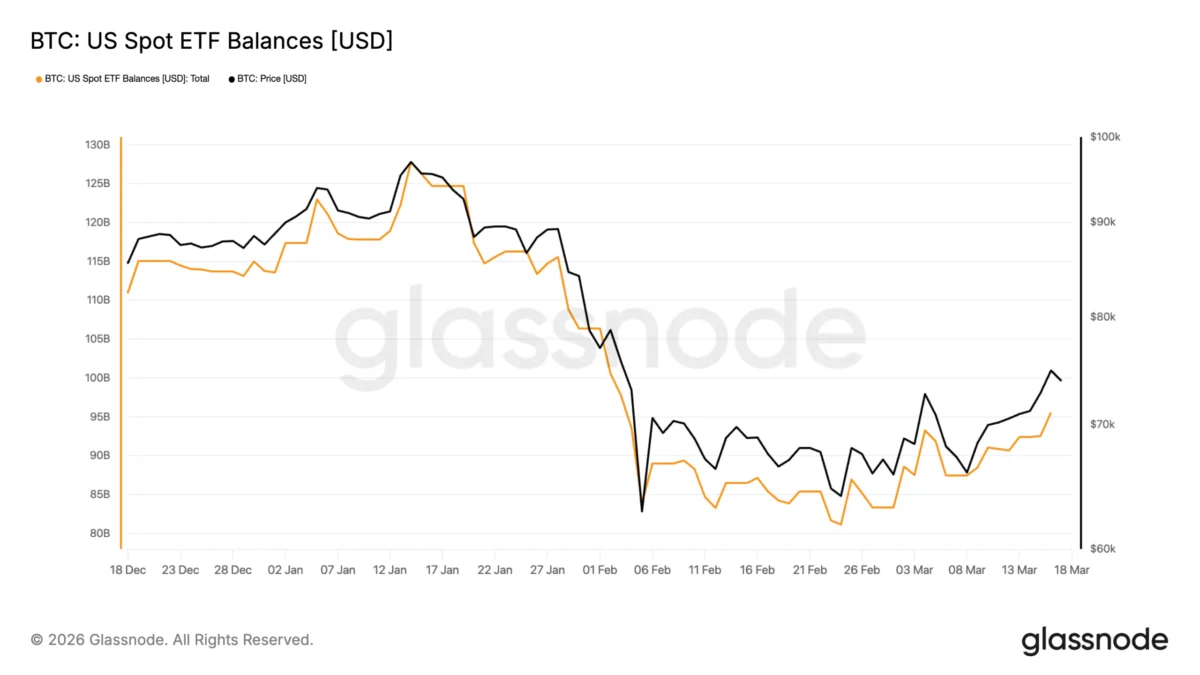
Since a tumultuous October of last year, the global cryptocurrency market has shed an astonishing nearly $2 trillion in value, plunging the nascent digital asset space into a period of unprecedented uncertainty and volatility. This precipitous decline was largely spearheaded by the flagship blockchain currency, Bitcoin, which experienced a breathtaking fall from an all-time high of over $126,000 in early October to a harrowing low of below $63,000 by February of the current year. While Bitcoin has since managed to reclaim some lost ground, oscillating around the $70,000 mark for the past month, the underlying instability remains a defining characteristic. This era of extreme price swings, far from deterring market participants, has paradoxically given rise to novel, high-stakes financial instruments in our increasingly gamified and "deranged modern world," where even volatility itself has been commodified into a lucrative financial vehicle.
The crypto market’s dramatic downturn is not merely a statistical blip but a profound recalibration of investor sentiment and a reflection of broader economic and regulatory pressures. The fictional peak of Bitcoin at $126,000, significantly higher than its historical real-world highs, suggests a period of hyper-speculation in the lead-up to "last October," likely fueled by a confluence of factors such as increased institutional adoption, mainstream media hype, and perhaps the speculative fervor surrounding advanced decentralized finance (DeFi) protocols and metaverse initiatives that captivated the market in the preceding years. However, this euphoria was short-lived. The subsequent $2 trillion collapse can be attributed to a perfect storm of external and internal pressures. Globally, central banks grappling with persistent inflation likely initiated aggressive monetary tightening policies, raising interest rates and withdrawing liquidity from risk assets, making speculative investments like cryptocurrencies less attractive. Concurrently, a wave of intensified regulatory scrutiny swept across major economies. Governments, concerned about consumer protection, illicit financial flows, and systemic risk, introduced stricter frameworks, imposed taxes, and, in some cases, outright banned certain crypto activities, leading to a chilling effect on market enthusiasm. Major hacks or vulnerabilities exposed in prominent blockchain projects could also have eroded investor confidence, demonstrating the fragility of even supposedly robust decentralized systems. The emergence of central bank digital currencies (CBDCs) in several nations might have further dampened the appeal of private cryptocurrencies, as state-backed digital alternatives offered perceived stability and legitimacy. All these elements combined to trigger a widespread deleveraging event, liquidating overleveraged positions and exacerbating the downward spiral, pushing Bitcoin from its stratospheric peak to its current, more modest but still substantial valuation.
Despite the market’s violent oscillations, a peculiar resilience has emerged, with Bitcoin stubbornly holding near the $70,000 threshold. This suggests that a significant cohort of long-term holders, or "HODLers," continue to believe in its fundamental value proposition as a store of value or a hedge against traditional financial systems. Furthermore, despite the overall market contraction, institutional interest, though more cautious, has not entirely evaporated. Some traditional financial giants may see these dips as buying opportunities, slowly accumulating assets for long-term strategic plays, thereby providing a floor for prices. Yet, the extreme price swings remain, indicative of a market still dominated by speculative trading rather than stable, utility-driven adoption.
It is into this maelstrom of unpredictability that the "five-minute crypto price prediction" has been born, a testament to the insatiable human desire to profit from even the most minute fluctuations. This novel form of betting, gaining rapid traction on platforms like Polymarket, allows individuals to wager on whether the price of major cryptocurrencies – such as Bitcoin, Ethereum, and XRP – will end higher or lower than its current value just five minutes later. The psychological allure is undeniable: it offers instant gratification, a simplified binary outcome, and the illusion of control in a market otherwise deemed chaotic. Participants, often relying on rudimentary technical analysis, gut feelings, or even sheer luck, are drawn to the thrill of high-frequency trading distilled into an accessible, gamified format.
On Polymarket’s dedicated tab for Bitcoin, the experience is visceral. A dynamic line graph, reminiscent of a seismograph, relentlessly crawls across the screen, charting Bitcoin’s price movements, which can fluctuate by hundreds of dollars within seconds. A prominent "price to beat" serves as the reference point for each wager. In the top-right corner, a stark red timer counts down the precious seconds until the market for that specific five-minute segment "resolves." At the moment the timer hits zero, the graph freezes, the outcome is declared, and almost immediately, the next five-minute segment opens for a fresh round of betting. This rapid-fire cycle creates an addictive feedback loop, encouraging continuous engagement and immediate re-investment of winnings or attempts to recoup losses.
The sheer popularity of this new format is underscored by trading data supplied by the analytics firm Dune and highlighted by a recent report from Fortune. Each day, the collective volume of money traded on these five-minute markets stretches into the tens of millions of dollars, with the overwhelming majority of this activity concentrated on Bitcoin. This phenomenon suggests a significant shift in retail and even professional trader behavior, moving away from long-term investment strategies towards hyper-short-term speculation. The pinnacle of this frenetic activity occurred on March 4th, when gamblers collectively wagered over $60 million on these rapid-fire predictions in a single day, a staggering sum that speaks volumes about the allure and scale of this new financial frontier.
Polymarket is not alone in capitalizing on this trend. Kalshi, another prominent prediction market platform, offers a slightly less frantic alternative with its "15-minute crypto bets" for those who prefer a "slower burn." While the core mechanism remains the same, the extended timeframe might appeal to a different segment of bettors, perhaps those who feel they can better predict trends over a slightly longer horizon, or simply prefer a less intense betting rhythm. The trading activity across these platforms reveals a dual demographic: a high volume of small bets, often worth mere cents, placed by individual retail participants seeking quick thrills or small gains; and, crucially, the presence of "sharks in the water"—sophisticated algorithms, professional gamblers, and high-net-worth individuals who deploy significant capital, often utilizing advanced analytics or even attempting to subtly influence market movements, to capitalize on these micro-fluctuations.
The rise of these hyper-short-term prediction markets carries profound consequences and implications for the broader crypto ecosystem and financial markets. Firstly, there are significant concerns about market manipulation. With millions of dollars flowing through five-minute windows, the temptation and potential for "wash trading," "spoofing," or other manipulative tactics designed to artificially nudge prices higher or lower at the critical resolution point become alarmingly high. This could further distort genuine price discovery and increase systemic risk.
Secondly, regulatory bodies, already struggling to keep pace with the rapidly evolving crypto landscape, face a new challenge. These prediction markets blur the lines between traditional gambling and financial trading. Are these platforms operating as unregulated exchanges? Do they require specific licenses? What are the implications for consumer protection when individuals are effectively gambling on asset prices without the typical safeguards associated with regulated financial products? The potential for addiction and significant financial losses among retail participants is immense, raising ethical questions about the responsibility of these platforms and the urgent need for clearer legal frameworks.
Thirdly, the widespread adoption of volatility betting might inadvertently steer the crypto narrative further away from its foundational principles of decentralization, utility, and long-term technological innovation. Instead of fostering a robust ecosystem built on groundbreaking applications and genuine economic utility, the focus risks shifting entirely to speculative gambling, undermining crypto’s legitimacy in the eyes of mainstream finance and government. This commodification of chaos transforms the market into a casino, potentially deterring serious investors and developers who seek stability and fundamental value.
In conclusion, as the global crypto market continues its tumultuous dance, oscillating wildly in the wake of a $2 trillion loss, a perverse new reality has taken hold. The very instability that once deterred investors has now become a product in itself, a lucrative playground for those willing to wager on its minute-by-minute gyrations. For those who thrive on chaos, "the fun doesn’t have to end" – indeed, it has merely evolved into a high-stakes, hyper-frequency betting game. This transformation underscores a critical juncture for the digital asset space, raising questions about its future direction: will it mature into a stable, utility-driven financial paradigm, or will it succumb entirely to the intoxicating allure of speculative gambling, forever descending into a cycle of chaos where volatility is not a bug, but a feature to be exploited?