anjir abdul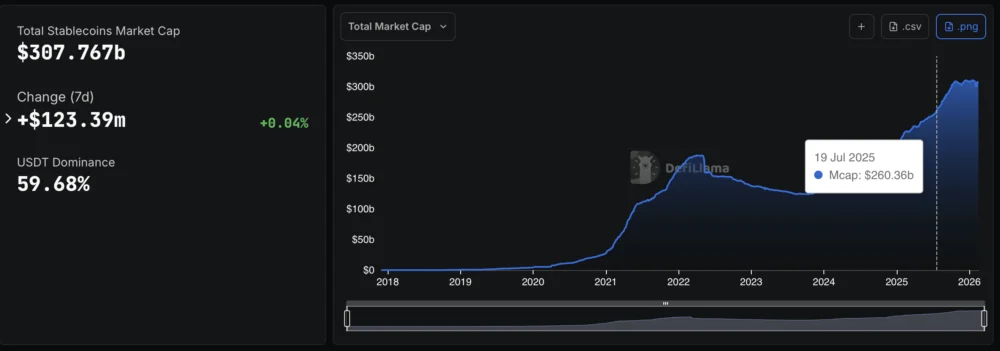
The online survey, executed between September and October 2025, specifically targeted adults who either currently hold or plan to acquire cryptocurrency, ensuring that the insights gathered reflect the perspectives of the most relevant demographic. The data highlighted a stark contrast in stablecoin holdings across different economic regions. Globally, stablecoin users maintain an average of approximately $200 in their digital wallets. However, this average surges dramatically to around $1,000 in high-income economies, suggesting a greater capacity or willingness to hold larger stablecoin balances where disposable income is higher. This discrepancy could also reflect varying use cases, with users in high-income economies potentially using stablecoins for larger transactions or as a more significant portion of their diversified digital asset portfolio.
A particularly telling revelation from the survey concerns user preferences for managing their stablecoin assets. A resounding 77% of respondents expressed a willingness to open a stablecoin wallet with their primary bank or existing fintech provider if such an option were available. This indicates a strong desire for the familiarity, trust, and integrated experience offered by traditional financial institutions, or established digital payment platforms. Complementing this, 71% of those surveyed showed keen interest in utilizing a linked debit card to spend their stablecoins, further cementing the demand for seamless integration of digital assets into conventional spending mechanisms. This signals a clear pathway for mainstream adoption, where stablecoins could be spent as effortlessly as fiat currency, bridging the gap between the decentralized crypto world and everyday commerce.
For those already receiving income in stablecoins, the assets constitute a significant portion of their annual earnings, averaging about 35%. This figure is not insignificant, indicating that for a substantial segment of the global workforce, stablecoins are becoming a core element of their financial livelihood. The economic advantages are equally compelling: users leveraging stablecoins for cross-border transfers reported an average fee saving of approximately 40% compared to traditional remittance methods. This substantial cost reduction is a critical driver for adoption, especially in regions heavily reliant on remittances, where every percentage point saved can have a meaningful impact on recipients’ financial well-being. The inherent efficiency of blockchain technology, enabling near-instantaneous and low-cost transfers, positions stablecoins as a disruptive force in the multi-trillion-dollar global remittance market.
The survey also delved into purchasing behaviors, revealing that over half of existing crypto holders (50%+) have made a purchase specifically because a merchant accepted stablecoins. This percentage climbed even higher in emerging markets, reaching 60%, underscoring the practical utility and growing acceptance of stablecoins in retail environments where traditional banking infrastructure might be less robust or more expensive. Looking ahead, 42% of respondents expressed a desire to use stablecoins for major or lifestyle purchases, a significant jump from the 28% who currently do so. This aspiration points towards a future where stablecoins could facilitate everything from buying real estate to financing luxury goods, further expanding their transactional utility.
Geographic analysis provided further depth to the stablecoin adoption narrative. Ownership rates were notably higher in middle- and lower-income economies, where 60% of respondents reported holding stablecoins, compared to 45% in high-income economies. This trend highlights the role of stablecoins as a potential hedge against local currency volatility, a tool for financial inclusion, and an efficient means for cross-border transactions in regions grappling with economic instability or limited access to traditional banking services. Africa emerged as a clear leader in this regard, recording the highest ownership rate at an impressive 79% and demonstrating the strongest reported increase in stablecoin holdings over the past year. This surge in African adoption can be attributed to factors such as high inflation rates, significant remittance flows, and a young, digitally-native population eager for alternative financial solutions.
A BVNK spokesperson, in a conversation with Cointelegraph, clarified that the study’s primary objective was to examine usage patterns among existing and prospective crypto users, rather than to measure broader population-level adoption. This targeted approach ensures that the data accurately reflects the behaviors and sentiments of individuals already engaged with or actively considering digital assets. The spokesperson also noted that respondents typically hold a diversified portfolio of stablecoins, preferring a range of dollar- and euro-pegged tokens rather than relying solely on a single issuer. This preference suggests a strategic approach to risk management and potentially a desire to leverage different stablecoins for specific use cases or platforms.
When it comes to managing their stablecoin holdings, user preferences lean heavily towards familiar digital interfaces. Exchange platforms were the top choice for 46% of respondents, indicating the continued importance of centralized trading venues for managing digital assets. Payment apps with integrated crypto features, such as PayPal or Venmo, followed closely at 40%, underscoring the convenience and widespread appeal of these user-friendly platforms. Mobile crypto wallet apps were also popular, chosen by 39%. In contrast, only 13% of respondents expressed a preference for holding stablecoins in a hardware wallet, suggesting that for most users, security and self-custody are secondary to accessibility and ease of use, especially for transactional purposes.

BVNK, the commissioning entity behind this insightful survey, is headquartered in London and was founded in 2021 with a clear mission: to provide stablecoin-focused payments infrastructure for enterprises. Its strategic focus on stablecoins positions it at the forefront of this evolving financial landscape. In June, BVNK solidified its commitment to expanding stablecoin utility by partnering with San Francisco-based Highnote. This collaboration aimed to introduce stablecoin-based funding for Highnote’s embedded finance platform’s card programs, demonstrating BVNK’s role in integrating digital assets into traditional financial products and services.
The increasing integration of stablecoins into global financial systems is not happening in a vacuum but is significantly bolstered by evolving regulatory frameworks. The passage of the GENIUS Act in the United States and the implementation of Europe’s Markets in Crypto-Assets Regulation (MiCA) are pivotal developments. These regulatory milestones provide a much-needed legal and operational clarity, paving the way for stablecoins to be seamlessly integrated into regulated payroll systems and other enterprise financial operations. As a result, companies are rapidly expanding digital asset settlement options for wages and cross-border payouts, recognizing the efficiency and cost-effectiveness that stablecoins offer.
A prime example of this trend is global payroll platform Deel, which announced on February 11 its plans to offer stablecoin salary payouts. This initiative, facilitated through a strategic partnership with MoonPay, commenced in March with workers in the United Kingdom and European Union, with plans for a subsequent expansion to the United States. Under this innovative arrangement, employees gain the flexibility to opt for receiving part or all of their wages in stablecoins directly to non-custodial wallets. MoonPay handles the complex processes of conversion and on-chain settlement, while Deel continues to manage the crucial aspects of payroll and compliance, ensuring a smooth and legally sound transition for both employers and employees.
Enterprise activity in the stablecoin sector has also witnessed an accelerated pace. Paystand, a prominent B2B payments network, recently acquired Bitwage, a platform specifically focused on cross-border stablecoin payouts. This acquisition significantly expands Paystand’s digital asset settlement and foreign exchange capabilities across its extensive B2B payments network. According to the company, this network has already processed an impressive volume exceeding $20 billion in payments, underscoring the growing demand for efficient, blockchain-powered solutions in corporate finance.
The fundamental appeal of stablecoins, and a key reason for their increasing adoption, lies in their inherent price stability. Typically pegged 1:1 to fiat currencies like the US dollar or the euro, stablecoins mitigate the notorious volatility associated with other cryptocurrencies such as Bitcoin or Ethereum. This stability makes them exceptionally well-suited for payments, salaries, and other transactional purposes where predictability of value is paramount. Unlike volatile assets that can fluctuate sharply in value, stablecoins offer a reliable store of value for short-term holding and transfer, making them a practical choice for everyday financial activities.
The stablecoin market cap itself is a testament to this burgeoning growth. According to data from DefiLlama, the total market capitalization of stablecoins currently stands at an impressive $307.8 billion, marking a significant increase from $260.4 billion observed around July 19, which coincided with the signing of the US GENIUS Act into law. This upward trajectory in market cap directly reflects the increasing utility, institutional interest, and regulatory clarity surrounding stablecoins, positioning them as a cornerstone of the evolving digital economy. The growth trajectory shown in the DefiLlama data (as referenced by the article’s original image) vividly illustrates this expansion, indicating robust confidence and continued investment in the stablecoin ecosystem.
In conclusion, the BVNK survey provides irrefutable evidence that stablecoins are rapidly evolving beyond speculative assets to become fundamental tools for income generation, everyday payments, and cross-border remittances. Driven by tangible benefits such as lower fees and faster transfers, alongside increasing regulatory support and innovative partnerships, stablecoins are poised to reshape the global financial landscape. Their growing acceptance in payroll systems, integration into traditional banking interfaces, and preference among users in emerging markets highlight their crucial role in fostering financial inclusion and efficiency worldwide. As the market continues to mature and infrastructure providers like BVNK innovate, stablecoins are set to play an even more prominent role in how individuals and businesses manage and transact with their money in the digital age.