anjir abdul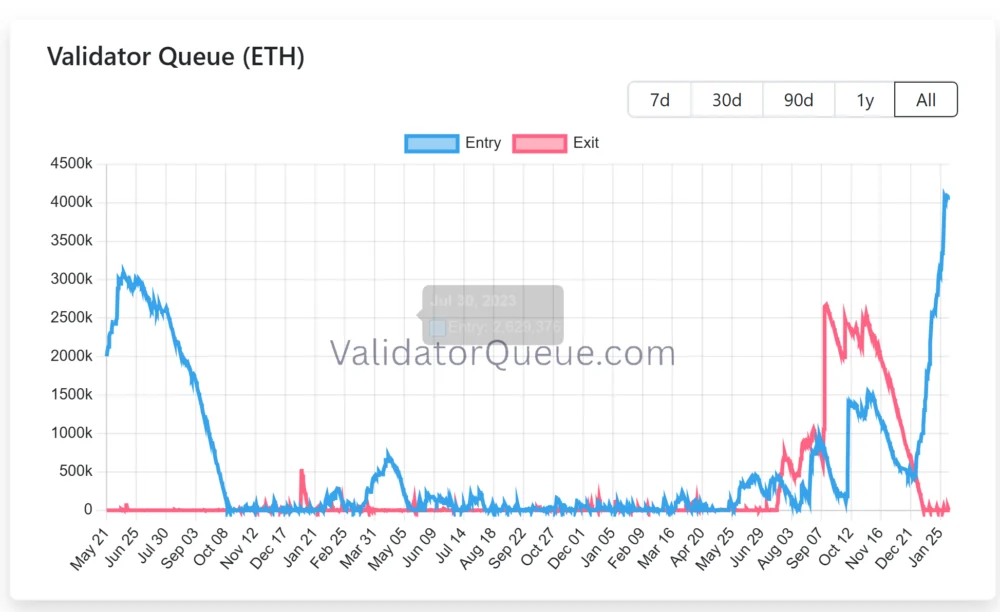
The reported acquisition, while financial terms remain undisclosed as per Bloomberg’s report citing statements from both companies, represents a pivotal moment for Bitwise as it seeks to diversify its offerings beyond traditional crypto exchange-traded products (ETPs) and cater to a more sophisticated client base looking for direct yield generation. Chorus One brings to the table a robust and established operation, currently managing an impressive $2.2 billion in assets staked across various decentralized networks. Their expertise spans providing secure and reliable staking infrastructure, supporting the backbone of numerous proof-of-stake blockchains, and serving a diverse clientele that values professional-grade staking solutions. This move by Bitwise underscores a broader trend of maturation and consolidation within the crypto industry, where established financial institutions are actively integrating core decentralized finance (DeFi) functionalities into their service portfolios.
The timing of this acquisition is particularly prescient, aligning with an explosive surge in demand for Ethereum (ETH) staking. Data from validator queues vividly illustrates this phenomenon, revealing an entry backlog for new Ethereum validators that has swelled past 4 million ETH. This substantial queue translates into wait times exceeding 70 days for prospective validators to activate their nodes and begin earning rewards. The sheer volume of Ether committed to staking is staggering, with almost 37 million ETH—representing just over 30% of the total supply—now locked into the network’s security mechanism. With close to 1 million active validators securing the Ethereum blockchain, the ecosystem demonstrates a robust and growing commitment from its participants, even in the face of significant delays for new entrants. This sustained demand highlights the strong belief in Ethereum’s future and the attractive yield opportunities it presents.
The transition of Ethereum from a proof-of-work (PoW) to a proof-of-stake (PoS) consensus mechanism with "The Merge" and subsequent upgrades like "Shanghai" and "Dencun" fundamentally altered its economic model, transforming ETH into a productive asset capable of generating yield. Staking involves locking up ETH to support the network’s operations, including processing transactions and creating new blocks. In return, stakers receive rewards in the form of newly minted ETH, effectively acting as a form of passive income. This mechanism not only secures the network but also aligns the economic incentives of participants with the long-term health and growth of the blockchain. For investors, staking offers an attractive alternative to simply holding assets, providing an opportunity to earn returns on their idle capital, thereby enhancing capital efficiency.
Beyond Ethereum, the appeal of staking extends across a multitude of other PoS blockchains, each offering varying yields and operational complexities. Chorus One’s broad expertise across these networks, from Solana to Polkadot and Cosmos, makes it an invaluable asset. Their operational excellence in running validators, managing security, and handling the intricacies of different protocol upgrades is a significant draw for institutional clients who prioritize reliability and compliance. For Bitwise, integrating such an operation means they can offer a comprehensive suite of services, from passive investment vehicles like ETFs to active yield-generating products, thereby catering to a wider spectrum of investor preferences and risk appetites.

The increasing institutional appetite for crypto yield products is a critical driver behind such acquisitions. Traditional financial giants like Morgan Stanley and Grayscale are already making significant inroads into this space. Morgan Stanley, for instance, has reportedly filed to launch a spot Ether exchange-traded fund (ETF) that intends to stake a portion of its holdings, aiming to generate passive returns for its investors. Similarly, Grayscale is preparing to distribute staking rewards from its Ethereum Trust ETF, marking the first payout tied to on-chain staking by a US-listed spot crypto exchange-traded product. These moves by mainstream finance signal a growing acceptance and integration of staking as a legitimate and desirable financial activity within regulated frameworks, paving the way for broader institutional adoption.
For Bitwise, a company that has been at the forefront of bringing regulated crypto investment products to market, the acquisition of Chorus One represents a natural evolution of its strategy. It allows Bitwise to directly capture a share of the staking services market, rather than just offering exposure to underlying assets. This vertical integration could create significant synergies, potentially enabling Bitwise to offer staking services directly to clients holding their ETPs or to launch new products that incorporate native staking yields. Such a move would strengthen Bitwise’s competitive position against other asset managers who might be slower to integrate direct yield-generating capabilities into their offerings.
This deal also takes place within a broader context of an accelerating mergers and acquisitions (M&A) landscape in the crypto industry. The year 2025 reportedly saw a record-breaking surge in crypto M&A activity, with deals reaching an estimated $8.6 billion across 133 transactions. This figure surpassed the combined total of the previous four years, indicating a period of significant consolidation and maturity within the nascent industry. High-profile examples include Coinbase, which led the wave with six acquisitions, including the notable $2.9 billion purchase of crypto derivatives exchange Deribit. This M&A trend reflects a strategic imperative for companies to expand their market share, acquire critical technology and talent, and build robust ecosystems that can withstand market volatility and regulatory scrutiny. For many, it’s about building comprehensive platforms that can serve the diverse needs of a rapidly professionalizing client base.
While staking offers compelling benefits, including network security and passive income, it also comes with inherent risks that sophisticated providers like Chorus One are adept at managing. These include potential slashing penalties for validator misbehavior, protocol risks, smart contract vulnerabilities, and the illiquidity associated with lock-up periods. Bitwise’s acquisition will likely focus on leveraging Chorus One’s expertise in mitigating these risks, ensuring high uptime, and maintaining robust security practices, thereby offering institutional-grade staking solutions that instill confidence in their clientele.
Looking ahead, the acquisition of Chorus One by Bitwise is a strong indicator of the future direction of the crypto market. It points towards a future where yield generation is not just a niche DeFi activity but a core component of mainstream crypto investment strategies. As regulatory clarity improves and institutional infrastructure continues to develop, the demand for secure, compliant, and efficient staking services is only expected to grow. Bitwise’s proactive move positions it to be a key player in this evolving landscape, offering a compelling blend of traditional asset management expertise with cutting-edge decentralized finance capabilities. This strategic alignment could pave the way for more innovative products and services, further blurring the lines between traditional finance and the decentralized digital economy, and ultimately accelerating the broader adoption of cryptocurrency as a legitimate and productive asset class.