anjir abdul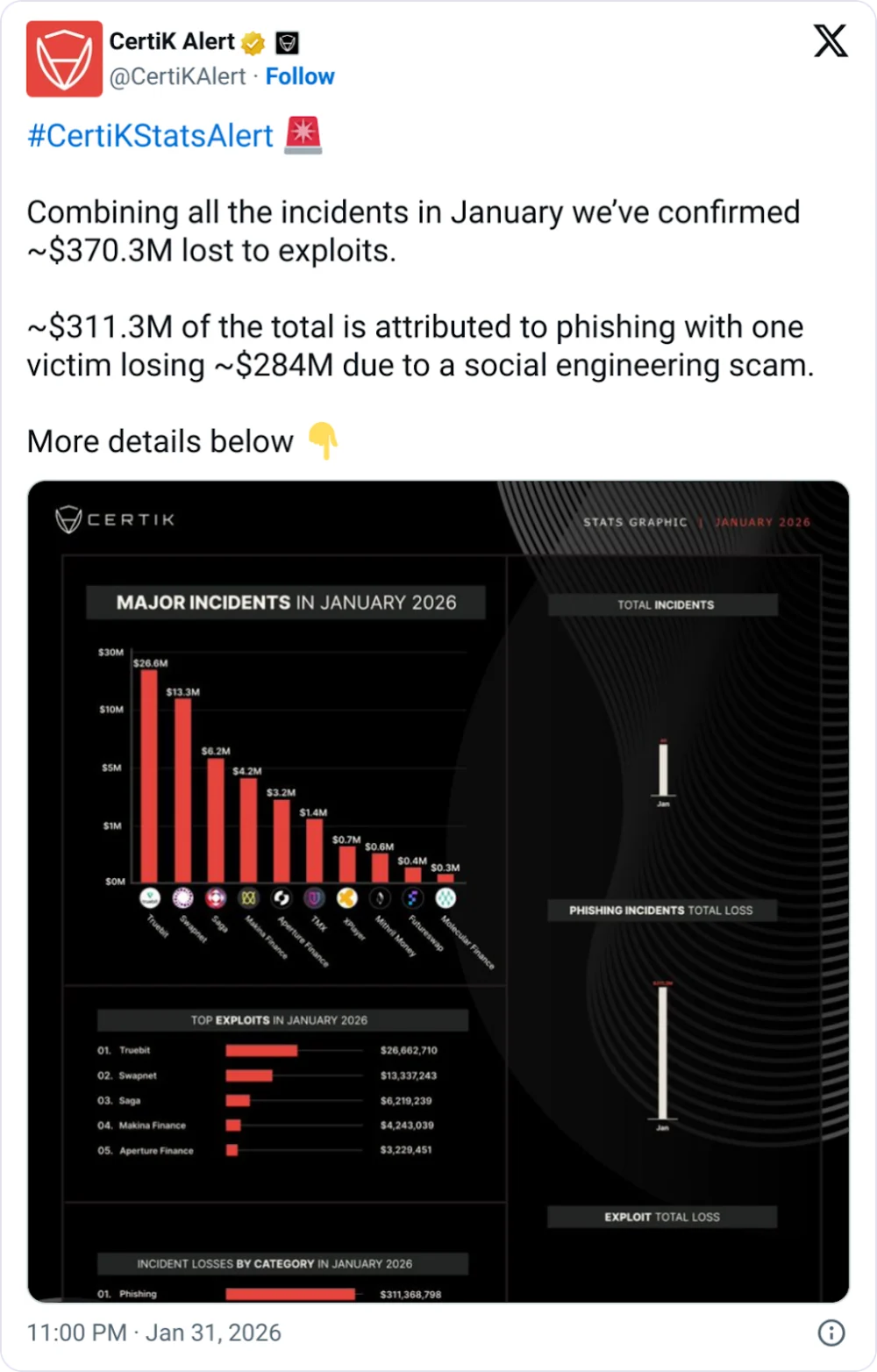
A landmark sentencing has sent a clear message through the global cryptocurrency community, underscoring the relentless fight against sophisticated financial crimes that continue to plague digital asset markets. Daren Li, a 42-year-old dual national of China and St. Kitts and Nevis, has been sentenced to 20 years in US federal prison for his pivotal role in orchestrating a sprawling global cryptocurrency scam. This fraudulent enterprise siphoned more than $73 million from unsuspecting victims, a significant portion of whom were American investors lured by promises of high returns in the volatile crypto space. The Central District of California handed down the statutory maximum sentence, coupled with three years of supervised release, as detailed in a statement released by the US Department of Justice (DOJ) on Tuesday. This severe penalty reflects the gravity of the financial and emotional devastation inflicted upon countless individuals, many of whom saw their life savings vanish into the digital ether.
Prosecutors meticulously outlined how Li, in concert with at least eight co-conspirators, engineered an elaborate scheme rooted in deception and psychological manipulation. Their modus operandi involved creating highly convincing spoofed domains and websites, meticulously designed to mimic legitimate cryptocurrency trading platforms. These fraudulent sites served as the primary conduits for promoting bogus crypto investments. The scammers would first establish trust with their targets, a critical preliminary step in a pervasive type of fraud known as "pig butchering" or advanced "phishing scams." This particular nomenclature, "pig butchering," vividly describes the methodical, long-term nature of the scam, where victims are "fattened up" with false hope and emotional attachment before being "slaughtered" financially.
Court filings illuminate the insidious nature of these scams, detailing how the conspirators initiated contact with victims predominantly through social media platforms and popular dating apps. They would dedicate considerable time and effort to cultivate seemingly genuine professional or romantic relationships, building a deep reservoir of trust and rapport. Once this emotional groundwork was laid, the fraudsters would gradually introduce the idea of lucrative cryptocurrency investments, subtly guiding their victims to transfer substantial funds into accounts that were, in fact, controlled by the criminal group. This elaborate psychological manipulation often left victims not only financially ruined but also emotionally scarred, grappling with feelings of betrayal and shame.
Assistant Attorney General A. Tysen Duva emphasized the significance of Li’s sentence, stating, “The Court’s sentence reflects the gravity of Li’s conduct, which caused devastating losses to victims throughout our country.” Duva further affirmed the DOJ’s unwavering commitment to international cooperation, adding that authorities would “work with our law enforcement partners around the world to ensure that Li is returned to the United States to serve his full sentence,” a clear indication of the global reach of these investigations and the determination to bring perpetrators to justice, regardless of their location.
Li’s sentencing marks a crucial milestone as he is the first defendant among the group to receive judgment. Eight other co-conspirators have already pleaded guilty to their involvement in the elaborate scheme and are currently awaiting their respective sentencings. This staggered legal process highlights the complexity of prosecuting such interconnected criminal networks. Li himself admitted to his involvement, confirming that he and his co-conspirators successfully tricked victims into transferring a staggering minimum of $73.6 million in funds. A substantial portion of this, $59.8 million, was funneled through US-based shell companies specifically established for the purpose of laundering the ill-gotten gains, demonstrating a sophisticated understanding of financial systems and a deliberate attempt to obscure the money trail.
The path to this sentencing began over a year ago when Li pleaded guilty to conspiring to launder funds obtained from victims through these pervasive crypto scams and fraud, as reported by Cointelegraph in November 2024. This plea was a significant breakthrough in a complex, multi-agency investigation that remains active and ongoing. The US Secret Service Global Investigative Operations Center is spearheading the effort, receiving critical assistance from Homeland Security Investigations’ El Camino Real Financial Crimes Task Force, the US Marshals Service, and other domestic and international law enforcement agencies. This collaborative approach underscores the global nature of cryptocurrency crime and the necessity of coordinated international responses.

The current legal actions against figures like Daren Li are set against a backdrop of a concerning resurgence in cryptocurrency scams and phishing incidents. The beginning of 2026 witnessed a significant uptick in these illicit activities, with scammers managing to steal a staggering $370 million in January alone. This figure represented the highest monthly total in 11 months, according to CertiK, a prominent crypto security company. The data is a stark reminder of the persistent threats lurking within the digital asset ecosystem.
A particularly alarming statistic from CertiK’s report highlighted that $311 million of the total January losses were directly attributed to phishing scams. This included a single, devastating social engineering attack that resulted in one victim losing approximately $284 million, encompassing significant amounts of Bitcoin and Litecoin. Such colossal losses from individual incidents underscore the sophistication and effectiveness of modern social engineering tactics, which often exploit human psychology rather than just technical vulnerabilities.
The $370 million lost in January 2026 marked the largest monthly figure since February 2025, a period when attackers collectively netted approximately $1.5 billion in total value stolen. The majority of that staggering sum was attributed to the infamous $1.4 billion Bybit exchange hack, an incident that sent shockwaves through the industry and further eroded investor confidence. These figures serve as a grim reminder that despite advancements in security and regulatory efforts, the crypto space remains a fertile ground for malicious actors.
The prevalence of these scams inevitably impacts the broader cryptocurrency market, including major assets like Bitcoin and Ethereum, and influences various crypto price indexes. News of large-scale fraud and successful prosecutions, while demonstrating law enforcement’s commitment, can also introduce a degree of FUD (fear, uncertainty, and doubt) into the market. Investor confidence is a fragile commodity, and repeated instances of multi-million dollar scams can deter new entrants and cause existing investors to exercise extreme caution. Bitcoin, as the market’s bellwether, often reacts to such macro-level news, with price fluctuations reflecting overall sentiment. Similarly, Ethereum, with its vast ecosystem of DeFi applications and NFTs – often targets for scams – can see its price movements influenced by security concerns and regulatory pressures stemming from these criminal activities.
While specific price index movements tied directly to the Daren Li sentencing might be localized, the cumulative effect of ongoing crypto crime is undeniable. It fuels calls for stricter regulation, prompts exchanges to enhance their security protocols, and drives innovation in blockchain forensics. The ability of on-chain crypto detectives to fight crime, often with greater agility than traditional law enforcement due to the transparent nature of blockchain, is becoming increasingly vital. These specialized sleuths leverage advanced analytics and tracing tools to follow the money trail, providing crucial intelligence to investigators.
The continuous battle against crypto scams also highlights the importance of user education. Investors are consistently advised to exercise extreme vigilance: always verify the authenticity of platforms, be wary of unsolicited investment advice, particularly from new online acquaintances, and employ robust security measures like two-factor authentication. The allure of quick riches in the crypto market, coupled with the pseudonymous nature of transactions, creates an environment ripe for exploitation. As Bitcoin and Ethereum continue to mature and gain wider adoption, the imperative to protect investors from sophisticated scams will only intensify, demanding a multi-faceted approach involving law enforcement, regulatory bodies, security firms, and individual responsibility. The sentencing of Daren Li is a significant victory in this ongoing war, but it is by no means the end of the fight.