anjir abdul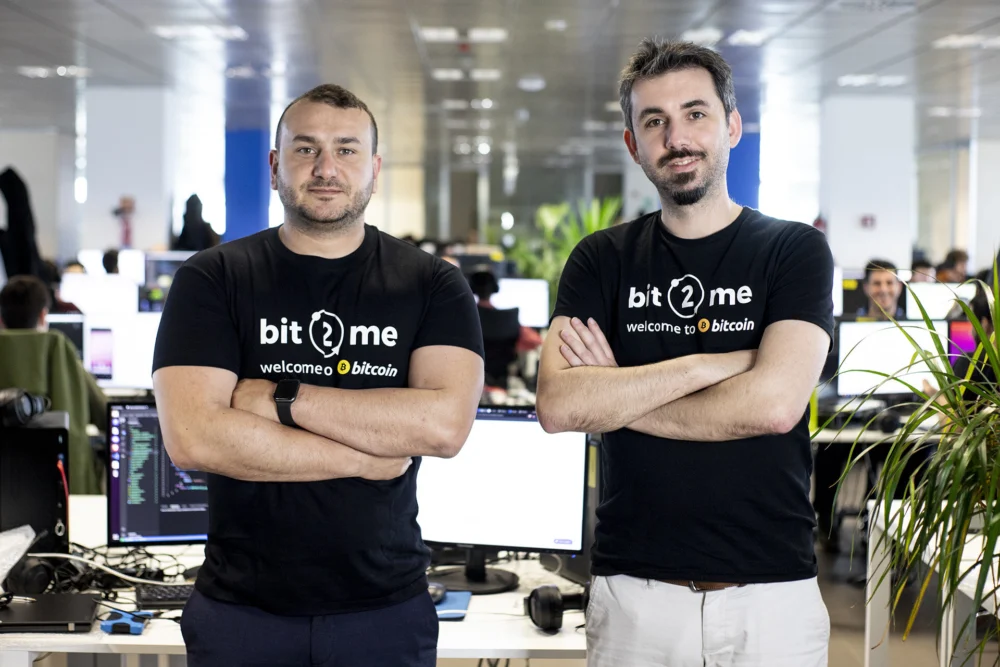
This latest investment, publicly disclosed by Bankinter on Wednesday, positions the bank as a key backer of Bit2Me, following the exchange’s successful €30 million ($34.9 million) funding round that concluded in August. That substantial round saw participation from Tether, the issuer of the world’s largest stablecoin, USDT, and another titan of Spanish finance, BBVA, signaling widespread institutional confidence in Bit2Me’s operational model and its ambitious growth trajectory across Spain and the broader European Union. The stated objective behind Bankinter’s investment, as articulated by the bank, is to cultivate "technological and knowledge synergies" that will not only bolster Bit2Me’s fintech expansion throughout Spain and the European Union but also allow Bankinter to strategically leverage Bit2Me’s expertise in the rapidly evolving crypto landscape.
Bit2Me’s journey to this point has been marked by pioneering efforts within the Spanish crypto ecosystem. The exchange notably became one of the first Spanish-speaking fintechs to receive authorization from Spain’s National Securities Market Commission (CNMV) as a crypto-asset service provider. This crucial regulatory approval, secured in February 2022, was a foundational step, positioning Bit2Me at the forefront of compliance and setting a precedent for operations within the framework of the European Markets In Crypto Assets (MiCA) Regulation, which is poised for full implementation across the EU by late 2024. MiCA represents a landmark legislative package designed to provide a comprehensive regulatory framework for crypto-assets, aiming to foster innovation while ensuring consumer protection and market integrity. For Bit2Me, this early national authorization under the CNMV demonstrates its commitment to regulatory adherence, making it an attractive partner for traditional financial institutions navigating the complexities of the digital asset space.
The €30 million investment round is particularly noteworthy within the European crypto exchange sector. It ranks among the largest publicly announced capital raises for a European crypto platform, trailing only behind Austrian crypto unicorn Bitpanda’s impressive previous funding rounds of $263 million, $170 million, and $52 million, respectively. This scale of investment underscores the growing appetite from both crypto-native and traditional finance players to capitalize on the increasing adoption of digital assets and the expanding need for regulated, secure platforms.
Pablo Casadío, Chief Financial Officer at Bit2Me, expressed profound optimism regarding the alliance with Bankinter. He remarked, "This alliance confirms that banks can take advantage of our deep know-how in the sector to enhance their offer. Instead of competing, we integrate strengths." Casadío further emphasized that Bit2Me’s "technological and regulatory solidity" positions it as an ideal partner for large financial entities seeking to venture into and capitalize on the emerging crypto ecosystem. This sentiment encapsulates the evolving relationship between traditional finance (TradFi) and the crypto industry – a shift from initial skepticism or outright competition to one of collaboration and strategic partnership.
The involvement of Tether in the initial €30 million round is also highly significant. Tether, the issuer of USDT, a stablecoin pegged to the U.S. dollar, plays a central role in the global cryptocurrency market, facilitating billions of dollars in daily transactions and serving as a crucial bridge between fiat currencies and the volatile crypto market. Its investment in Bit2Me not only injects substantial capital but also lends considerable credibility and strategic insight from a major crypto-native entity. Similarly, BBVA’s earlier participation signals a broader trend among major Spanish banks to explore and invest in the digital asset space, recognizing its transformative potential. BBVA has been proactive in the crypto sphere, having offered Bitcoin trading and custody services to its private banking clients in Switzerland since 2021, demonstrating an early mover advantage among European banks.

The entry of Bankinter into Bit2Me’s capital is not an isolated incident but rather a clear reflection of a global trend: traditional financial institutions are increasingly integrating with and investing in the cryptocurrency industry. This "TradFi wave" into digital assets is driven by multiple factors, including burgeoning client demand, the potential for new revenue streams, a desire to leverage blockchain technology for efficiency, and a strategic imperative to avoid being disrupted by agile fintechs.
Recent weeks and months have witnessed a flurry of similar activities from major players across the financial spectrum:
- Standard Chartered: Just days prior to Bankinter’s announcement, the British multinational bank Standard Chartered was reportedly exploring the launch of a comprehensive crypto prime brokerage platform. This move would allow institutional clients to access a suite of services, including trading, custody, and lending for digital assets, mirroring the sophisticated services offered in traditional markets. This represents a significant expansion of their existing crypto-related ventures, which include investments in crypto custody solutions and blockchain technology firms.
- Morgan Stanley: The investment banking giant Morgan Stanley has also been progressively deepening its engagement with crypto. The firm recently filed to launch an Ether (ETH) exchange-traded fund (ETF), marking its third such crypto ETF filing. Morgan Stanley was an early proponent of offering indirect exposure to Bitcoin to its wealthy clients through specific funds, and its move into ETH ETFs further solidifies its belief in the long-term viability and institutional appeal of major cryptocurrencies.
- Bank of America: Earlier in January, the second-largest U.S. bank, Bank of America, approved four spot Bitcoin (BTC) ETFs for recommendation through its extensive network of 15,000 wealth advisers. This pivotal decision provides millions of clients with direct access to Bitcoin exposure through regulated investment vehicles, underscoring a dramatic shift in mainstream financial advice regarding cryptocurrencies.
- BlackRock and Fidelity: These asset management behemoths have also made significant inroads. BlackRock, the world’s largest asset manager, launched its spot Bitcoin ETF, the iShares Bitcoin Trust (IBIT), which quickly amassed billions in assets under management. Fidelity, another major player, also launched its own spot Bitcoin ETF, the Fidelity Wise Origin Bitcoin Fund (FBTC), further legitimizing Bitcoin as an investable asset class for a broad institutional and retail audience. These firms are not just offering crypto products but are actively investing in the underlying infrastructure and technology.
The motivations behind this surge in TradFi involvement are multifaceted. Banks and asset managers recognize that digital assets are no longer a niche phenomenon but a rapidly maturing asset class. Client demand, particularly from younger generations and sophisticated institutional investors, for exposure to crypto assets is undeniable. Furthermore, the underlying blockchain technology offers immense potential for enhancing efficiency, transparency, and security in traditional financial processes, ranging from payments and settlements to asset tokenization. By investing in crypto exchanges and blockchain startups, traditional institutions can gain critical technological expertise, onboard new talent, and develop innovative products that cater to an evolving financial landscape.
However, this convergence is not without its challenges. Regulatory clarity, while improving with initiatives like MiCA in Europe, remains a dynamic and sometimes fragmented landscape globally. Integrating legacy systems with new blockchain infrastructure presents significant technological hurdles. Moreover, traditional institutions must navigate the reputational risks associated with a still-nascent and sometimes volatile asset class. Yet, the opportunities far outweigh these challenges. The potential for market growth, the efficiencies gained through blockchain, and the ability to attract a new generation of clients are compelling drivers.
Bankinter’s investment in Bit2Me, alongside the earlier backing from Tether and BBVA, symbolizes a crucial inflection point in the journey of digital assets. It highlights the growing mainstream acceptance of cryptocurrencies and the increasing recognition by established financial institutions that collaboration, rather than isolation, is the path forward. This alliance is a testament to the fact that the future of finance will likely be a hybrid model, blending the robust, regulated infrastructure of traditional banking with the innovation and dynamism of the crypto ecosystem. As more banks follow suit, these strategic partnerships will undoubtedly reshape the financial landscape, paving the way for a more integrated and digitally advanced global economy.