isnaini azizah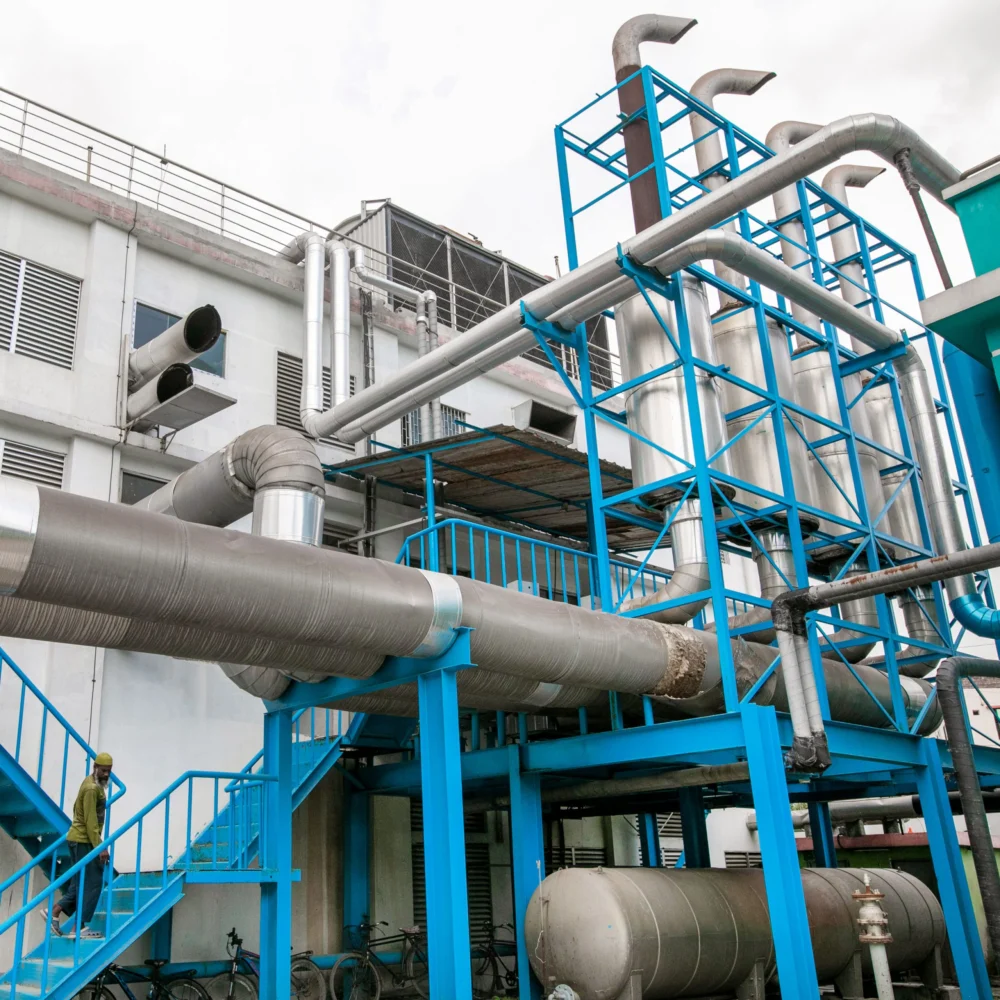
Pollution from textile production—dyes, chemicals, and heavy metals like lead and cadmium—has long been a grim characteristic of the waters of the Buriganga River as it snakes through Dhaka, Bangladesh. This environmental degradation is just one facet of the broader harms posed by a garment sector that, until recently, was tragically synonymous with disaster. The devastating collapse of the eight-story Rana Plaza factory building in 2013, which claimed the lives of 1,134 people and injured approximately 2,500 more, served as a brutal wake-up call, highlighting systemic failures in safety and oversight. The sight of vividly colored, toxic wastewater pouring from cement tunnels into the Buriganga, as captured by Zakir Hossain Chowdhury, has been a persistent visual testament to the industry’s environmental toll.

However, a significant and promising shift is underway. In recent years, Bangladesh has quietly emerged as an unexpected vanguard in the realm of "frugal" factories. These facilities are ingeniously combining resource-efficient technologies to dramatically reduce waste, conserve precious water resources, and build crucial resilience against the escalating impacts of climate change and the volatile nature of global supply chain disruptions. This transformation is not merely aspirational; it is tangible and measurable. Bangladesh now proudly boasts an impressive 268 LEED-certified garment factories, a number that surpasses any other country globally, underscoring a deep commitment to sustainable practices.
The green revolution within the garment sector is multifaceted. Dye plants are actively transitioning to the use of safer, less toxic chemicals, minimizing the release of hazardous substances into waterways. Tanneries, once notorious for their polluting effluents, are now embracing cleaner tanning methods and diligently implementing robust wastewater treatment processes, as evidenced by initiatives in areas like Hazaribagh, which has historically suffered from severe tannery pollution. Across the factory floors, workshops are making the switch to more energy-efficient LED lighting systems, a simple yet impactful measure to reduce electricity consumption. Furthermore, a growing number of factories are installing solar panels on their rooftops, harnessing renewable energy to power their operations and lessen their reliance on fossil fuels. These hundreds of factories, lining the banks of the Buriganga and scattered throughout Bangladesh, are collectively beginning to weave a new narrative—one of environmental responsibility and a departure from their past ecological transgressions.

A compelling example of this paradigm shift is the LEED Gold-certified factory of Fakir Eco Knitwears, located in Narayanganj, a city on the outskirts of Dhaka. This facility exemplifies the "frugal factory" ethos. Strategic use of skylights dramatically reduces the need for artificial lighting, slashing energy consumption by an impressive 40%. The factory has also adopted AI-driven fabric cutters, a technological leap that enables workers to recycle an astounding 95% of fabric scraps into new yarns, significantly minimizing textile waste. Md. Anisuzzaman, an engineer at Fakir Eco Knitwears, elaborates on the factory’s commitment to sustainability: "We save energy by using daylight, solar power, and rainwater instead of heavy AC and boilers. It shows how local resources can make production greener and more sustainable." This sentiment highlights the practical and achievable nature of sustainable manufacturing when leveraging readily available resources.
The financial impetus for this green transition in Bangladesh is a complex interplay of factors. It is driven by direct investments from factory owners, accessible loans from Bangladesh Bank’s Green Transformation Fund, and crucially, by the increasing demands and purchasing power of international buyers. These global partners are actively rewarding compliance with stringent environmental standards by prioritizing factories that meet these criteria in their ongoing order placements. A pivotal program spearheading this transformation is the Partnership for Cleaner Textile (PaCT), an initiative spearheaded by the World Bank Group’s International Finance Corporation. Launched in 2013, PaCT has collaborated with over 450 factories, guiding them in adopting cleaner production methods. The collective impact of this program is staggering: it is estimated to save 35 billion liters of fresh water annually, an amount sufficient to meet the water needs of 1.9 million people. This demonstrates that environmental stewardship can translate into significant resource conservation on a national scale.

The visual evidence of these green initiatives is compelling. Solar panels glinting on factory rooftops symbolize a commitment to renewable energy. The presence of an exhaust gas absorption chiller, designed to absorb heat and maintain a comfortable factory floor temperature of around 28°C (82°F), showcases a dedication to efficient climate control. Furthermore, water reclaimed at the factory’s sewage treatment plant is ingeniously reused in the facility’s restrooms, demonstrating a closed-loop approach to water management. These visible improvements paint a picture of a modern, responsible garment industry actively working to mitigate its environmental footprint.
Despite these significant advancements in environmental sustainability, a stark and persistent reality remains: the benefits of these greener practices have yet to fully translate into improved conditions for the 4.4 million workers who form the backbone of Bangladesh’s colossal $40 billion garment industry. While the factories are becoming cleaner, the human element of the industry still grapples with deep-seated issues.

Wage theft and delayed payments are regrettably widespread problems, leaving workers in precarious financial situations. The current minimum wage, set at approximately 12,500 taka per month (roughly $113), falls far short of the $200 proposed by labor unions. This disparity has been a recurring catalyst for frequent strikes and protests, with workers demanding fair pay, reasonable overtime compensation, and greater job security. A.K.M. Ashraf Uddin, executive director of the Bangladesh Labour Foundation, a non-profit organization dedicated to labor rights, observes, "Since Rana Plaza, building safety and factory conditions have improved, but the mindset remains unchanged. Profit still comes first, and workers’ freedom of speech is yet to be realized." This statement underscores that while physical safety has seen improvements, the fundamental rights and dignity of workers are still not fully prioritized.
The growing emphasis on greener industry practices also carries the potential to inadvertently exacerbate existing inequalities. The garment sector in Bangladesh is largely comprised of smaller factories, many of which struggle to afford the substantial investments required for environmental upgrades. However, without these crucial upgrades, these businesses risk being excluded from key international markets. A prime example is the European Union, which is set to implement regulations in 2027 mandating that companies address human rights and environmental challenges throughout their supply chains. Factories unable to meet these new standards could face significant trade barriers. Therefore, while a cleaner Buriganga River represents a vital step towards healing a small part of the environmental damage, it is crucial to acknowledge that this progress is only a fraction of the extensive needs that remain to be addressed within the broader tapestry of the garment industry. The path to true sustainability in Bangladesh’s garment sector must encompass not only environmental responsibility but also a steadfast commitment to the fair treatment and empowerment of its workforce.

Zakir Hossain Chowdhury is a visual journalist based in Bangladesh.