Faris Adani
Bacteria Engineered to Eat Tumors From the Inside
Sign up to see the future, today
Can’t-miss innovations from the bleeding edge of science and tech
While an array of harmful bacteria – such as the notorious E. coli – can trigger debilitating illnesses, countless other microbial species are indispensable for human health. These beneficial microorganisms play crucial roles in maintaining gut integrity, warding off pathogenic invaders, and modulating inflammatory responses throughout the body. The relentless march of genetic modification technologies has dramatically expanded our understanding of these microscopic organisms, propelling the field of medicine into an era where bacteria are not merely observed but actively engineered. Modified, or “gene-hacked,” bacteria can now be harnessed for a variety of diagnostic and therapeutic applications, including the remarkable ability to detect tumors in mice by sensing specific biomarkers in urine.
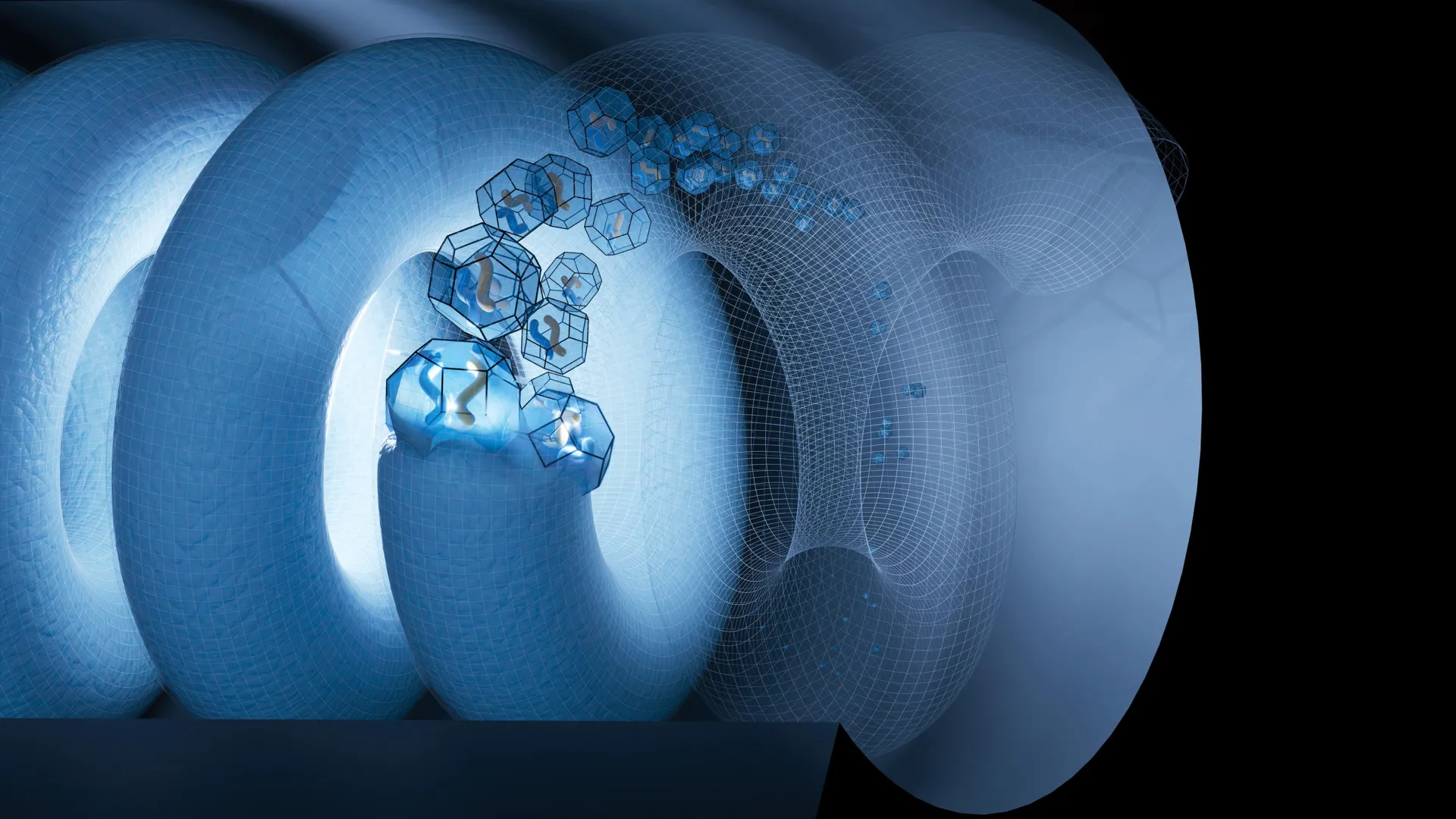
In a significant leap forward for oncology, researchers at the University of Waterloo have announced a groundbreaking new strategy to combat cancer. Their innovation involves engineering a common soil bacterium, Clostridium sporogenes, to effectively consume tumors from within. These anaerobic bacteria thrive in oxygen-deprived environments, making them uniquely suited to infiltrate and destroy the hypoxic core of solid tumors.
The Natural Affinity of Clostridium sporogenes for Tumors
Solid tumors are characterized by a chaotic and often inadequate blood supply, leading to regions of severe hypoxia (lack of oxygen) and an accumulation of dead cells. This creates a distinctive microenvironment that is inhospitable to many conventional treatments but paradoxically perfect for anaerobic bacteria like Clostridium sporogenes. These bacteria are obligate anaerobes, meaning they not only prefer but require an oxygen-free setting to proliferate. When introduced into the body, their spores naturally migrate towards these hypoxic, nutrient-rich tumor cores.
“Bacteria spores enter the tumor, finding an environment where there are lots of nutrients and no oxygen, which this organism prefers, and so it starts eating those nutrients and growing in size,” explained Marc Aucoin, a chemical engineering professor at Waterloo and co-author of a recent paper detailing the achievement published in the journal ACS Synthetic Biology. In a statement, he elaborated, “So, we are now colonizing that central space, and the bacterium is essentially ridding the body of the tumor.” This process of “eating” involves the bacteria metabolizing the necrotic cells and other available nutrients within the tumor, leading to its internal degradation and reduction in mass.
Addressing Treatment Limitations with “Bugs as Drugs”
This innovative approach holds immense promise as a potential alternative to the often toxic and limited array of existing cancer treatments, including chemotherapy, radiation therapy, and immunotherapy. Traditional therapies frequently come with severe side effects, can struggle to penetrate dense tumor masses, and may face resistance mechanisms developed by cancer cells. The idea of using “bugs as drugs” offers a targeted method that capitalizes on the unique biological characteristics of tumors.
Christopher Johnston, a genomic medicine researcher at the University of Texas who has investigated bacteria capable of invading and colonizing human tumors (though not involved in the Waterloo study), highlighted the broader implications in a 2024 statement. “Using ‘bugs as drugs’ offers a promising solution to overcome some of the challenges with traditional cancer therapies,” he noted. “Solid tumors, which account for the majority of adult cancers, can be notoriously treatment-resistant due to their complex microenvironment. But harnessing the unique abilities of certain microbes may give us a new way to tackle those barriers.” Beyond direct tumor destruction, bacteria have also been shown to powerfully stimulate the body’s immune system, triggering an anti-cancer response that could be crucial for long-term remission.
Engineering for Enhanced Efficacy: Overcoming Oxygen Sensitivity
While C. sporogenes naturally thrives in the anaerobic core of tumors, a significant hurdle emerged: as these bacteria multiply and expand towards the tumor’s periphery, they encounter areas with higher oxygen concentrations. This influx of oxygen can be lethal to obligate anaerobes, effectively halting their therapeutic action before the entire tumor is eradicated. To overcome this critical limitation, Aucoin and his team embarked on a genetic engineering endeavor.
As detailed in a 2023 study, the researchers genetically modified C. sporogenes to tolerate at least some level of oxygen. This crucial modification allows the bacteria to survive and continue their tumor-eating mission even in the slightly oxygenated regions near the tumor’s edges, ensuring a more complete and effective eradication of the cancerous mass. This adaptation represents a sophisticated blend of microbiology and genetic engineering, transforming a naturally limited organism into a more robust therapeutic agent.
Precision Control: Quorum Sensing for Targeted Activation
The team didn’t stop at oxygen tolerance. They further refined their engineered bacteria through a sophisticated biological control mechanism known as “quorum sensing.” Quorum sensing is a system of stimulus and response correlated to population density in bacteria. Essentially, bacteria use this mechanism to communicate with each other and coordinate their behavior based on their numbers. In this context, the researchers modified the bacteria so that the oxygen-resistant gene would only activate once the bacterial population had reached a sufficient density within the tumor. This ensures that the bacteria have adequately colonized the hypoxic core and established a strong foothold before venturing into more oxygenated zones, preventing premature activation of the oxygen-resistance mechanism and maximizing their destructive potential within the tumor.
This ingenious control mechanism, detailed in their more recent follow-up paper, also involved engineering the bacteria to produce a green fluorescent protein (GFP) as a signal. This GFP acts as a visual reporter, glowing green when the quorum-sensing mechanism has triggered the oxygen-resistance gene, thereby confirming that the bacteria have successfully multiplied, activated their therapeutic functions, and are actively working to destroy the tumor. “Using synthetic biology, we built something like an electrical circuit, but instead of wires we used pieces of DNA,” said co-author and Waterloo professor of applied mathematics Brian Ingalls, in a statement. “Each piece has its job. When assembled correctly, they form a system that works in a predictable way.”
Broader Landscape of Bacteria in Cancer Therapy
The concept of using bacteria to fight cancer is not entirely new, with historical precedents such as William Coley’s toxins in the late 19th century. However, modern genetic engineering has revolutionized the field, allowing for unprecedented precision and safety. The Waterloo research with C. sporogenes builds upon a growing body of work. For instance, a pair of studies published in 2024 demonstrated that engineered E. coli could be used to shrink tumors in mice, not by direct consumption, but often by delivering immunomodulatory agents or toxins directly into the tumor microenvironment. Similarly, scientists have also developed genetically engineered strains of Salmonella to specifically target and kill cancer cells, often by exploiting their natural tropism for tumors and their ability to induce immune responses.
Beyond direct lysis, bacterial therapies offer several distinct advantages. They can be engineered to produce and deliver a wide array of therapeutic payloads, including chemotherapy drugs, enzymes that activate pro-drugs, and immune-stimulating cytokines, directly into the tumor. This localized delivery minimizes systemic toxicity, a major drawback of conventional chemotherapy. Furthermore, the presence of bacteria within tumors can act as a potent immunostimulant, attracting immune cells and converting “cold” tumors (those largely ignored by the immune system) into “hot” ones, making them more susceptible to existing immunotherapies.
Navigating the Path to Clinical Reality: Challenges and Future Prospects
Despite these promising proof-of-concept studies in preclinical models, the journey from laboratory innovation to widespread clinical application is long and fraught with challenges. For now, scientists have only recently begun to thoroughly test the concept of using bacteria to treat cancer in humans. Key concerns revolve around safety, specificity, and efficacy. Ensuring that the engineered bacteria remain confined to the tumor and do not cause systemic infection or off-target effects is paramount. Strategies like using attenuated (weakened) bacterial strains, incorporating “suicide switches” that allow for their controlled elimination, and rigorous preclinical testing are essential to mitigate these risks.
The next critical step for the Waterloo team is to combine the innovations from their two recent papers – the genetic modification for oxygen resistance and the precision control afforded by quorum sensing – into a single, unified bacterial strain. Once this integrated bacterium is developed and thoroughly characterized, it will be advanced into pre-clinical trials, likely involving more complex animal models, to rigorously assess its safety, efficacy, and optimal dosage. If successful, these studies will pave the way for human clinical trials, bringing this revolutionary approach closer to patients.
The future of oncology may well lie in harnessing the power of the microbial world. By understanding and intelligently engineering bacteria, scientists are opening new avenues for highly targeted, less toxic, and potentially more effective cancer treatments, offering renewed hope for millions affected by this devastating disease.
More on bacteria: Scientists Printed Viruses Designed by AI and They’re Successfully Reproducing