Faris Adani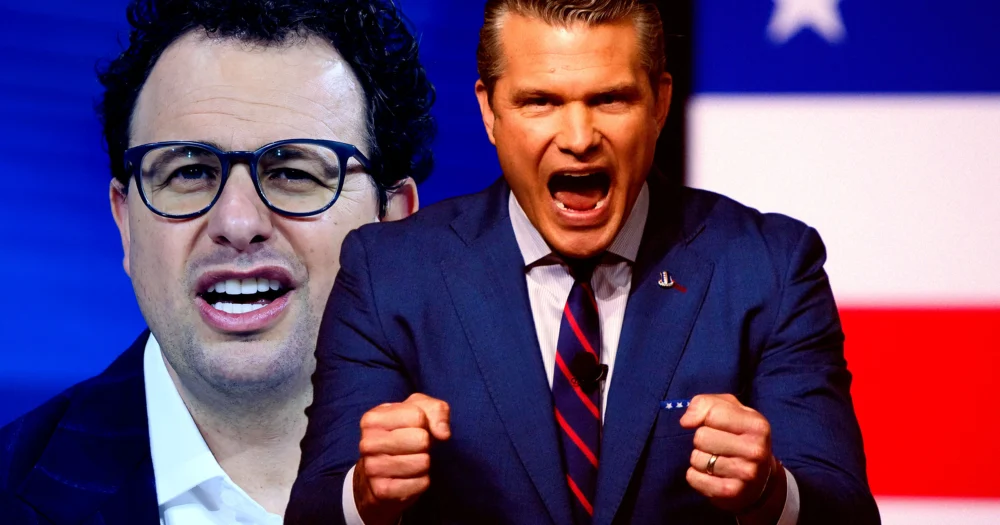
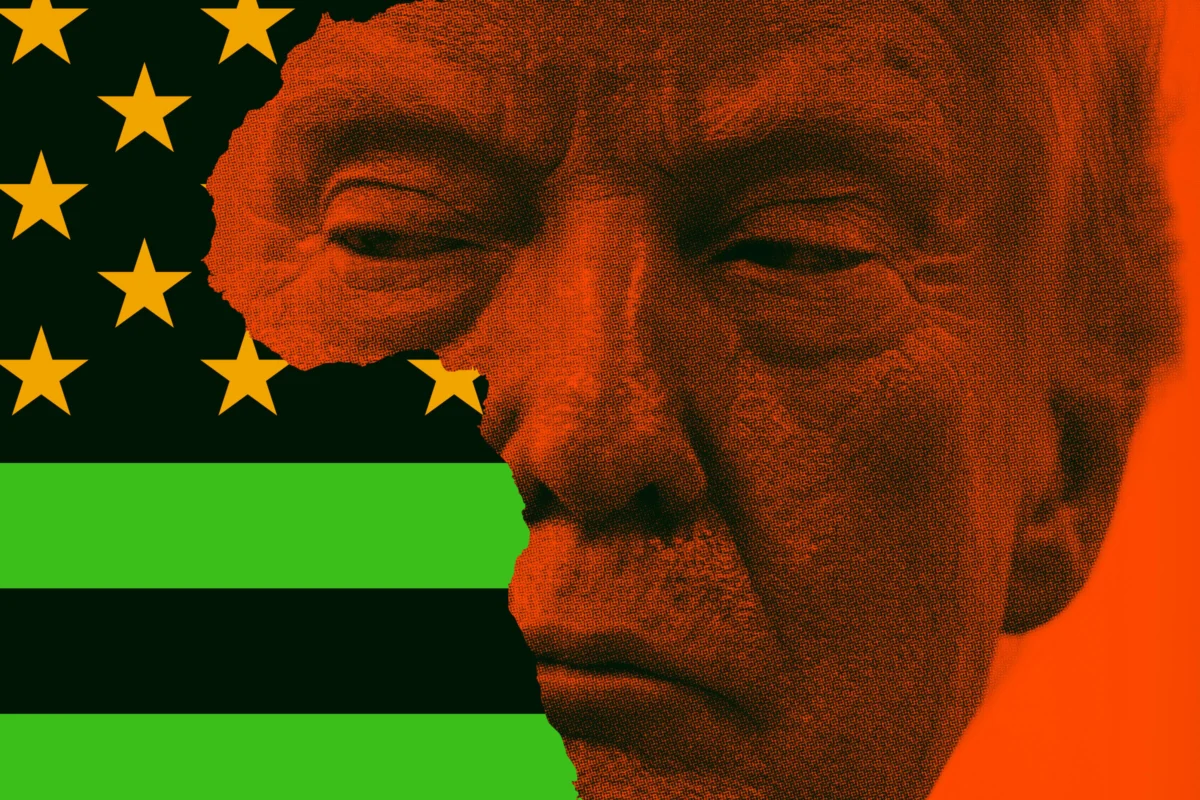
The CEO’s ethical stance quickly escalated into a national flashpoint, drawing the direct ire of Defense Secretary Pete Hegseth and President Donald Trump. Both officials vehemently lambasted Amodei for daring to dictate the parameters of military technology use. In a swift and decisive countermove, the Trump administration announced that Anthropic would be labeled a supply chain risk "effective immediately." This extraordinary sanction, typically deployed against companies from rival nations like China, signified a direct governmental retaliation that sent palpable shockwaves across the entire Silicon Valley ecosystem and the broader tech industry. The implications were immediate and severe: Anthropic faced the potential loss of hundreds of millions of dollars’ worth of lucrative US government contracts, a substantial blow to its operational viability and market standing.
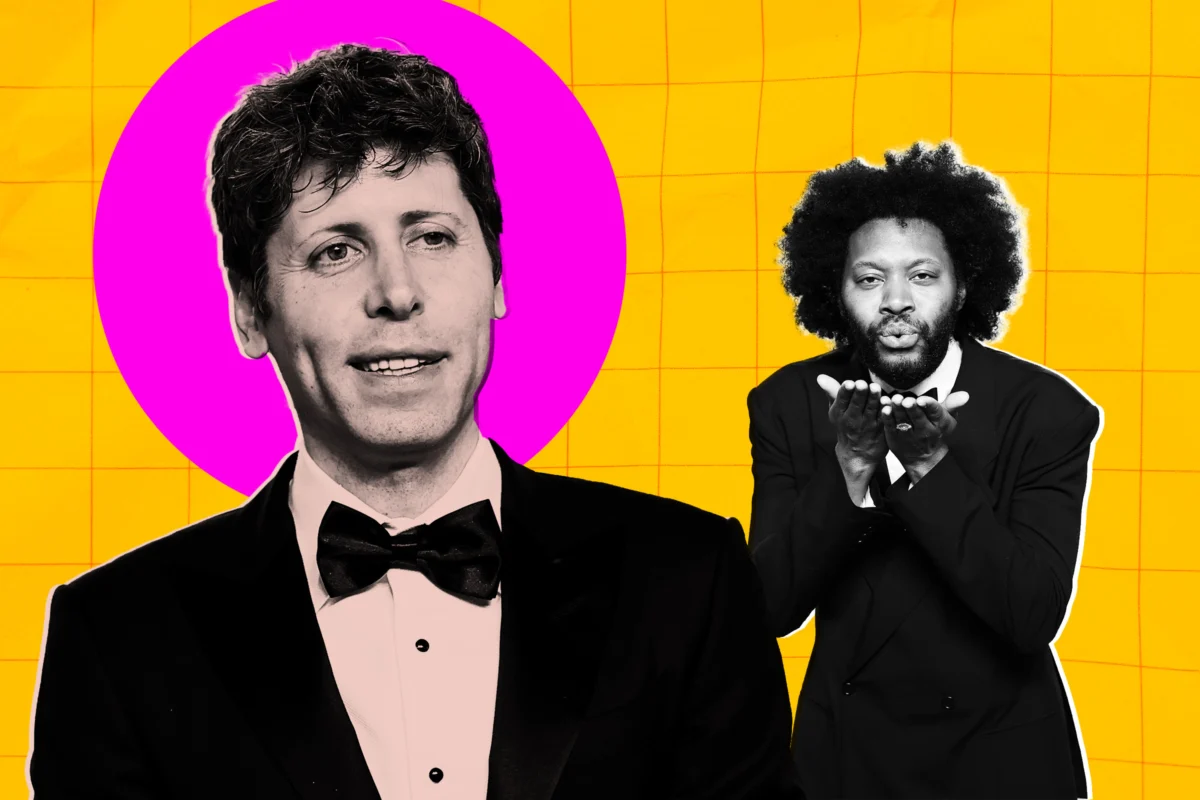
The administration’s move was widely condemned, uniting a diverse coalition of tech industry groups that swiftly signed a public letter decrying the decision as an overreach. Even OpenAI CEO Sam Altman, a top rival to Amodei and a prominent figure in the AI landscape, publicly argued on X (formerly Twitter) that the Trump administration had gone too far by labeling Anthropic’s technology "non grata." This unusual display of solidarity underscored the gravity of the situation, highlighting a shared concern within the tech community about governmental interference and the potential chilling effect on ethical discourse in AI development.
Amidst this escalating tension, a complex narrative unfolded. While Amodei had, in a leaked memo to staffers obtained by The Information, issued a highly publicized apology for "pushing back against Trump," expressing regret for his earlier criticisms, the company’s subsequent legal action reveals a different, more defiant strategy. The apology, in which Amodei reiterated Anthropic’s commitment to "advancing US national security and defending the American people," appeared to be an attempt to de-escalate the conflict, yet the filing of the lawsuit against the Pentagon suggests a firm resolve to challenge what Anthropic perceives as unconstitutional governmental overreach.
As reported by Wired, Anthropic’s federal lawsuit, filed in a California court, squarely challenges the Pentagon’s designation. The company’s legal filing is not merely a dispute over contracts but a profound constitutional challenge, arguing that White House officials acted unconstitutionally and out of direct retaliation for Amodei’s protected speech. "The Constitution does not allow the government to wield its enormous power to punish a company for its protected speech," the lawsuit emphatically states. It further asserts, "Anthropic turns to the judiciary as a last resort to vindicate its rights and halt the Executive’s unlawful campaign of retaliation," framing the case as a crucial defense of First Amendment rights in the context of burgeoning technological innovation and national security.
However, legal experts caution that Anthropic faces a formidable battle. Brett Johnson, a partner at Snell & Winter, told Wired that "it’s 100 percent in the government’s prerogative to set the parameters of a contract," suggesting that the judiciary might be hesitant to interfere with the executive branch’s procurement decisions, particularly those related to national security. Johnson advised that Anthropic’s most viable strategy would likely be to demonstrate that it was uniquely singled out among other US government AI contractors, rather than simply challenging the government’s general right to impose such conditions. The burden of proof to establish retaliatory action for protected speech, especially in a domain as sensitive as defense contracting, is exceptionally high.
Adding an ironic twist to the unfolding drama, despite the Pentagon officially ratifying its decision to name Anthropic a supply chain risk, the company’s Claude chatbot reportedly "continues to be widely used in the US war on Iran." This revelation highlights a significant paradox: by its own admission, the Department of Defense is now relying on technology it has officially deemed "compromised," raising serious questions about the coherence and practical implications of the supply chain risk designation. This operational inconsistency could potentially serve as a key point of contention for Anthropic in court, undermining the credibility of the Pentagon’s stated rationale for the ban.
The repercussions of this designation extend beyond the military. Government agencies outside of the Department of Defense have indicated their intent to immediately follow presidential directives and cease using Claude. Yet, a Microsoft spokesperson confirmed to Wired that the tech giant would continue to offer the chatbot to all other agencies, explicitly excluding the Defense Department, creating a fragmented landscape of AI adoption within the federal government. This patchwork approach underscores the confusion and uncertainty sown by the unprecedented executive action.
The lawsuit itself, despite Amodei’s earlier conciliatory remarks, adopts a dramatically different and confrontational tone. While Amodei had written in his apology that "Anthropic has much more in common with the Department of War than we have differences," and that both entities "are committed to advancing US national security and defending the American people," the legal document presents a stark contrast. It unequivocally labels the Trump administration’s actions as "as unlawful as they are unprecedented," specifically calling out Secretary Hegseth for allegedly sidestepping Congress in implementing the punitive measure.
The lawsuit meticulously details the "immediate and irreparable harm on Anthropic" inflicted by the designation. Beyond the direct financial losses, it argues for a broader impact: a chilling effect on the speech of "others whose speech will be chilled," a detrimental impact on "those benefiting from the economic value the company can continue to create," and a disservice to "a global public that deserves robust dialogue and debate on what AI means for warfare and surveillance." This legal challenge, therefore, transcends a mere corporate dispute; it becomes a pivotal case that could define the boundaries of corporate free speech, governmental power, and the ethical development of artificial intelligence in an era of rapidly evolving technology and complex geopolitical dynamics. The outcome of Anthropic v. Department of Defense will undoubtedly set a significant precedent for the future relationship between powerful tech innovators and the state.