isnaini azizah
In a groundbreaking advancement, an experimental surgical procedure is offering a beacon of hope to individuals who have undergone treatment for bowel or rectal cancer, enabling them to have children. This innovative technique addresses the often-devastating fertility side effects of radiation and chemotherapy, which can severely damage the uterus and ovaries, making natural conception and pregnancy impossible. Surgeons are pioneering a method that involves temporarily repositioning these vital reproductive organs during cancer treatment, and then restoring them to their original place once the therapy is complete. This remarkable approach has already led to successful births, demonstrating its potential to redefine fertility preservation for cancer survivors.
The efficacy of this surgical intervention was recently highlighted by a report from Switzerland, where a baby boy named Lucien was born after his mother underwent the procedure. This marked the fifth successful birth following this surgery and the first in Europe, according to Dr. Daniela Huber, the gyno-oncologist who performed the operation. Since then, at least three more babies have been born, as confirmed by Dr. Reitan Ribeiro, the surgeon who pioneered the procedure. Their detailed accounts shed light on the intricate process and its life-changing impact.
One compelling case involved a 28-year-old woman diagnosed with a four-centimeter tumor in her rectum. Doctors at Sion Hospital in Switzerland recommended a treatment regimen that included chemotherapy and radiotherapy, followed by surgical removal of the tumor. Dr. Huber explained that while radiation therapy is crucial for eradicating cancer cells, it can also cause significant damage to pelvic organs, including the ovaries and uterus. Although egg freezing is an option for preserving fertility, the damage to the uterus can render it incapable of carrying a pregnancy. This is because radiation can impair the uterine lining, hindering embryo implantation, and compromise the muscular elasticity of the uterus, preventing it from expanding to accommodate a growing fetus.
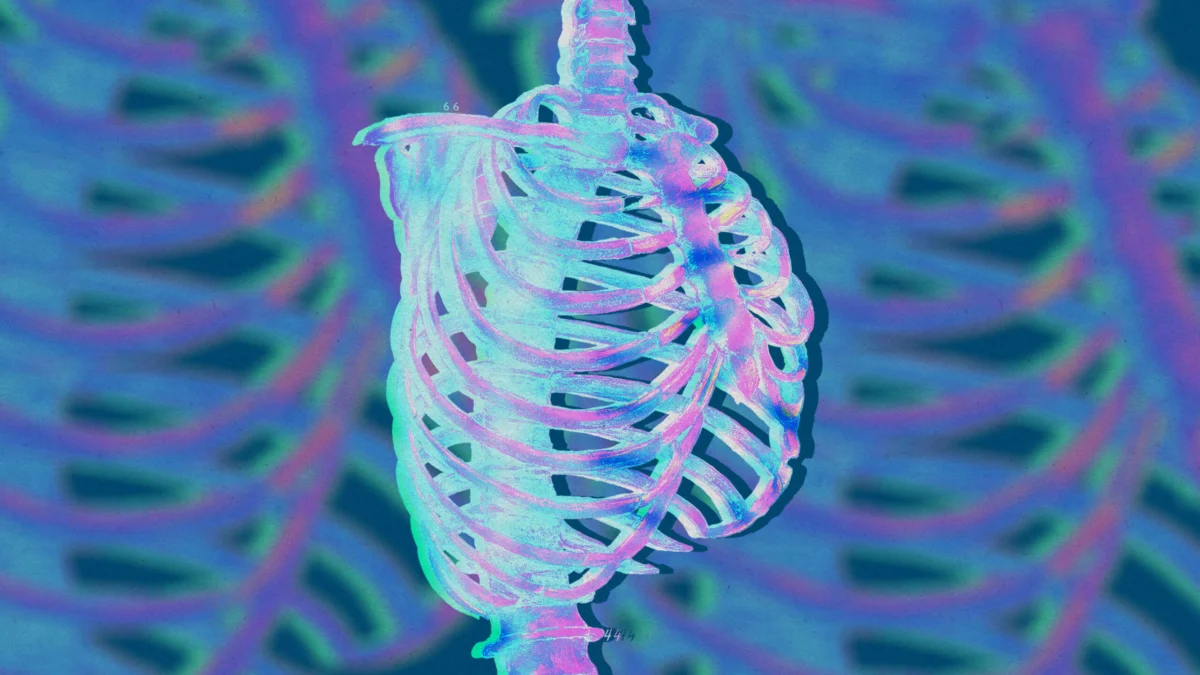
In this particular patient’s case, she opted to freeze her eggs. However, the possibility of using these eggs for future pregnancies was complicated by the fact that surrogacy is illegal in Switzerland. Recognizing the patient’s desire to have children, Dr. Huber proposed an alternative based on the pioneering work of Dr. Ribeiro. Dr. Ribeiro, a gynecologist oncologist formerly associated with Erasto Gaertner Hospital in Curitiba, Brazil, had developed a novel surgical technique. This procedure involved carefully dissecting the uterus, fallopian tubes, and ovaries from their pelvic location and temporarily relocating them to the upper abdomen, beneath the rib cage.
Dr. Ribeiro and his team published their initial case report in 2017, detailing the successful application of this technique in a 26-year-old woman with a rectal tumor. Dr. Ribeiro, now based at McGill University in Montreal, recounted that this patient had been informed by multiple physicians that her cancer treatment would irrevocably destroy her fertility, and she had implored him to find a solution. Dr. Huber recalled witnessing Dr. Ribeiro present this case at a conference, immediately recognizing its relevance to her own patient. As a surgeon experienced in hysterectomies, she felt confident in her ability to perform the procedure. The patient readily agreed to the novel approach.
Dr. Huber admitted that her colleagues at Sion Hospital were initially apprehensive due to the unfamiliarity of the procedure. "When I presented this idea to the general surgeon, he didn’t sleep for three days," she shared. However, after reviewing videos of Dr. Ribeiro’s team’s work, they became convinced of its feasibility. Consequently, before the patient commenced her cancer treatment, Dr. Huber and her team performed the surgery. The reproductive organs were meticulously stitched to the abdominal wall. Dr. Huber described it as a "delicate dissection" but not the most technically challenging procedure, with the surgery lasting approximately two to three hours. The sutures were removed about a week later through small incisions, by which time scar tissue had formed to create a stable attachment.
The patient was given two weeks to recover from the surgery before beginning her cancer treatment. This treatment proved successful, with the tumor shrinking significantly within months, becoming undetectable on medical scans. As a precautionary measure, the affected section of her colon was surgically removed. Simultaneously, the scar tissue anchoring the uterus, tubes, and ovaries in their elevated position was released, and the organs were carefully returned to their original pelvic location.
Approximately eight months later, the woman discontinued contraception and conceived naturally, without the need for in vitro fertilization (IVF). She experienced a largely healthy pregnancy, although around the seventh month, signs emerged indicating that the fetus was not growing as expected, potentially due to placental blood supply issues. Despite this concern, the baby was born healthy.
Dr. Ribeiro stated that he has performed this surgery a total of 16 times, and that medical teams in various countries, including the United States, Peru, Israel, India, and Russia, have also adopted the procedure. While not all cases have been formally published, he estimates that around 40 such surgeries have been performed globally.
Since the birth of Baby Lucien last year, a sixth birth following the procedure has been reported in Israel, according to Dr. Huber. Dr. Ribeiro added that he has been made aware of two additional births since then. The most recent success story belongs to the very first woman to undergo the procedure, who recently gave birth to a baby girl.
It is important to acknowledge that no surgical procedure is entirely without risk. Dr. Huber pointed out the potential for organ damage during the surgery or the possibility of a more advanced cancer spreading. In one of Dr. Ribeiro’s patients, the uterus did not survive following the surgery. Dr. Huber emphasized that the medical community is "still in the phase of collecting data to [create] a standardized procedure." Nevertheless, she expressed her hope that this surgery will provide expanded options for young individuals diagnosed with certain pelvic cancers. "I hope more young women could benefit from this procedure," she stated.
Dr. Ribeiro’s experience has instilled in him a commitment to challenging the status quo. "Everyone was saying… there was nothing to be done [about the loss of fertility in these cases]," he recalled. "We need to keep evolving and looking for different answers." This pioneering surgical technique represents a significant step forward in preserving fertility for cancer survivors, offering them the profound possibility of experiencing parenthood.