anjir abdul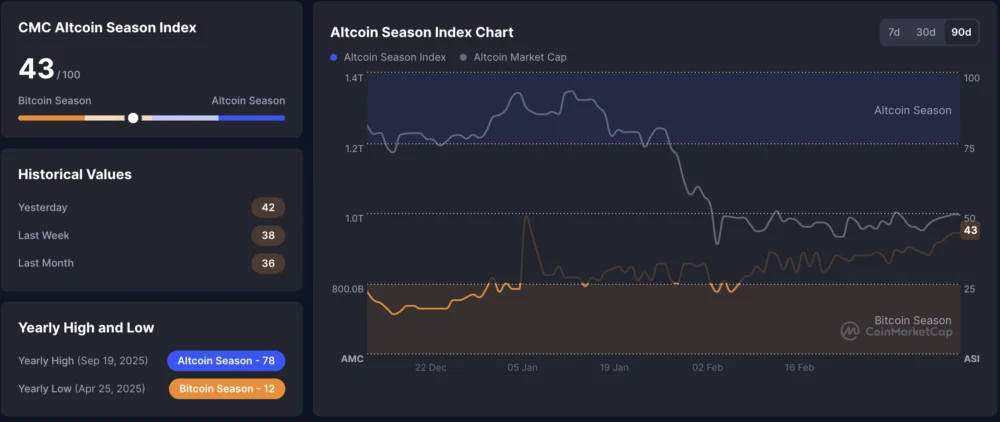
Grachev articulated to Cointelegraph that the primary culprits behind the demise of the traditional altseason include an unprecedented proliferation of tokens fiercely competing for finite capital and investor attention, a more concentrated pool of influential market participants, and the transformative impact of crypto exchange-traded funds (ETFs) which are effectively absorbing and redirecting liquidity. This confluence of forces has created an environment where broad-based rallies are increasingly improbable, replaced by more discerning and selective capital allocation.
The sheer volume of new digital assets entering the market is a critical component of this shift. Data from CoinMarketCap underscores this explosion, showing the total number of crypto tokens tracked surging to over 37.8 million unique tokens since 2023. This exponential growth, from mere thousands a few years ago, presents an insurmountable challenge for capital to keep pace. Each new token, regardless of its underlying utility or innovation, demands a slice of the limited investment pie and a portion of investors’ increasingly fragmented mindshare. This oversaturation dilutes liquidity across the ecosystem, making it difficult for even promising projects to gain significant traction without substantial, targeted investment. The ease with which new tokens can be created, often with minimal barriers to entry, has exacerbated this "too many tokens" problem, leading to a market awash with projects ranging from genuine innovations to speculative ventures and outright "casino-style plays."
Furthermore, the nature of market participation has evolved. While the overall number of crypto users might be growing, the effective pool of investable capital, particularly institutional capital, is becoming more concentrated. Traditional finance institutions entering the space often operate with stricter mandates and a higher bar for due diligence, leading them to favor established, liquid assets. This "smaller number of market participants" effectively refers to the shrinking pool of capital willing to engage in high-risk, broad-spectrum altcoin speculation.
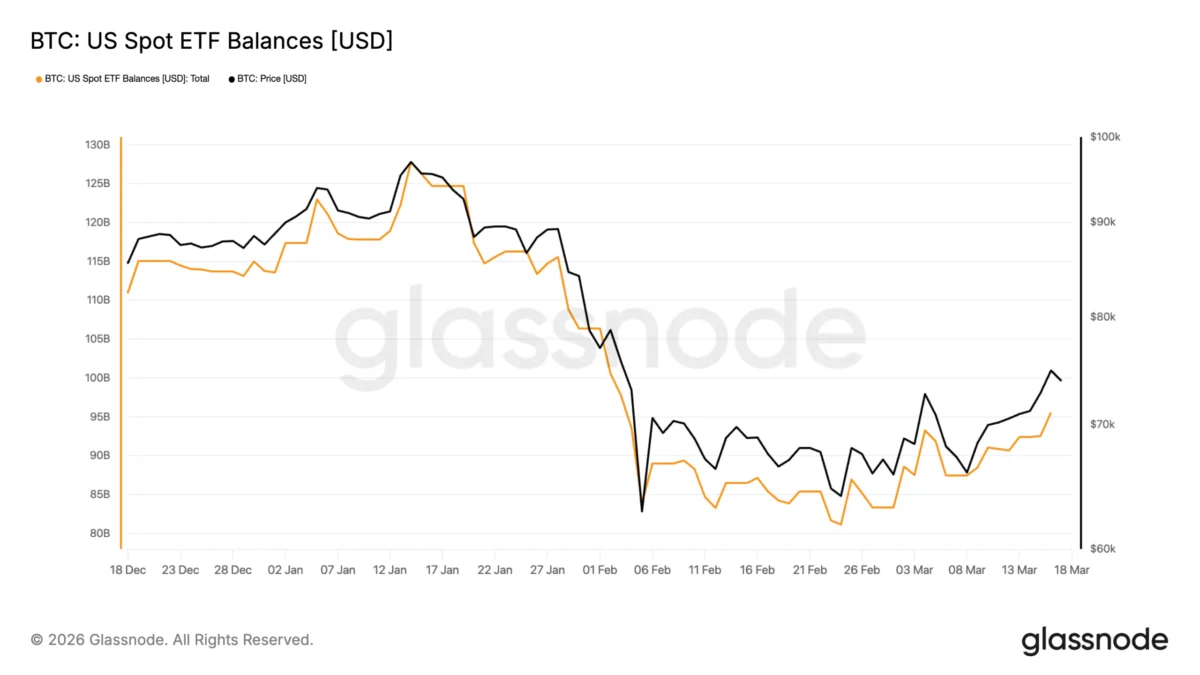
Perhaps the most significant structural change cited by Grachev is the emergence of crypto exchange-traded funds (ETFs). Specifically, the approval and success of spot Bitcoin ETFs in the United States have fundamentally altered market dynamics. These regulated investment vehicles provide a familiar, accessible, and often preferred gateway for institutional and traditional investors to gain exposure to cryptocurrencies without the complexities of direct ownership, custody, or navigating decentralized exchanges. By channeling substantial inflows into Bitcoin, these ETFs effectively "trap liquidity" that might have otherwise flowed into the broader altcoin market. Institutions, by their nature, prioritize regulated products and large-cap assets, thereby diverting capital away from the more volatile and less regulated altcoin landscape. This institutional preference is likely to extend to Ethereum ETFs if they are approved, further solidifying the dominance of blue-chip crypto assets.

Beyond ETFs, an overarching institutional focus on large-cap digital assets like Bitcoin (BTC) and Ether (ETH) is a major force diverting capital and attention. Bitcoin is increasingly viewed as "digital gold" or a store of value, while Ether is the foundational asset for the vast decentralized finance (DeFi) and non-fungible token (NFT) ecosystems. These assets offer a combination of liquidity, established network effects, and a clearer investment thesis compared to the myriad of smaller altcoins. Alongside these giants, the burgeoning interest in tokenized real-world assets (RWAs) is also drawing significant capital. RWAs, which represent tangible assets like real estate, commodities, or financial instruments on a blockchain, appeal to institutions seeking yield-bearing opportunities and diversification within the digital asset space, often with a perceived lower risk profile than speculative altcoins. This institutional pivot towards established crypto assets and tangible, blockchain-enabled value propositions leaves a significantly reduced pool of capital for the broader altcoin market.
Grachev painted a stark picture for the future of the long tail of tokens. "The long tail of tokens will still exist, but will largely function as high-risk venture or casino-style plays. The capital is not going to keep expanding fast enough to support all of it," he asserted. This implies that while new projects will continue to emerge, their success will be less about riding a general market wave and more about exceptional innovation, strong fundamentals, and targeted niche appeal. He elaborated on the consequences of this new reality: "That means shorter narrative windows, more violent rotations, and less room for weak projects to survive on hype alone. The market is moving away from broad altcoin rallies and toward more selective moves in specific sectors." This signifies an environment where investor patience will be thinner, market cycles for individual altcoins will be compressed, and only projects with genuine utility, robust technology, and sustainable tokenomics will thrive. Hype-driven pumps, once a staple of altseasons, will become fleeting and increasingly risky. Instead of a rising tide lifting all boats, capital will flow surgically into specific narratives or sectors demonstrating strong growth, innovation, or adoption, such as AI-related tokens, particular DeFi protocols, or specific Layer 2 solutions.
This sentiment is echoed by other prominent figures in the crypto investment space. Matt Hougan, the chief investment officer at investment firm Bitwise, has also publicly stated that "traditional altcoin cycles are over." Hougan highlighted that institutional investors are increasingly focused on yield-bearing digital instruments or crypto assets that capture real revenue, indicating a shift from purely speculative plays to investments based on fundamental value and sustainable economic models. This aligns with the broader maturation of the crypto market, moving from a frontier asset class to one where traditional financial metrics and investment principles are gaining prominence.
The market data further substantiates these claims of a struggling altcoin sector. CryptoQuant analyst Darkfost revealed that a staggering 38% of altcoins are currently trading near their all-time lows. This situation, he noted, is even worse than the aftermath of the FTX market crash, which was a systemic shock that caused widespread panic and liquidity issues. The current environment, however, suggests a more insidious, fundamental issue: a persistent drainage of liquidity exacerbated by the sheer number of competing projects. "Liquidity is becoming increasingly diluted by the growing number of projects and tokens entering the market," Darkfost explained, painting a picture of a market stretched thin.
The altcoin market cap has indeed taken a significant beating. Over the last 13 months, a massive $209 billion has exited the altcoin market. While the altcoin market cap briefly touched a high of $1.19 trillion in October 2025 (a projection from the article’s original context, implying a period of strong performance), it subsequently plunged to approximately $719 billion following a market crash. This substantial contraction underscores the vulnerability of the broader altcoin sector to market corrections and the ongoing rotation of capital. The "altseason indicator" on CoinMarketCap, which typically tracks the percentage of altcoins outperforming Bitcoin over a 90-day period, consistently shows Bitcoin dominance, signaling a sustained period where Bitcoin is the primary driver of market sentiment and returns.

In stark contrast to the struggling altcoin market, inflows into Bitcoin ETFs have remained robust, recording several consecutive days of positive inflows, according to data from fund manager Farside Investors. This sustained institutional interest in Bitcoin through regulated vehicles stands in stark opposition to the continued bleed experienced by altcoin-focused funds, which continue to register outflows. This divergence vividly illustrates the shift in investor preference and the evolving landscape of crypto capital allocation.
Historically, altseasons were often fueled by retail euphoria, the proliferation of initial coin offerings (ICOs) in 2017, the DeFi summer of 2020, or the NFT boom of 2021. These periods saw significant capital flow into a wide array of alternative cryptocurrencies, often driven by speculative narratives and the hope of exponential gains. However, the current market is vastly different. It is more mature, more regulated, and increasingly influenced by sophisticated institutional players who prioritize risk management, liquidity, and fundamental value over speculative fervor. The days of simply buying a basket of altcoins and expecting a broad market rally appear to be behind us.
The implications for retail investors are profound. The new crypto market demands a more discerning approach, moving beyond simplistic "buy the dip" strategies for a vast array of tokens. Investors must now conduct more rigorous due diligence, focusing on projects with clear utility, strong development teams, sustainable tokenomics, and actual adoption. The emphasis will shift from speculative plays to strategic investments in specific sectors or projects that demonstrate genuine innovation and long-term viability. While opportunities for significant returns will undoubtedly persist in the altcoin space, they will be concentrated in fewer, higher-quality projects and will likely require a deeper understanding of market dynamics and sector-specific trends. The "altseason" as a broad, encompassing market phenomenon may indeed be a relic, but the era of selective, fundamentally driven altcoin investment is just beginning.