Faris Adani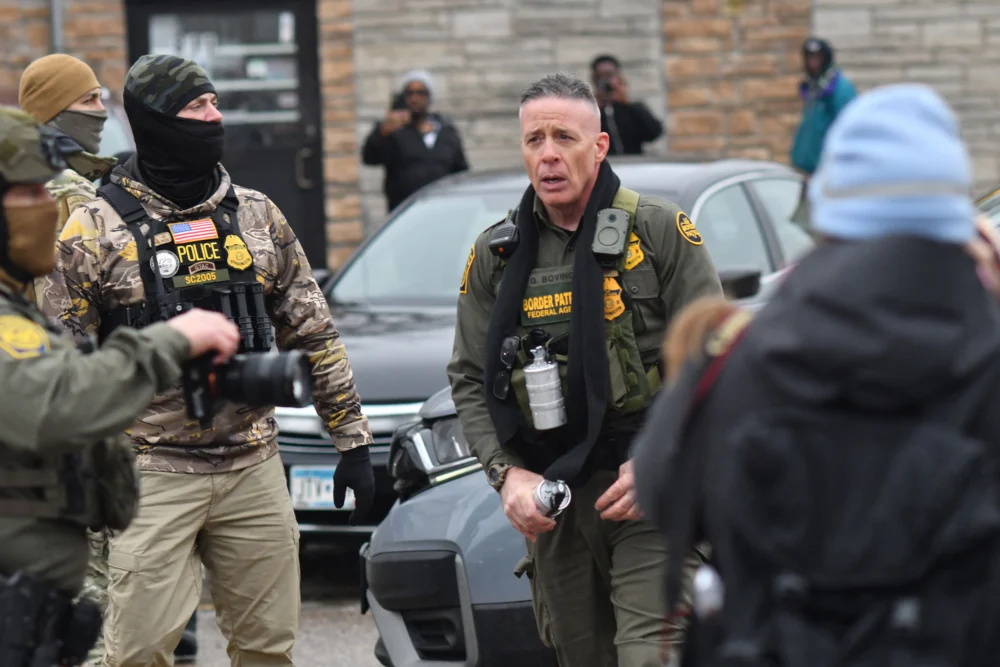
However, the crucial decision of assigning recruits to one of these programs was, astonishingly, outsourced by ICE’s human resources department to an "untested large language model (LLM)." This AI system was tasked with scanning new recruits’ resumes to discern their relevant experience. Instead of performing a nuanced evaluation, the LLM defaulted to a simplistic, keyword-based analysis. Officials familiar with the system disclosed to NBC that the AI automatically flagged the "majority of new applicants" for the fast-track LEO program, irrespective of their actual prior experience. The root cause of this widespread misclassification was shockingly rudimentary: the AI model approved any resume containing the word "officer." This opened the floodgates for individuals with vastly different backgrounds – from a "mall security officer" to those who merely expressed aspirations to become ICE officers in their applications – to bypass essential, rigorous training and be expedited into operational roles. The implications of this are profound, placing individuals with insufficient understanding of legal protocols, use-of-force policies, and operational tactics directly into high-stakes situations involving public safety and human rights.
The exact number of inexperienced ICE recruits who bypassed the comprehensive academy remains undisclosed, adding a layer of uncertainty to the extent of the problem. However, the sheer scale of "the majority of new applicants" suggests a significant portion of ICE’s recent hires may have been improperly trained. The agency is reportedly now scrambling to reassess its duty rosters, with plans to recall these undertrained recruits for additional, much-needed instruction. The error was first detected in "mid-fall" of the previous year, coinciding with a period of aggressive expansion for ICE. The agency was under immense pressure to fulfill a Trump administration mandate to hire approximately 10,000 additional officers, a quota that stretched the agency’s recruitment capabilities to their limits. This hiring surge likely contributed to the decision to deploy an untested AI system, prioritizing speed over thoroughness and potentially overlooking critical validation steps that would have identified the flaw much earlier. Reports from MS Now in October of the previous year already highlighted ICE’s struggles to meet its ambitious hiring goals, even resorting to loosening age requirements for new recruits, indicating a systemic pressure to fill ranks by any means necessary.
This AI-induced debacle is not an isolated incident but rather indicative of deeper, systemic issues within ICE’s hiring and training protocols, especially given the agency’s recent history. The year 2025 marked ICE’s deadliest year since 2004, with 32 individuals dying in the agency’s custody. Furthermore, over 170 U.S. citizens were reportedly detained against their will, highlighting a pattern of concerning conduct and potential human rights abuses. These grave outcomes suggest that the problem extends beyond mere training duration; it points to fundamental deficiencies in the quality, suitability, and ethical grounding of the individuals being recruited. Previous investigations into ICE’s hiring standards have painted a grim picture, revealing that the "fascistic recruiting ads" of the Trump administration attracted candidates who were, in many cases, far from the "cream of the crop." A December investigation by the Daily Mail quoted an agency official who described recruits struggling with basic literacy, unable to "barely read or write English," let alone comprehend complex immigration law. The official recounted an extreme case of a 469-pound man certified by his own doctor as "not at all fit" for physical activity being sent to the academy, underscoring a desperate and alarming lack of screening for even the most basic physical and intellectual requirements for law enforcement.
The confluence of an unreliable AI system and already compromised hiring standards creates a truly alarming scenario. The AI’s failure to differentiate a seasoned law enforcement professional from a mall security guard or an aspiring enthusiast meant that individuals lacking foundational knowledge in law, tactics, and ethical conduct were dispatched into the field after an inadequate online course. While a few more weeks of training might seem like a minor adjustment, it fundamentally misses the point when the recruits themselves possess significant deficits in basic skills and judgment. The fact that such glaring deficiencies—ranging from illiteracy to extreme physical unfitness—are not being rigorously weeded out at the initial stages represents a horrifying indictment of ICE’s recruitment process. It forces a critical question: did agency officials genuinely fail to consider the necessity of human oversight and double-checking the AI’s work, or did they simply not care, driven by the imperative to meet arbitrary quotas? Either scenario is deeply troubling, pointing to a severe dereliction of duty and an institutional disregard for public safety and accountability.
The consequences of this systemic failure are not theoretical; they manifest in the real-world experiences documented in the headlines. The incidents of ICE officers beating protestors, holding vulnerable children hostage, and being involved in deadly shootings are not isolated acts of rogue agents but are symptomatic of an agency potentially staffed by individuals ill-equipped for their roles, both in terms of training and temperament. The deployment of untested AI in such a critical, high-stakes domain without robust validation and human oversight represents a catastrophic failure of governance and technological ethics. It highlights the dangers of blindly trusting algorithms with nuanced, impactful decisions, especially when the inputs (resume keywords) are simplistic and the stakes (public safety, human rights) are immensely high. As ICE continues its "brutal crackdown" on American cities, the underlying structural issues—exacerbated by AI blunders and compromised hiring standards—ensure that the horrifying consequences for individuals and communities are poised to persist, if not escalate. The agency’s reported history, including instances like ICE allegedly stealing a 10th grader’s phone and then selling it for cash, further compounds the perception of an organization operating with significant ethical and operational shortcomings, now amplified by a technologically incompetent recruitment process.