isnaini azizah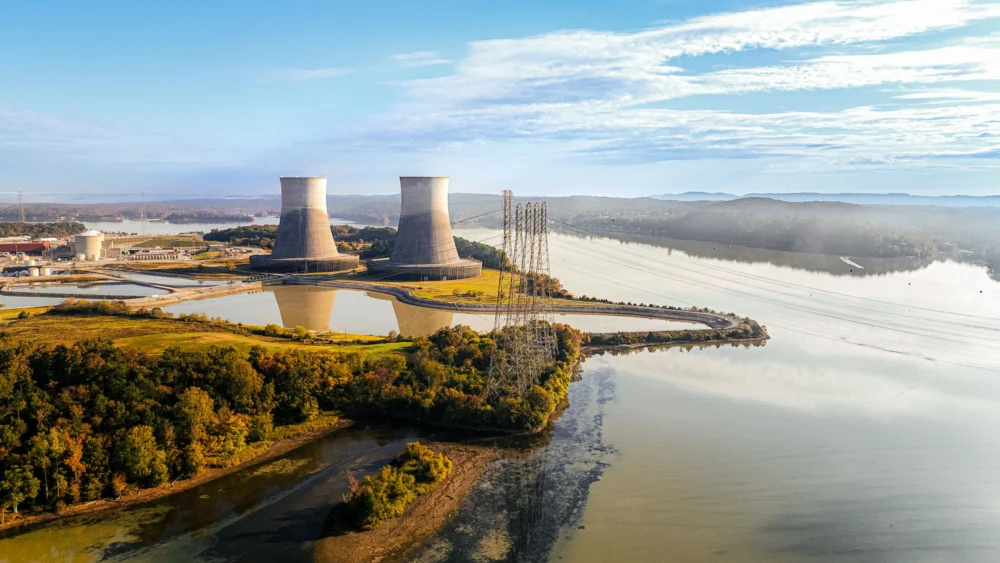
The world of climate and energy is experiencing a pivotal moment, marked by the anticipated breakthroughs of three transformative technologies in 2026: sodium-ion batteries, next-generation nuclear reactors, and hyperscale AI data centers. These advancements, detailed in MIT Technology Review’s "Breakthrough Technologies 2026" list, signal a significant shift in how we approach energy storage, power generation, and the burgeoning demands of artificial intelligence, underscoring a dynamic period for climate innovation.
Sodium-Ion Batteries: A Greener, More Accessible Energy Storage Solution
For years, the energy sector has been heavily reliant on lithium-ion batteries, the ubiquitous powerhouses behind electric vehicles (EVs), personal electronics, and vast grid-scale storage systems. However, the inherent limitations and volatile market of lithium have spurred an urgent global race to discover and implement viable alternatives. Sodium-ion batteries are emerging as a leading contender, poised to redefine energy storage in 2026.
The fundamental advantage of sodium-ion technology lies in the sheer abundance of sodium. Unlike lithium, which is a relatively scarce element with a geographically concentrated supply chain, sodium is readily available across the globe. This inherent accessibility translates directly into the potential for significantly cheaper battery production. Furthermore, sodium-ion batteries are generally considered to have a lower fire risk compared to their lithium-ion counterparts, offering an added layer of safety for both consumer and industrial applications.
While sodium-ion batteries may not achieve the same energy density as lithium-ion cells—meaning they might not be able to store as much energy in the same physical space—this limitation is not a universal dealbreaker. For applications like grid-scale energy storage, where space is often less of a constraint and cost-effectiveness is paramount, the lower energy density is a minor trade-off for significant cost savings and enhanced safety. Similarly, for smaller EVs or specific consumer electronics, the performance differential may be negligible.
The surge of interest in sodium-based batteries has been particularly pronounced in China, a global leader in battery manufacturing and innovation. Major companies there have been heavily investing in research and development, and the fruits of these efforts are now beginning to materialize. CATL, a titan in the battery industry, has announced its intention to begin large-scale manufacturing of sodium-ion batteries in 2025, indicating that this technology is rapidly moving from laboratory concept to commercial reality, with widespread adoption expected to accelerate in 2026 and beyond. This transition promises to democratize access to advanced energy storage, making renewable energy integration more affordable and accessible globally.
Next-Generation Nuclear Reactors: A Resurgent Path to Reliable, Low-Carbon Power
Nuclear power has long been a cornerstone of reliable, consistent electricity generation for grids worldwide. However, the traditional model of constructing massive, multi-billion dollar nuclear power plants has faced significant challenges in recent decades. Escalating costs, extensive construction timelines, and complex regulatory hurdles have plagued new projects, leading to budget overruns and considerable delays, particularly in countries with established nuclear fleets.
Against this backdrop, 2026 is set to witness a significant resurgence and evolution in nuclear technology, often referred to as "next-generation nuclear." This encompasses a diverse range of innovative approaches aimed at overcoming the historical limitations of conventional reactors. One of the most prominent trends is the development and deployment of Small Modular Reactors (SMRs). These smaller, factory-built units offer a more streamlined and cost-effective path to nuclear power. Their reduced scale is intended to simplify financing, expedite construction, and enhance overall project predictability.
Beyond size, significant advancements are also being made in the fundamental design and operational aspects of nuclear reactors. Companies are exploring novel reactor architectures that utilize alternative fuels, such as advanced uranium or thorium cycles, and innovative coolants beyond water, including molten salts or liquid metals. These modifications are designed to improve the efficiency of heat transfer, enhance safety features, and potentially reduce the generation of long-lived radioactive waste. The goal is to create reactors that are not only safer and more efficient but also more adaptable to varying energy demands.
The United States is actively participating in this nuclear renaissance. Kairos Power recently achieved a significant milestone by becoming the first U.S. company to receive regulatory approval to commence construction on a next-generation reactor project aimed at electricity production. Concurrently, China is emerging as a formidable force in nuclear innovation. Reports indicate that the country’s national nuclear corporations are actively engaged in the development of multiple next-generation reactor designs, signaling a strategic national commitment to this advanced energy source. The progress in 2026 is expected to showcase a more agile, efficient, and potentially more widely deployable form of nuclear power, crucial for meeting ambitious decarbonization targets.
Hyperscale AI Data Centers: The Energy Nexus of the Artificial Intelligence Revolution
While not strictly a "climate technology" in the traditional sense, the explosive growth of hyperscale AI data centers is inextricably linked to climate and energy concerns, making their impact in 2026 a critical consideration. The unprecedented demand for computational power driven by the AI boom has led to the construction of data centers of immense scale, each requiring a staggering amount of energy.
These new supersize facilities are pushing the boundaries of power consumption, with some individual centers demanding a gigawatt or more of electricity—a power output comparable to that of an entire conventional nuclear power plant. This immense energy appetite presents significant challenges for grid stability, renewable energy integration, and overall carbon emissions. The sheer scale of these operations has already begun to spark significant public pushback in various regions, highlighting the urgent need for sustainable solutions.
It is important to acknowledge that the "Breakthrough Technologies" list, as noted by MIT Technology Review, is not exclusively comprised of technologies with unequivocally positive impacts. The inclusion of hyperscale AI data centers serves as a reminder that innovation often brings complex trade-offs and necessitates careful consideration of its broader societal and environmental consequences. The rapid expansion of these data centers signifies their emergence as a fundamental component of our new global infrastructure, directly influencing electricity demand and the ongoing dialogue around sustainable energy development.
The year 2026 is shaping up to be a defining period for these three technological frontiers. Sodium-ion batteries promise a more affordable and safer future for energy storage, next-generation nuclear reactors offer a revitalized approach to reliable, low-carbon power, and hyperscale AI data centers underscore the critical challenge of powering the AI revolution sustainably. Together, these developments represent a complex but crucial landscape of innovation, charting a course towards a more electrified and potentially more decarbonized future, while also demanding careful management of their profound energy implications.