isnaini azizah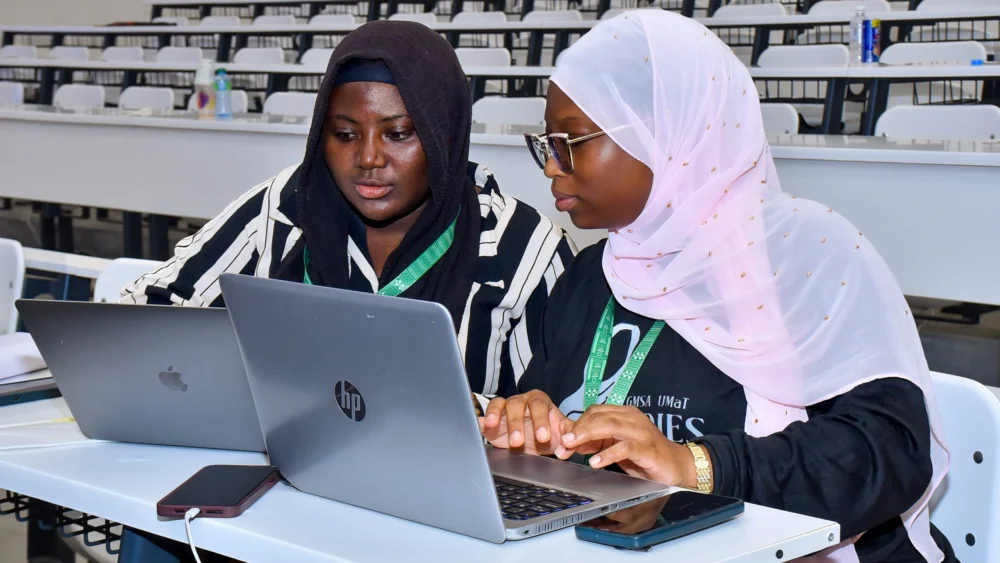
The burgeoning demand for clean energy and enhanced national security has reignited interest in nuclear power, traditionally hampered by the high costs and lengthy construction timelines associated with 20th-century reactor designs. However, a new wave of technological innovation promises to revolutionize the nuclear industry. Advocates believe these next-generation reactors, which break free from established blueprints, can provide a vital, greenhouse-gas-free alternative to fossil fuels. This emerging technology is featured as one of MIT Technology Review’s 10 Breakthrough Technologies for 2026, underscoring its potential to reshape the energy landscape. Further insights into why this technology made the list, and a comprehensive overview of all the breakthrough technologies, can be found in MIT Technology Review’s dedicated newsletters and reports.
Simultaneously, the exponential growth of hyperscale data centers, critical infrastructure powering our digital world, has ignited widespread public opposition. These feats of engineering, while undeniably impressive, are increasingly drawing criticism for their substantial energy consumption and, in water-scarce regions like Nevada, their significant draw on precious water resources. From Virginia, a national leader in data center construction, to Georgia, which is experiencing particularly intense local backlash, the concerns are palpable and global. This growing discontent stems from a confluence of environmental anxieties and resource strain, prompting a deeper investigation into the societal implications of this digital behemoth’s expansion.
In a related development, former New York City Mayor Eric Adams is facing accusations of orchestrating a cryptocurrency "pump and dump" scheme. He is alleged to have promoted a token that experienced a dramatic, albeit temporary, surge in market capitalization, reaching $580 million before collapsing, leaving investors with significant losses. This incident raises serious questions about the integrity of cryptocurrency promotions and the role of public figures in the volatile digital asset market.
Meanwhile, the geopolitical landscape is marked by Iran’s sophisticated efforts to disrupt Starlink satellite internet services. Despite Starlink’s design to be resistant to jamming, Iranian authorities have reportedly been systematically crippling the service, a development with significant implications for information flow and communication in the region. This technological confrontation occurs against a backdrop of concerning reports suggesting that thousands of people may have been killed amidst Iran’s internet blockades. The resilience and repair of Starlink technology are being tested not only in Iran but also on the front lines in Ukraine, where specialized repair shops are working to maintain vital connectivity.
Beyond these immediate concerns, the broader scientific community is re-evaluating the impact of microplastics. Recent studies claiming significant harm to human health are now being questioned, with some scientists suggesting that such findings may stem from contamination and false positive results rather than genuine biological effects. This ongoing debate highlights the complexities of environmental research and the need for rigorous, reproducible scientific methods.
In the United States, a recent surge in emissions, attributed to increased electricity demand and a greater reliance on coal, presents a setback in climate mitigation efforts. This trend contrasts with positive developments in other major economies, as both India and China have begun to see a decline in coal power generation, signaling potential shifts in global energy consumption patterns. Despite these mixed signals, there have been several encouraging developments in climate news during 2025, offering glimmers of hope for future progress.

The realm of artificial intelligence continues its rapid evolution. Google’s Veo AI model has demonstrated a remarkable ability to transform portrait images into slick, vertical videos, showcasing advancements in AI-powered content creation. However, this innovation is juxtaposed with the emergence of AI-generated influencers on platforms like Instagram, who are reportedly sharing fabricated images of themselves in compromising situations with celebrities, raising concerns about digital defamation and the ethical boundaries of AI-generated content. The immense power demands of AI are also a growing concern, with AI’s appetite for electricity prompting calls for greater transparency and accountability from tech companies, a sentiment echoed by former President Trump’s efforts to engage with tech giants on the issue. Microsoft has taken a notable step by pledging to offset its data center electricity consumption, setting a precedent for industry responsibility.
On the geopolitical front, the United States faces potential setbacks in its aspirations to return to the moon. Budgetary constraints at NASA, coupled with other unaddressed challenges, are contributing to a scenario where the U.S. may find itself losing the race back to lunar exploration, with China appearing to gain momentum.
In a surprising turn of events, middle managers may find a reprieve from the pervasive threat of AI-driven job displacement. Emerging analyses suggest that the unique skills and responsibilities of middle management are not yet easily replicable by artificial intelligence, offering a degree of job security in an increasingly automated world.
Finally, the pursuit of longevity and well-being is illuminated by a recent study indicating that even minor lifestyle adjustments can significantly extend lifespan. Research involving tens of thousands of adults revealed that modest improvements in sleep and exercise routines can lead to substantial gains in life expectancy. This finding complements earlier research suggesting that while aging brings distinct challenges in middle age, maintaining a high level of well-being throughout life is an achievable goal.
LinkedIn co-founder Reid Hoffman has expressed a strong desire for increased civic engagement and dissent within Silicon Valley, advocating for a more vocal stance against what he perceives as governmental overreach. His call for "speaking truth to power" underscores the ongoing debate about the role of technology leaders in shaping societal and political discourse.
In a lighter note, a free guide to reflecting on the past year and preparing for the next is available, alongside some surprisingly profound life advice from the late British comedian Rik Mayall. Additionally, the appeal of unique architectural designs is highlighted by a stunning house in São Paulo, and a reminder that addressing sleep habits can be a crucial step in combating the tendency towards excessive online consumption.
The continent of Africa is poised to become a significant player in the global artificial intelligence race, despite currently being in the early stages of AI adoption. Researchers point to a confluence of favorable factors, including a youthful and increasingly educated populace, a burgeoning AI startup ecosystem, and a vast potential consumer base. However, the path to widespread AI development and implementation is fraught with obstacles. These challenges, if not adequately addressed, could impede Africa’s progress in harnessing AI’s transformative power and establishing its unique place in the global AI landscape.