Faris Adani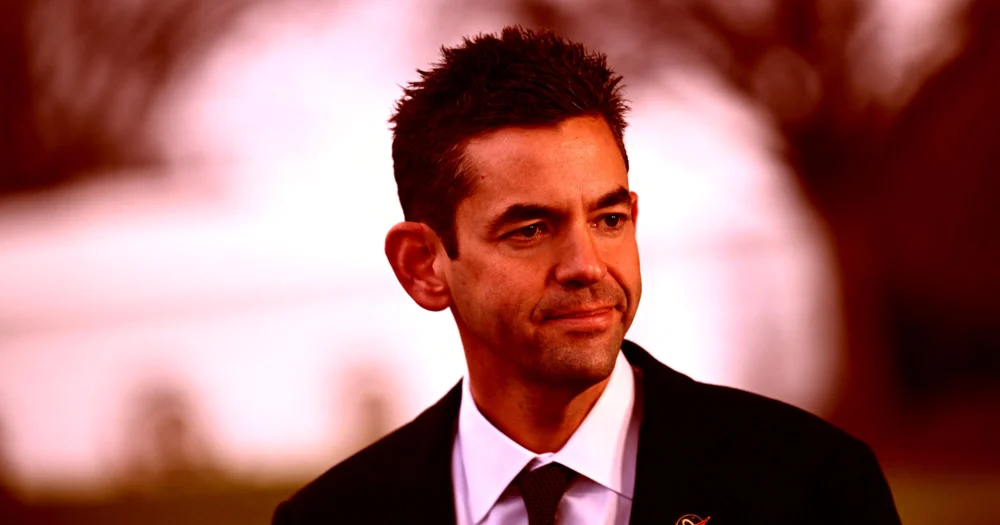
Union Representing NASA Workers Says Space Agency’s New Administrator Is a Straight-Up Liar.
The Trump administration’s expedited initiative to close over a dozen buildings and approximately 100 laboratories at NASA’s revered Goddard Space Flight Center (GSFC) during a government shutdown in November ignited a furious backlash. Democratic lawmakers swiftly condemned the move, alleging that the “consolidation” effort proceeded without any consultation, sparking widespread concern over its potential impact on critical scientific infrastructure and research capabilities at one of the nation’s most vital space facilities.
In a strongly worded letter dated November 10, Representative Zoe Lofgren (D-CA), a prominent voice on scientific matters, addressed Sean Duffy, who was serving as NASA’s interim administrator at the time. Lofgren expressed profound alarm, stating that her staff had received “disturbing reports that NASA is directing the imminent closure of laboratories and facilities hosting mission-critical capabilities” at the GSFC. This revelation brought to light the sudden and seemingly unilateral nature of the administration’s actions, raising questions about transparency and proper governance.
Among the most contentious decisions was the unceremonious closure of the campus’s main library last month, a move that sent shockwaves through the scientific community. As The New York Times reported on December 31, this specific action became a focal point of criticism. Despite attempts by NASA officials to downplay these concerns, their efforts proved largely ineffectual. Former and current staffers, scientific advisors, and union representatives continue to express profound dismay, watching in what many describe as “horror” as the extensive closures at the GSFC proceed unabated, threatening decades of accumulated knowledge and future research potential.
Following the library’s abrupt closure, a chorus of NASA insiders “cried foul,” issuing dire warnings about the potential loss of invaluable and still-undigitized materials. They characterized the Trump administration’s efforts as “reckless,” suggesting that critical scientific and historical documents could be indiscriminately discarded. This concern highlighted a fundamental tension between administrative efficiency and the preservation of scientific heritage, as the rush to consolidate facilities appeared to disregard the meticulous care required for archival management.
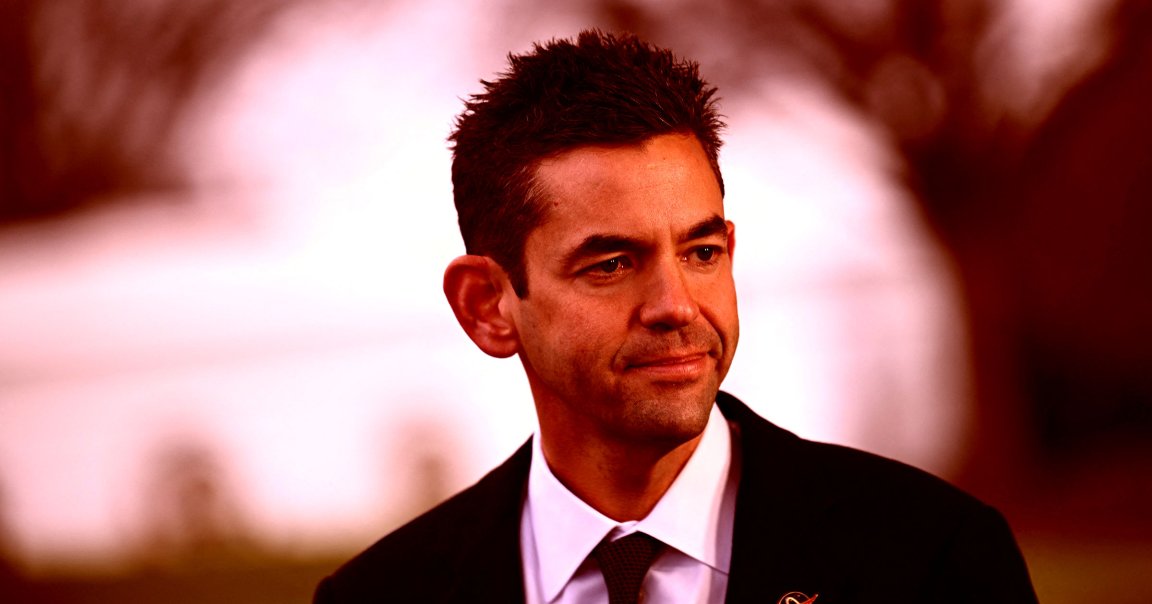
Adding another layer of controversy, NASA’s new administrator, Jared Isaacman, who had only been confirmed by the Senate on December 17, publicly reacted with anger to the New York Times‘ portrayal of the situation. In a post on X (formerly Twitter), Isaacman accused the newspaper of failing to fully represent the “context NASA shared.” He vehemently asserted that “at no point is NASA ‘tossing out’ important scientific or historical materials,” attempting to reassure a rattled public and scientific community.
However, Isaacman’s initial denial was soon followed by a significant qualification. In a later social media post, he admitted that “some materials with no historical or technical value may not be retained” after a “deliberate review” conducted over a 60-day period. This admission, while attempting to frame the process as systematic, contradicted the absolute assurance given earlier and intensified fears that a subjective review could lead to irreparable losses. NASA press secretary Bethany Stevens also weighed in, describing the controversial moves at Goddard as merely a “consolidation, not a closure,” a semantic distinction that did little to quell the rising tide of skepticism and outrage.
Isaacman’s attempts to assuage fears have largely failed to reassure a deeply unsettled NASA workforce. The International Federation of Professional and Technical Engineers (IFPTE), a powerful union representing thousands of NASA scientists and engineers, launched a scathing counter-attack. In a January 7 response, widely reported by Astronomy, Matt Biggs, the president of IFPTE, directly accused Isaacman of making “patently false” statements, elevating the dispute into a direct confrontation over truth and transparency.
Biggs did not mince words, stating unequivocally that “The rapid and haphazard shutdown of the library at NASA’s Goddard Space Flight Center, reported on by The New York Times, decimated this valuable collection housed at NASA’s largest research library.” His statement underscored the union’s belief that the actions taken were not merely administrative but constituted a destructive blow to a vital scientific resource, emphasizing the scale and irreversible nature of the perceived damage.
The labor union boss further challenged Isaacman’s primary justification for the consolidation efforts: that they were part of the 2022 Goddard Master Plan, which originated under the Biden administration. Biggs vehemently disagreed, asserting, “This was not part of some ‘long-planned facilities consolidation’ as Isaacman claims.” He meticulously pointed out that “The Goddard Master Plan, written in 2022, does not call for the library’s closure. Building 21, which houses the library, was scheduled for renovation, not elimination,” thereby exposing a critical discrepancy between the administration’s claims and documented plans. This revelation cast doubt on the official narrative and fueled accusations of deliberate misrepresentation.
Futurism, in an effort to seek clarity on these conflicting accounts, reached out to NASA for an official response and further details regarding the specifics of the 2022 Master Plan. However, the agency notably failed to reply to this and a previous request for comment, contributing to the perception of a lack of transparency and an unwillingness to directly address the union’s serious allegations.
Biggs also took issue with Isaacman’s assertion on X that “NASA researchers will continue to have access to the scientific information and resources they need to do their work.” The union leader unequivocally refuted this claim, stating, “That’s simply not true.” He elaborated on the tangible consequences of the library’s closure, explaining that “Much of the material that was available in the library in Greenbelt, Maryland, is copyrighted or unique out-of-print material that cannot or has not been digitized and will no longer be available to researchers.” This highlighted the profound and irreversible impact on scientific inquiry, as irreplaceable knowledge was being rendered inaccessible.
This escalating dispute unfolds at a particularly precarious moment for NASA, as its very future continues to be a subject of intense debate in Congress. The White House, under the current administration, had proposed the largest budget cuts in NASA’s 67-year history, threatening to severely cripple the historic agency’s ambitious projects and long-term scientific endeavors. However, in a significant legislative countermove, lawmakers have since passed a counteroffer that would largely preserve the agency’s science budget for the fiscal year of 2026. This fiscal year technically began in October, underscoring the protracted nature of the budgetary chaos and political wrangling that has defined this period.
The current situation represents a major test of Isaacman’s leadership, as he navigates taking control of an agency embroiled in multiple crises just last month. NASA insiders remain profoundly skeptical of the Trump administration’s approach, arguing that the agency should be expanding opportunities and fostering collaboration, not closing essential facilities. This sentiment is particularly strong given the United States’ ambitious goals to return astronauts to the Moon in the coming years, a mission that demands robust scientific support and open access to information.
Biggs concluded his fiery response with a series of pointed questions and accusations that resonated deeply within the scientific community. “Where is the consolidation?” he rhetorically asked, directly challenging the administration’s core defense. He painted a grim picture of the fate of the library’s holdings: “The material is not being consolidated with other holdings; it is simply being lost to Goddard and to the broader research community, much of it is being sent to storage or to the dumpster.”
His final, impactful statement encapsulated the frustration and perceived absurdity of the situation: “NASA’s scientists and engineers shouldn’t have to be dumpster divers to do their work.” Biggs’ words served as a stark reminder of the fundamental role of accessible information in scientific progress and a strong indictment of the administrative decisions that, in the union’s view, were actively undermining NASA’s mission. “We expect better from NASA and its managers,” he declared, calling for accountability and a renewed commitment to the principles of scientific excellence and integrity.
More on the closure: NASA Veterans Disgusted by Plans to Shut Down Its Largest Library