
 Faris Adani
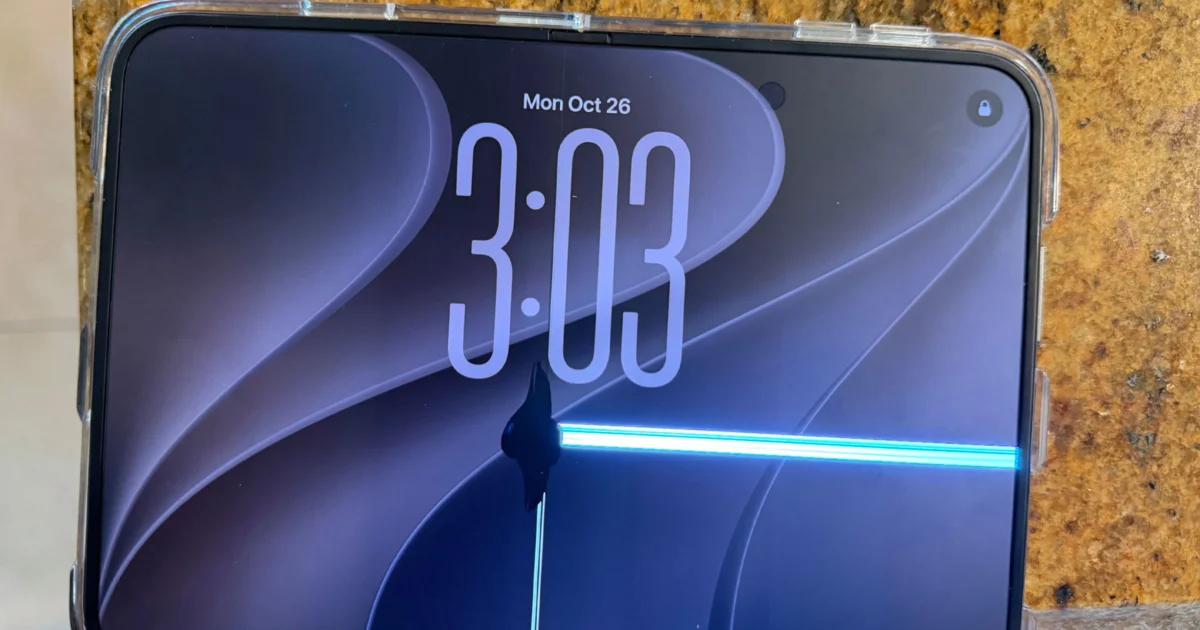
The highly anticipated launch of Apple’s groundbreaking iPhone Duo, a device touted as a monumental leap into the foldable smartphone market, has been marred by a critical and immediate flaw: its innovative hinge, which was famously promoted as being designed with the aid of artificial intelligence, is proving to be its Achilles’ heel, leading to widespread screen cracking on the inner display. Priced at a premium exceeding $2,000, the iPhone Duo was meant to solidify Apple’s position at the forefront of mobile technology, but early adopters are instead experiencing a disheartening "crackgate," with many reporting screen failures just hours or days after unboxing their devices. This unforeseen structural vulnerability, directly attributed to the hinge mechanism, casts a shadow over Apple’s design and manufacturing prowess, particularly given the prominent role attributed to AI in its development.
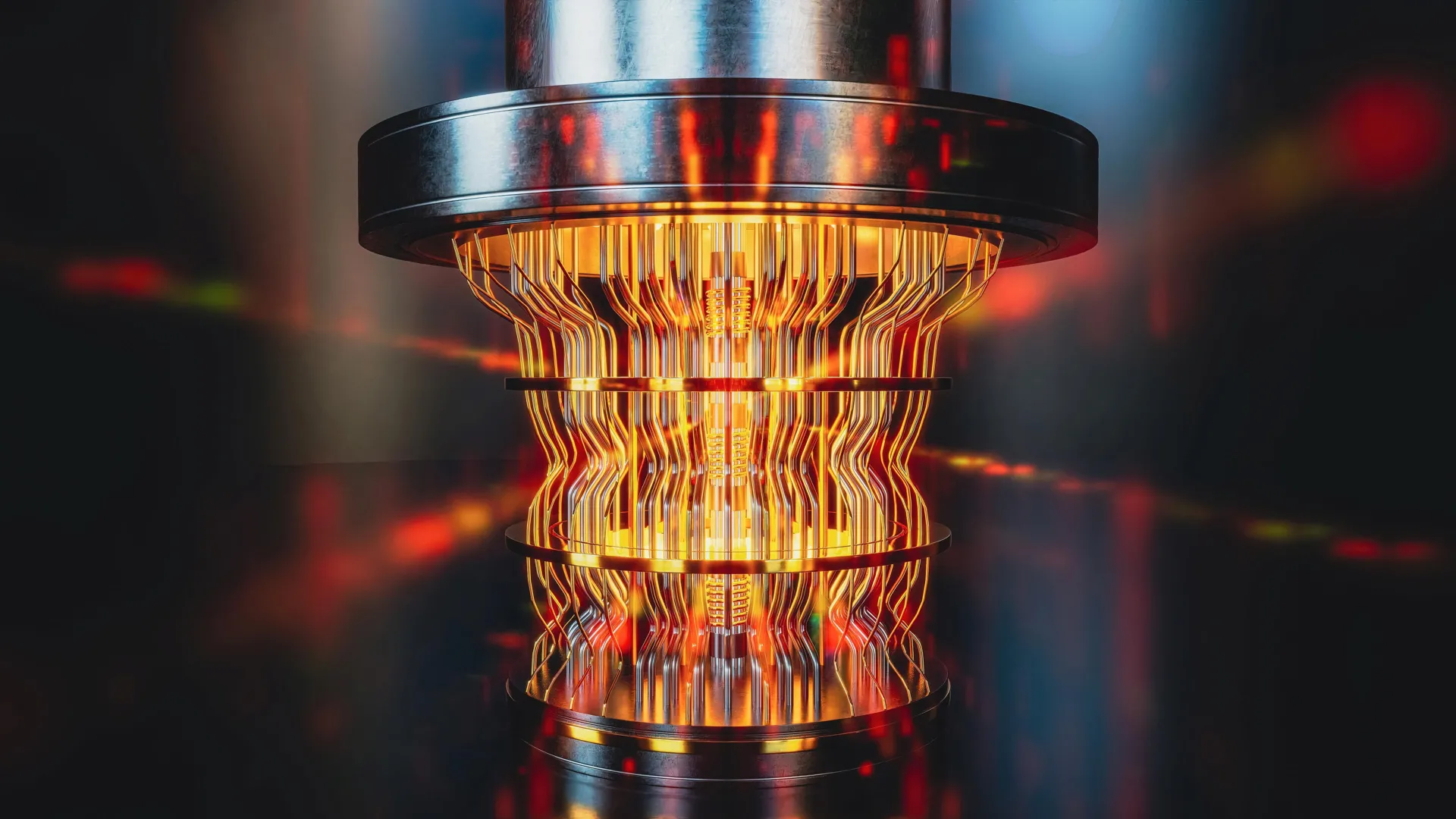
The company’s chief hardware officer, Johny Srouji, proudly articulated the sophisticated process behind the hinge’s creation during a pre-launch event, emphasizing the integration of advanced technologies. As reported by TechCrunch, Srouji stated, “During manufacturing, we use AI algorithms to precisely match each individual hinge with its best-fit housing to ensure perfect alignment. And a confocal laser progressively scans the topology of every single unit and 3D prints up to 25 micro layers of a custom photopolymer to eliminate residual waviness.” This statement was intended to highlight Apple’s cutting-edge approach, suggesting a level of precision and customization previously unattainable. However, the current spate of failures forces a critical re-evaluation of what "AI algorithms" truly signify in this context and whether their application was as robust as advertised.
The term "AI algorithms" itself is broad and can encompass a wide spectrum of computational methods. In the realm of industrial design and manufacturing, it often refers to sophisticated machine learning models, optimization algorithms, or advanced simulation tools used for tasks like generative design, predictive maintenance, or quality control. For instance, an AI might analyze vast datasets of material properties, stress points, and manufacturing tolerances to suggest optimal designs or identify potential weaknesses. It could also be used in the manufacturing process for automated inspection, robotic assembly path optimization, or, as Srouji mentioned, for "precise matching" of components. Apple has, for years, leveraged machine learning in various aspects of its products, from improving camera functionality and battery efficiency to powering features like the iPad’s palm rejection technology, which intelligently distinguishes between a stylus input and a resting hand. These applications are undeniably forms of "AI" in a technical sense, demonstrating the company’s long-standing commitment to integrating intelligent systems.
Yet, Srouji’s deliberate choice to use the catchall term "AI" rather than more specific terms like "machine learning" or "optimization algorithms" raises questions. In today’s tech landscape, "AI" has become synonymous with generative models, large language models (LLMs) like ChatGPT, and autonomous agents that exhibit seemingly human-like intelligence. By employing the broader, more sensationalized term, Apple might have aimed to tap into the current AI hype cycle, appealing to investors and the general public with the promise of a product engineered by the most advanced computational minds. This "AI-washing," where existing machine learning or automation technologies are rebranded under the more glamorous "AI" umbrella, is a growing trend across industries. While not inherently dishonest, it can create inflated expectations and, when a product fails, lead to greater public disillusionment. The irony is stark: a hinge supposedly perfected by advanced AI is now the very component compromising the device’s integrity.
The "crackgate" complaints are not isolated incidents but represent a "small but sizable minority" of customers experiencing identical failures. Shahram Mokhtari, the lead teardown technician at iFixit, provided a compelling hypothesis to The Verge, explaining that the "extremely sensitive" flexible inner screen is being subjected to undue pressure from the hinge mechanism. According to Mokhtari’s analysis, a crucial center support bar, designed to create the necessary clearance for the screen to fold without creasing, is not retracting far enough. This creates an internal stress point along the fold line, which the delicate display cannot withstand, leading to the visible cracks. This mechanical flaw points to either a fundamental design miscalculation or a manufacturing tolerance issue, regardless of how "intelligent" the design process was.
The challenges of designing durable foldable phones are immense, as evidenced by the initial stumbles of competitors like Samsung with its first Galaxy Fold. Early foldable devices faced issues ranging from screen delamination and hinge debris ingress to visible creases and overall fragility. Apple, with its reputation for meticulous engineering and premium quality, was widely expected to learn from these predecessors and deliver a more robust solution. The Duo’s failure, therefore, is particularly jarring, as it undermines the perception of Apple’s superior design and testing protocols. It suggests that even with the purported aid of AI, the complexities of creating a genuinely durable and reliable foldable mechanism remain a formidable hurdle.
One might speculate on the specific ways AI could have contributed to the hinge’s design and manufacturing, as Srouji described. "Precise matching" could involve machine vision systems analyzing thousands of hinge components and housings, using AI to identify the perfect statistical pairing to minimize gaps and maximize structural integrity. The "confocal laser" scanning could feed ultra-precise topological data into an AI model, which then, through "3D printing up to 25 micro layers of a custom photopolymer," could generate custom, infinitesimal adjustments to each individual hinge. This adaptive manufacturing approach, driven by AI and robotics, aims for unprecedented levels of customization and fit. If generative design AI was employed, it would explore millions of hinge geometries, optimizing for durability, weight, and smooth operation under various stress simulations. The problem, then, lies not necessarily in the application of AI itself, but perhaps in the quality or completeness of the data fed to the AI, the parameters it was optimized for, or the real-world validation tests failing to replicate the specific stresses that lead to these cracks. Did the AI miss a critical failure mode? Was the "best-fit" housing not truly "best" under repeated folding cycles?
This incident also serves as a cautionary tale regarding the broader trend of "AI-washing" in the tech industry. While machine learning and advanced algorithms are indeed powerful tools that can enhance design, manufacturing, and user experience, overstating their role or conflating them with generalized AI can lead to consumer distrust when products inevitably fall short. Companies have a responsibility to be transparent about the specific applications and limitations of AI in their products, rather than simply using it as a buzzword. When an "AI-designed" product fails, it not only impacts the company’s brand but can also inadvertently fuel skepticism about the practical utility and reliability of AI technologies in general.
Apple, at least, moved swiftly to acknowledge the "issue" and committed to replacing damaged units. This response, while necessary, will incur significant costs in terms of logistics, replacement parts, and customer service, not to mention the intangible damage to its meticulously cultivated brand image. The long-term implications for the iPhone Duo, and Apple’s future in the foldable market, hinge on how effectively and transparently they address this fundamental design flaw.
In conclusion, the saga of the Apple iPhone Duo’s cracking screen and its "AI-designed" hinge encapsulates both the immense promise and the inherent challenges of integrating cutting-edge artificial intelligence into complex hardware. While AI undoubtedly offers powerful tools for optimization and precision, this incident underscores that even the most advanced algorithms are only as good as the data they’re trained on and the real-world conditions they’re tested against. The "AI-designed" hinge, meant to be a testament to innovation, has instead become a symbol of a premature or incomplete application, highlighting the critical need for rigorous human oversight, comprehensive testing, and a healthy dose of humility when deploying new technologies. Apple’s path forward will involve not just refining the hinge, but also recalibrating its narrative around AI, ensuring that genuine technological advancement is backed by unflinching real-world performance.