isnaini azizah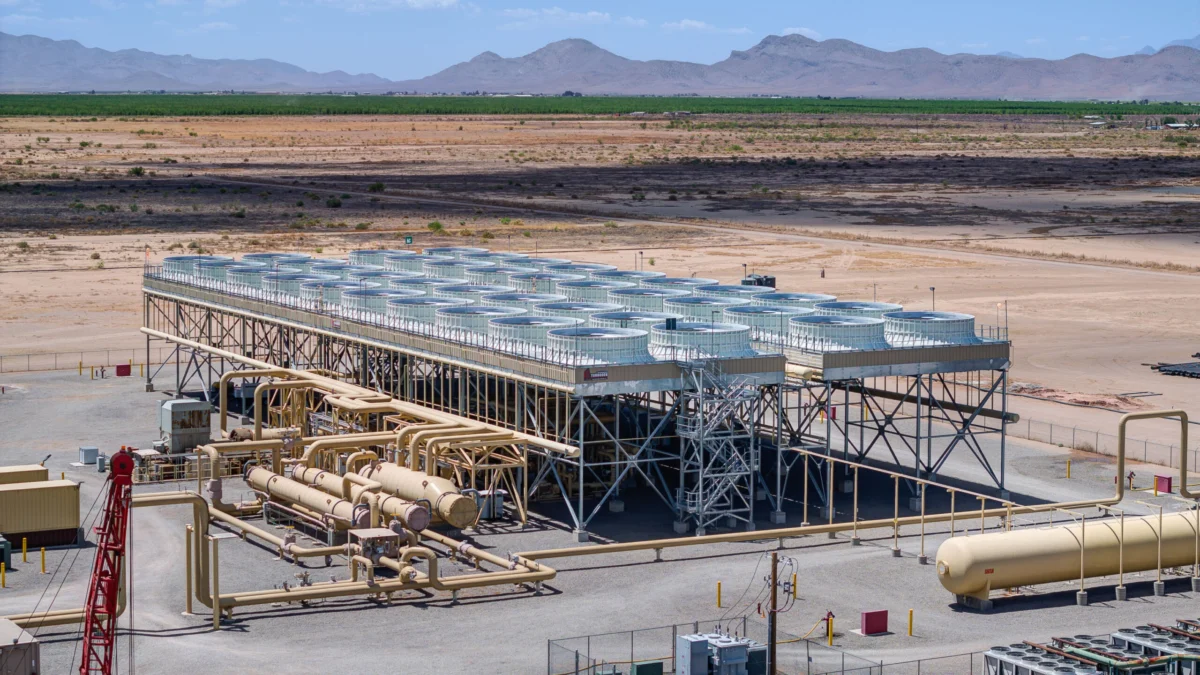
Now, a mere two years later, that same plant, known as Lightning Dock, is not only operational but running at full capacity once again. This remarkable turnaround is attributed to the strategic drilling of a new, deeper well, a feat accomplished through the sophisticated application of advanced geological modeling and cutting-edge drilling technology. By meticulously analyzing subsurface conditions, Zanskar was able to pinpoint a more promising location for a new well, then drill thousands of feet into the earth, effectively reviving the entire operation and securing a vital source of clean, baseload electricity.
As the global imperative to transition towards emissions-free electricity intensifies, and the demand for reliable, 24/7 power sources grows, the story of Lightning Dock offers compelling evidence that untapped potential still lies hidden deep beneath our feet. This success story underscores the critical role of innovation in revitalizing existing renewable energy infrastructure and highlights the enduring promise of geothermal energy, particularly in regions with suitable geological characteristics.
Conventional geothermal power plants, by their very nature, are highly dependent on the specific underground conditions present at a given site. The fundamental principle involves water circulating through fractured, hot rock formations to absorb geothermal heat. This heated fluid is then directed to a power plant, where it is used to generate electricity, typically through a steam turbine. The efficiency and viability of such plants are directly correlated with the temperature and flow rate of the geothermal fluid. If the water is not sufficiently hot, or if its flow is insufficient, the power plant cannot operate effectively or economically. This delicate balance is what made Lightning Dock’s situation so precarious.
Lightning Dock was initially brought online in 2013, designed to harness the earth’s internal heat for electricity generation. Historically, the plant relied on two production wells to supply the necessary hot water to its turbines. It is a well-documented phenomenon in the geothermal industry that reservoir temperatures at production wells tend to decline over time. This decline is typically gradual, often in the range of 1 to 2 degrees Fahrenheit per year. However, in the period leading up to Zanskar’s acquisition, Lightning Dock experienced a significantly accelerated temperature drop. Over a span of five years, the site witnessed a staggering decrease of 50 degrees Fahrenheit, translating to an alarming rate of 10 degrees Fahrenheit per year. By the time Zanskar took ownership, the temperature of the water entering the power plant had plummeted to a critical 250 degrees Fahrenheit. This was a stark contrast to the plant’s design specifications, which mandated operating temperatures of at least 310 degrees Fahrenheit to achieve optimal efficiency. The plant was, in essence, running on fumes, its once-reliable heat source dwindling to a point of severe underperformance.
Upon acquiring the Lightning Dock facility, Zanskar embarked on a comprehensive program to understand the underlying geological conditions. Employing advanced modeling techniques, a sophisticated approach to analyzing subsurface data, the company meticulously mapped the underground reservoir. This detailed analysis revealed a critical flaw in the original well placement and design: the existing production wells were only tapping into the uppermost layers of the geothermal reservoir. These wells, at a relatively shallow depth of just 2,500 feet, were not optimally positioned to access the hotter, deeper geothermal resources. Joel Edwards, Zanskar’s co-founder and CEO, explained that these wells were simply not situated in the most advantageous locations to maximize heat extraction.
The predictive power of Zanskar’s advanced geological modeling was crucial to their strategy. The models strongly indicated that by drilling a new, significantly deeper well in a different, more strategic location, the plant could be restored to efficient operation. This insight provided the company with a clear path forward. The team then undertook the ambitious task of drilling a new well, reaching an impressive depth of 8,000 feet. This considerable undertaking was completed, and the new well began operation in May 2025, marking a pivotal moment in the plant’s revival.
The initial results from the new well have been nothing short of spectacular. After a full year of continuous operation, the well is still consistently flowing at an impressive rate of over 4,000 gallons per minute. This sustained, high-volume flow of hot water has had a transformative impact on the plant’s performance. Edwards described the turnaround as "completely turned around," expressing a palpable sense of optimism and excitement for the future of Lightning Dock. The data collected over this initial year of operation strongly suggests that the plant will remain successful and productive for many years to come. However, Edwards also emphasized the importance of long-term monitoring and performance analysis. "Ultimately you need to run these things for long time frames to get confidence in their performance over long time frames," he stated, underscoring the industry’s need for robust, long-term data to validate the sustainability of such interventions.
The success at Lightning Dock holds significant implications for the broader geothermal energy sector. The prevailing wisdom in the industry has long been that as one drills deeper, temperatures invariably increase. This is a fundamental principle of geothermal resource assessment. However, there is often a significant trade-off associated with greater depths: the rock formations tend to become more densely packed. This increased density can impede the flow of hot water, presenting a challenge for geothermal power generation where efficient fluid circulation is paramount.
What Zanskar’s team discovered, however, was a departure from this conventional understanding in their specific area. In the location where they drilled the new, deeper well, they observed not only higher temperatures but also an actual increase in the flow rate of the geothermal fluid. This unexpected finding has profound implications. Ben Brenner, director of federal affairs at Zanskar, articulated the significance of this discovery, stating, "That fundamentally changes how you think about not just Lightning Dock but all hydrothermal assets in America and what the potential can be for all of them." This suggests that the conventional limitations on deeper geothermal resource utilization may be surmountable with advanced exploration and drilling techniques.
Over the past year of operation, Lightning Dock has demonstrably outperformed its previous capabilities. The plant generated over twice the amount of electricity it would have with the older, less productive wells. While Lightning Dock is considered a relatively small power plant, with a capacity of 15 megawatts, this output is significant for the local grid, providing enough electricity to power approximately 11,000 U.S. homes. This demonstrates that even smaller-scale geothermal operations can be significantly enhanced through strategic interventions.
The parallels between the evolution of the oil and gas industry and the future of geothermal energy are becoming increasingly evident. For decades, oil and gas developers have consistently pushed the boundaries of extraction, chasing resources deeper underground. Initial operations were often confined to relatively shallow depths, but modern oil and gas production frequently extends down 20,000 feet or more. Edwards believes that a similar trajectory is likely for geothermal energy. "I think that arc is going to play out in geothermal," he predicted. While typical geothermal well fields currently range from 3,000 to 5,000 feet in depth, the success at Lightning Dock suggests that deeper drilling could become a more common and viable strategy in the future, unlocking previously inaccessible geothermal resources.
Looking ahead, Zanskar has ambitious plans for further development at the Lightning Dock site. Edwards indicated that with a few more years of focused development and a potential upgrade to the power plant’s infrastructure, the site could be capable of generating even more electricity. This suggests a commitment to maximizing the potential of this revitalized geothermal resource.
The geothermal energy sector is currently experiencing a surge of interest and investment, particularly in the realm of enhanced geothermal systems (EGS). EGS projects aim to expand the geographic reach of geothermal energy by employing techniques, such as hydraulic fracturing, to create or enhance permeability in hot dry rock formations that would otherwise be unsuitable for traditional geothermal extraction. Companies like Fervo Energy are at the forefront of these innovative approaches, demonstrating how to access geothermal heat in new and challenging environments.
However, the success of Lightning Dock serves as a potent reminder that there is still considerable untapped potential within the realm of conventional geothermal resources. Edwards believes that many of these existing sites represent "low-hanging fruit" – resources that are readily accessible and possess significant untapped potential. They simply require a renewed focus, a willingness to re-evaluate their capabilities with modern technology and innovative thinking, and a second look at what might be possible beneath the surface. The story of Lightning Dock is a testament to the power of innovation and perseverance in the pursuit of clean, sustainable energy.