Pradipta eManuel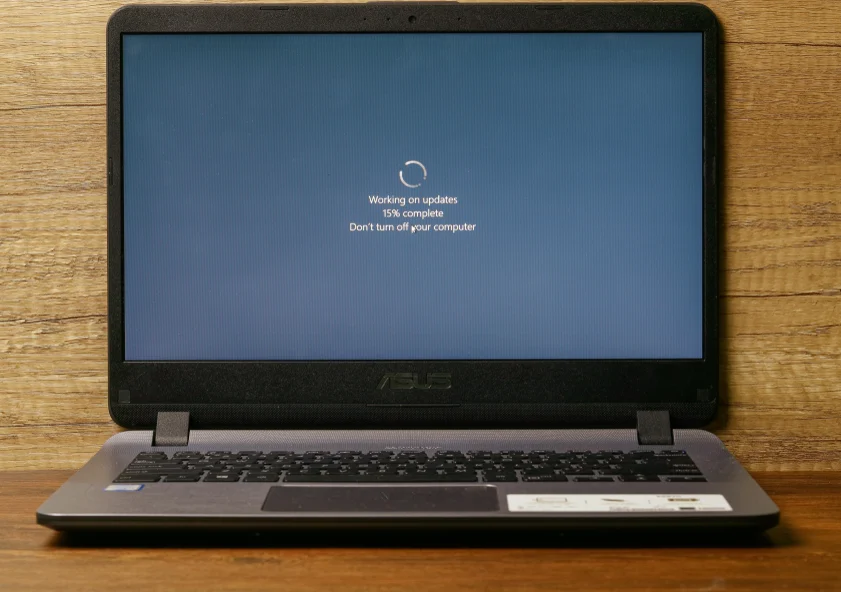
Microsoft Corp. has unleashed a monumental software update, addressing an astonishing 570 security vulnerabilities across its Windows operating systems and other software. This figure, nearly triple the number fixed in the previous month’s record-breaking Patch Tuesday, highlights a significant shift in the landscape of cybersecurity, largely attributed by Microsoft to the accelerating capabilities of artificial intelligence in discovering and analyzing software flaws. The sheer volume of patches underscores the evolving threat environment and the constant arms race between software vendors and malicious actors.
The July Patch Tuesday update includes nearly 60 vulnerabilities classified as "critical," posing a severe risk as they can allow attackers to gain remote control of a Windows device with minimal user interaction. Compounding the urgency, Microsoft also addressed three zero-day flaws, meaning vulnerabilities that were unknown to the vendor and actively being exploited in the wild. Two of these zero-day exploits specifically grant attackers elevated user privileges on a Windows system. This category of privilege escalation vulnerabilities is particularly prevalent in this month’s release, with approximately 250 such flaws being patched. Notable among these are CVE-2026-56155, a vulnerability within Active Directory Federation Services, and CVE-2026-56164, a flaw impacting Microsoft SharePoint. These issues could allow attackers to gain deeper access and control over enterprise networks.
Another significant vulnerability addressed is CVE-2026-50661, a security feature bypass affecting Windows BitLocker. While this flaw has been publicly detailed, Microsoft is not aware of active exploitation at this time. However, its inclusion in the update is crucial, as it could potentially allow attackers with physical access to a device to bypass BitLocker encryption and gain access to sensitive data. This highlights the diverse attack vectors that Microsoft is working to mitigate.
Pavan Davuluri, Executive Vice President at Microsoft, explained in a blog post on July 9th that users should anticipate a sustained increase in the volume of security updates. He stated, "The pace of vulnerability discovery is changing with advances in AI making it possible to find more issues, faster, across more code, with new mechanisms that can accelerate both discovery and analysis." This statement directly links the surge in patched vulnerabilities to the advancements in AI, which are empowering security researchers to identify flaws at an unprecedented rate.
The impact of AI is not limited to vulnerability discovery; it also extends to the analysis and understanding of these flaws. Jack Bicer, director of vulnerability research at Action1, pointed to CVE-2026-48561, a critical remote code execution flaw in Microsoft Copilot. This vulnerability, with a high CVSS threat score of 9.6, allows unauthorized attackers to execute code remotely. The exploit involves hosting a malicious website that, when visited by a user running Microsoft Edge for Android, triggers crafted prompts to Copilot, leading to code execution. This demonstrates how even sophisticated AI-powered features can become targets.
Microsoft’s "exploitability index" has long been a tool to gauge the likelihood of a vulnerability being exploited by attackers. However, the rapid advancements in AI are challenging the efficacy of this index, which was primarily designed with human exploit development in mind. Satnam Narang, senior staff research engineer at Tenable, argues that Microsoft’s exploitability index needs to adapt to the "machine speed" of AI-driven discovery. He cites the example of a SharePoint zero-day vulnerability that was initially rated "less likely" to be exploited but was subsequently added to CISA’s Known Exploited Vulnerabilities list. Narang further elaborates on the fragility of the current system, referencing findings where AI models could produce proof-of-concept exploits for a significant percentage of vulnerabilities rated as "Exploitation Less Likely" or "Exploitation Unlikely." This suggests that the traditional approach to assessing exploitability may no longer be sufficient in the age of AI. "What this means is that our way of looking at Patch Tuesday has changed, because the exploitability index is centered around humans, not AI tools, and as these tools continue to improve, defense needs to improve alongside it," Narang stated.
The trend of increased patch cadence is not unique to Microsoft. Chris Goettl at Ivanti observed that other major software vendors are also accelerating their patch cycles. Adobe, for instance, has announced a move to twice-monthly security bulletins, citing AI as a driver for their accelerated patch cycles. Companies like Cisco, Mozilla, and Oracle are also releasing updates more frequently. Google’s patch releases in June 2026 alone totaled over 900 security fixes, indicating a broader industry-wide response to the evolving threat landscape.
Given the immense volume of patches released this month, it is prudent for end-users to exercise caution before applying them. While the immediate application of security updates is generally recommended, the sheer number of fixes increases the possibility of introducing system stability issues. Therefore, it may be advisable for users to wait a few days to allow for potential bugs or conflicts to surface and be addressed by further updates. Backing up Windows systems and data before applying significant operating system updates is always a recommended best practice, and this advice is amplified with such a large patch release.
The integration of AI into cybersecurity is a double-edged sword. While it empowers defenders to discover and patch vulnerabilities more rapidly, it also equips adversaries with more sophisticated tools to identify and exploit flaws. This dynamic necessitates a continuous evolution in security strategies, from vulnerability management and assessment to the very way we perceive and react to software updates. The record-breaking number of patches from Microsoft is a clear indicator that the cybersecurity battlefield is rapidly transforming, and staying ahead requires constant adaptation and innovation.
Further reading on this topic can be found in Action1’s Patch Tuesday blog post and Automox’s rundown of the July 2026 security updates. These resources offer deeper insights into specific vulnerabilities and their potential impact.