Pradipta eManuel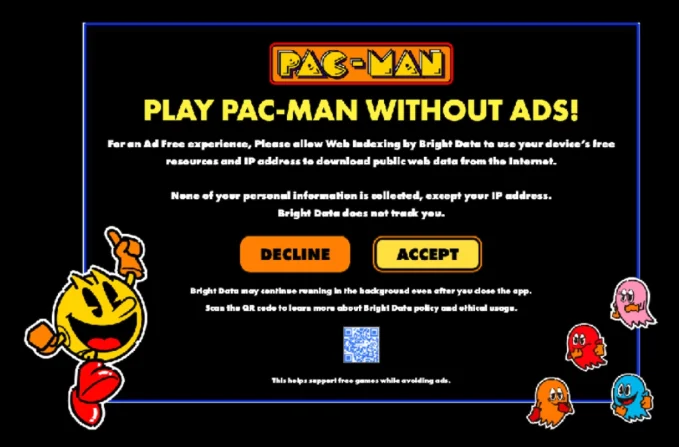
Home appliance giant LG Electronics USA announced this week its decisive plan to suspend any applications built for its smart TV platform that exploit user televisions as perpetually active residential proxy nodes, a move that directly addresses alarming research revealing widespread integration of such software development kits (SDKs) within its webOS app store. This significant policy shift comes less than a month after security researchers from Spur.us published findings that exposed a pervasive vulnerability: over 42% of games and other applications available for download on LG’s webOS store were found to allow unknown third parties to route their internet traffic through unsuspecting users’ televisions, effectively transforming them into unwitting proxy servers.
The revelation of this widespread practice has sent ripples through the consumer electronics and cybersecurity industries, prompting a swift and firm response from LG. Spur’s comprehensive investigation, detailed in a report released on July 2nd, meticulously examined the prevalence of residential proxy SDKs across smart TV platforms, including both LG’s webOS and Samsung’s Tizen operating systems. Their research indicated that not only did over 42% of LG smart TV apps incorporate these SDKs, turning televisions into indefinite proxy nodes, but also that more than a quarter of apps designed for Samsung’s Tizen OS exhibited similar residential proxy functionalities. This means millions of households could have unknowingly been participating in a global proxy network, with their internet bandwidth and IP addresses being utilized by unknown entities for potentially illicit or unauthorized activities.
In response to direct inquiries from KrebsOnSecurity regarding Spur’s critical findings, LG Senior Vice President John Taylor articulated the company’s commitment to user safety and platform integrity. Taylor explicitly stated that a residential proxy network is "not an intended use for LG smart TVs" and confirmed that LG Electronics is actively collaborating with app developers to eliminate the residential proxy option from their applications on the webOS platform. He issued a clear ultimatum: developers who fail to comply with this directive will face the suspension of their applications. This decisive action underscores LG’s recognition of the inherent risks associated with allowing user devices to function as proxy nodes, risks that extend beyond mere bandwidth consumption to potential privacy breaches and complicity in cybercrime.
Taylor elaborated on LG’s proactive stance, emphasizing the company’s dedication to preventing the integration of residential proxy networks into its smart TV applications moving forward. He revealed that LG’s comprehensive review of existing applications is already "well underway," signaling a robust effort to sanitize its app ecosystem. "As part of our ongoing efforts to enhance platform quality and the user experience, LG will continue to strengthen our evaluation process for developer-submitted apps, including those that incorporate residential proxy SDKs," Taylor stated in a detailed emailed statement. This suggests a more rigorous and proactive app vetting process, aiming to identify and block such functionalities before they can be deployed to consumers.

The monetization model for app makers looking to leverage residential proxy networks involves partnering with proxy providers. These providers compensate developers for integrating SDKs into their applications, which then transform the user’s device into a residential proxy node that is essentially rented out to paying customers. These paying customers, often engaging in activities like web scraping, market research, or competitive intelligence gathering, benefit from utilizing the IP addresses of everyday consumers, making their online activities appear more legitimate and harder to trace. Spur’s investigation highlighted that these residential proxy SDKs were found embedded in a surprisingly diverse range of applications on LG and Samsung smart TVs, from seemingly innocuous games like Pac-Man to simple screensavers and utility applications, demonstrating the broad reach of this monetization strategy.
The report from Spur specifically identified the residential proxy network, Bright Data, as being responsible for a significant majority of the proxy SDKs found across both Samsung and LG smart TVs. Despite repeated attempts by KrebsOnSecurity to solicit comments from Bright Data regarding their role and the findings, the company did not respond. It is worth noting that proxy providers like Bright Data, when contacted, typically assert their adherence to stringent "know-your-customer" (KYC) processes, aiming to validate the legitimacy of their clients’ usage of their services. They also often claim to implement technological safeguards designed to prevent customers of their proxy services from interacting with or controlling other devices on the user’s local network, a critical security concern.
However, Spur’s critique extends beyond the mere existence of residential proxy networks to the alarming scale at which these SDKs are being embedded in devices that consumers do not typically perceive as computers and are consequently ill-equipped to audit for such hidden functionalities. Trevor Sutter of Spur eloquently articulated this concern, stating, "A one-time consent prompt buried in a TV app is not a substitute for meaningful transparency, ongoing control, and platform oversight." He further emphasized the amplified risk when consent is obtained from individuals within a household who may not fully understand the implications or possess the authority to grant such permissions, particularly highlighting the vulnerability of minors. The ease with which consent can be overlooked or misunderstood in the context of a smart TV interface, where users are often focused on entertainment rather than technical disclosures, makes this a significant privacy loophole.
LG’s decisive move to purge residential proxy SDKs from its app store is undeniably positive news for consumer privacy and security. However, the company has recently faced scrutiny for another questionable partnership: the pre-installation of McAfee security products through software drivers integrated into its high-end LCD monitors. Earlier this week, the YouTube channel Gamers Nexus exposed that certain LG LCD monitors automatically install an application that promotes paid McAfee antivirus subscriptions. Alarmingly, this application is reportedly delivered through Windows Update without requiring explicit user approval, raising concerns about unsolicited software installations and the potential for bundled services that users may not desire or need, further complicating the narrative around LG’s commitment to user-centric practices. This recent incident, juxtaposed with the residential proxy ban, paints a complex picture of LG’s approach to platform security and user trust, highlighting a continuous need for vigilance and transparency from both manufacturers and consumers alike. The industry is at a critical juncture, where the convenience and interconnectedness offered by smart devices must be balanced with robust security measures and genuine user control, ensuring that the "smart" in smart technology does not come at the cost of privacy or security.