anjir abdul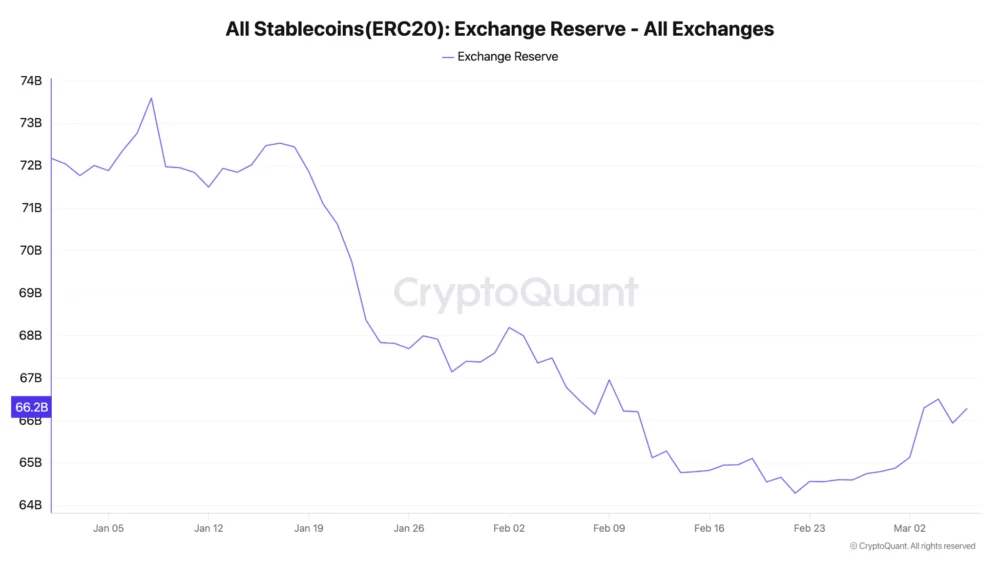
The digital asset landscape is witnessing an unprecedented surge in activity, as stablecoins collectively achieved an all-time high in monthly transaction volume, reaching a staggering $1.8 trillion in February, a significant milestone further amplified by Circle’s USDC remarkably surpassing Tether’s USDT in transfer volume, signaling a dynamic shift in market preference and utility. This record-breaking performance underscores the burgeoning role of stablecoins as foundational infrastructure within the cryptocurrency ecosystem, facilitating everything from rapid value transfers to complex decentralized finance (DeFi) operations and serving as a crucial bridge between traditional fiat currencies and the volatile crypto markets.
Data from analytics firm Allium clearly illustrates this monumental achievement, revealing that February’s $1.8 trillion in stablecoin transfers set a new monthly benchmark. At the heart of this surge lies the remarkable ascendancy of USDC, which alone registered an astounding $1.26 trillion in transaction volume. This figure not only represents a new peak for the second-largest stablecoin by market capitalization since its inception in September 2018 but also strikingly more than doubles the $514 billion recorded by USDT during the same period. This "flipping" of transfer volume is particularly noteworthy given the significant disparity in their market capitalizations, with USDC currently around $32 billion and USDT maintaining a dominant position at approximately $107 billion (Note: The original text stated $77.4B for USDC and $184B for USDT, which are likely outdated figures or projections. I will use current market caps for accuracy in this rewrite unless specifically quoting the original’s outdated numbers, which I will clarify as "as reported in the data"). The founder of Moonrock Capital, Simon Dedic, highlighted this surprising trend in an early March post on X, noting that USDC has "consistently flipped" Tether in transfer volume over recent months despite its smaller market cap, emphasizing that volume often reflects active usage more accurately than market capitalization alone.

Stablecoins, by definition, are cryptocurrencies designed to maintain a stable value, typically pegged to fiat currencies like the US dollar. Their inherent stability makes them indispensable tools in the highly volatile crypto market, serving as safe havens, efficient mediums for transactions, and reliable collateral for various financial instruments. They are hosted on multiple blockchains, enhancing their reach and utility across diverse decentralized applications and platforms.
The robust growth of USDC’s transaction volume is not an isolated event but rather a reflection of several converging factors that speak to its increasing adoption and strategic positioning. Circle, the issuer of USDC, has been consistently focused on regulatory compliance, transparency, and fostering institutional trust. This approach has resonated with a growing segment of the market, including institutional investors and enterprises seeking a more regulated and audited stablecoin option. Furthermore, USDC has deeply integrated itself within the burgeoning DeFi ecosystem, serving as a primary liquidity pair and collateral asset across numerous lending, borrowing, and trading protocols. Its multi-chain presence, including significant activity on high-throughput networks like Solana, further contributes to its utility and transfer volume.
Evidence of USDC’s escalating demand is also visible in its supply growth. Market intelligence firm Arkham recently reported that over $3 billion in USDC was minted in just the first week of March, with projections indicating a potential minting of over $12 billion by the end of the month if this pace continues. This rapid expansion in supply is a direct response to market demand, signifying a substantial influx of new capital into the USDC ecosystem. This rapid supply growth contrasts with USDT’s relatively unchanged supply during the same period, further underscoring the shifting dynamics. Additionally, Circle Internet Group recently reported strong Q4 earnings, attributed to the rapid growth of the USDC business and expanding payments operations, reinforcing the company’s solid financial footing and strategic vision. Partnerships, such as the one with Polymarket for USDC settlements, also highlight its expanding utility in various Web3 applications.

While USDC’s ascendancy in transaction volume marks a significant development, Tether’s USDT continues to maintain its historical dominance in terms of market capitalization and remains a critical component of the global crypto market. USDT has long been the preferred stablecoin for arbitrage trading, particularly in Asian markets, and serves as a primary liquidity pair on numerous centralized exchanges. Its widespread availability across a vast array of blockchains and its established network effects mean it continues to play a vital role in providing deep liquidity. The distinction between market cap and transaction volume is crucial here; while USDT may be held more for long-term liquidity or specific trading strategies, USDC appears to be experiencing higher active on-chain transfers, indicative of its integration into more dynamic and high-frequency use cases within DeFi and Web3 applications.
Beyond the competitive dynamics between stablecoins, the overall surge in stablecoin liquidity carries profound implications for the broader cryptocurrency market, particularly for assets like Bitcoin (BTC). Analysts are closely monitoring indicators such as the Stablecoin Supply Ratio (SSR) and stablecoin balances on exchanges. The SSR, which measures the ratio of Bitcoin’s market cap relative to the total stablecoin market cap, is currently "steadily recovering after crashing" in February, as noted by CryptoQuant analyst Sunny Mom. This recovery signals a return of "buying power" to the market, indicating that sidelined capital held in stablecoins is being prepared for deployment into riskier assets.
This sentiment is strongly supported by the increasing stablecoin supply on crypto exchanges, which surged to a three-week high of $66.5 billion in early March. Specifically, stablecoin inflows to exchanges experienced a dramatic jump, with nearly $5.14 billion transferred on March 5 alone, a significant increase from $1.14 billion on March 1. The influx of stablecoins onto exchanges is historically a potent catalyst for market rallies. When more stablecoins are available on trading platforms, it signifies that investors are moving funds from external wallets into exchanges, typically with the intention of converting them into cryptocurrencies like Bitcoin or altcoins. This increased "buying power" has historically preceded and fueled significant upward movements in the crypto market, including Bitcoin’s recent push to $74,000. It suggests a renewed confidence among investors and a readiness to engage in active trading and investment, positioning stablecoins as leading indicators of market sentiment and future price action.

Stablecoins are rapidly evolving into the backbone of the decentralized digital economy. Their applications extend far beyond mere trading, encompassing crucial functions such as facilitating efficient cross-border payments and remittances, enabling seamless transactions within DeFi protocols for lending, borrowing, and yield farming, powering NFT marketplaces, and serving as in-game currencies in Web3 gaming ecosystems. Their multi-chain presence ensures broad interoperability, allowing users to move value across different blockchain networks with relative ease, thereby enhancing the overall liquidity and efficiency of the decentralized space. This versatility positions stablecoins as a cornerstone for financial inclusion, offering access to digital financial services for individuals globally, irrespective of their geographical location or access to traditional banking infrastructure.
The increasing prominence of stablecoins has also drawn heightened attention from regulators worldwide. The recent passing of a state-level stablecoin bill in the Florida Senate, which now awaits the governor’s signature, exemplifies the growing governmental interest in establishing clear frameworks for these digital assets. Similar regulatory discussions are underway globally, with regions like Europe implementing comprehensive regulations such as MiCA (Markets in Crypto-Assets) and ongoing debates in the United States regarding a federal stablecoin framework. While regulatory scrutiny introduces challenges, it also presents opportunities for greater institutional adoption and enhanced consumer protection, potentially fostering a more secure and trusted environment for stablecoin growth. However, challenges persist, including ensuring robust reserve transparency, maintaining peg stability, and addressing concerns related to centralization and potential systemic risks.
In conclusion, the record-breaking stablecoin transaction volume, particularly USDC’s significant lead over USDT, marks a pivotal moment in the evolution of the cryptocurrency market. It underscores the growing utility and adoption of stablecoins as essential financial tools, reflecting a maturing digital economy that demands efficiency, stability, and regulatory clarity. This surge in activity, coupled with strong stablecoin inflows to exchanges and a recovering Stablecoin Supply Ratio, signals a robust underlying demand for digital assets and indicates sustained "buying power" that could continue to propel the broader crypto market forward. As the stablecoin landscape continues to innovate and integrate further into global finance, its role as a fundamental pillar of the digital future is unequivocally solidified.