Faris Adani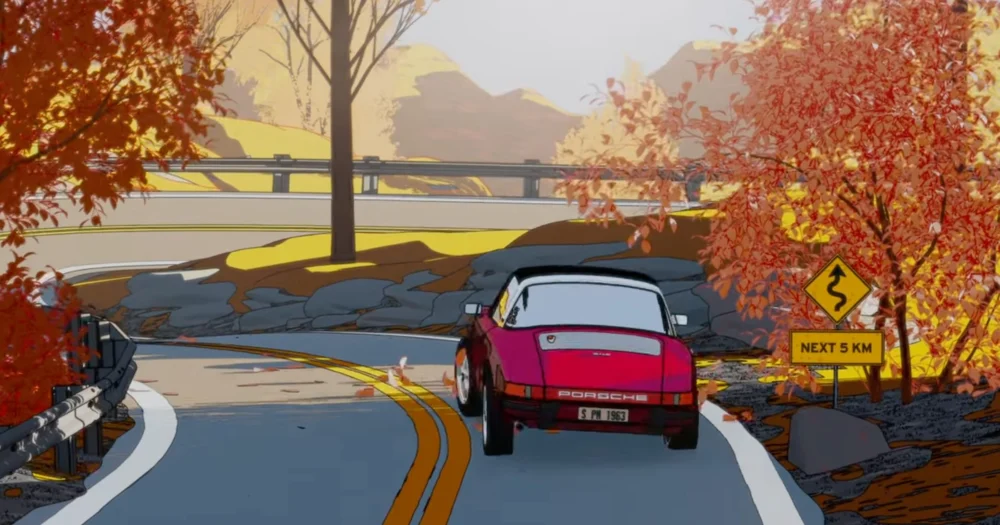
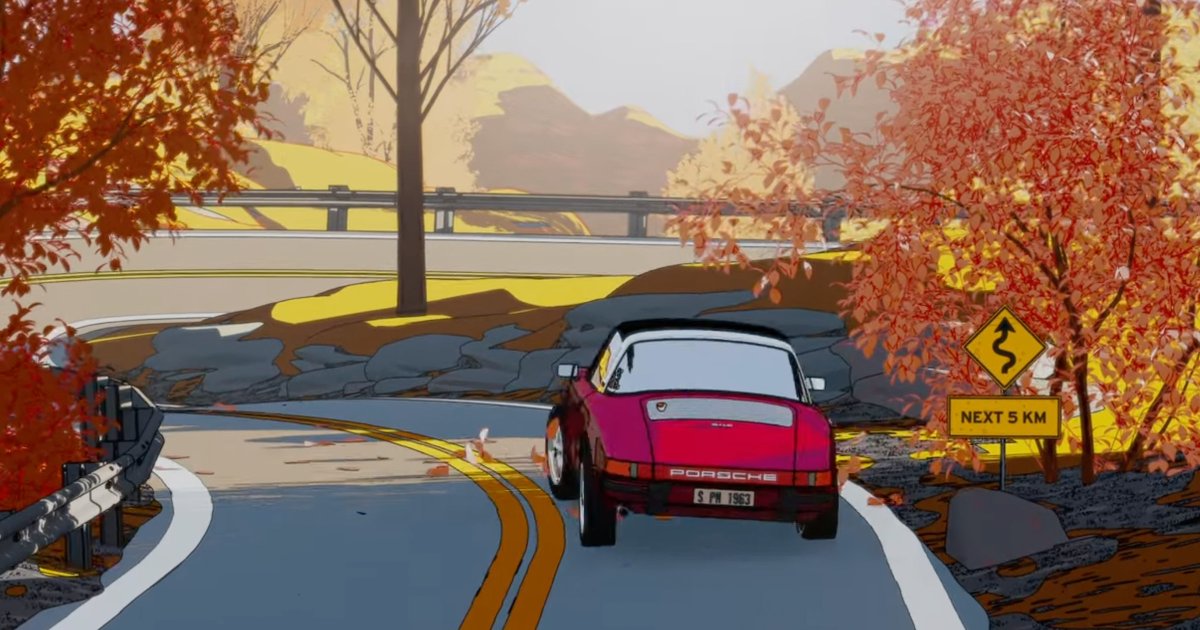
Titled “Porsche Holiday,” the 30-second animated commercial stands as a vibrant testament to traditional craftsmanship, showcasing a driver navigating breathtaking landscapes in their new vehicle. The journey unfolds from an autumnal mountainside road, bathed in the golden hues of the season, to a sleek urban expanse where a "sea of glass and concrete" reflects the setting sun. What immediately strikes the viewer is the ad’s distinctive aesthetic: a stunning 2D-looking animation characterized by meticulous lines, harmonious geometry, and a palette of eye-popping colors. It’s an advertisement that feels meticulously crafted, a stark and welcome contrast to the often generic or unsettling outputs of generative AI that have proliferated across various media platforms.
The revelation of the ad’s production methods came through Porsche’s social media channels, where the brand shared behind-the-scenes footage. In an Instagram post, Porsche divulged that the commercial was a thoughtful blend of hand-drawn sketches and sophisticated CGI, brought to life by Parallel Studio, a renowned animation team based in Paris. While Porsche itself made no explicit statement condemning AI or boasting of its absence in their creative process, the subtle implication was not lost on a public increasingly wary of AI’s encroachment into creative domains. The deliberate showcasing of human-led techniques – traditional sketching combined with refined computer graphics – was interpreted as a quiet but powerful declaration, swiftly driving the ad to remarkable viral success and making it an unexpected hit in the holiday advertising landscape.
The overwhelming positive response underscores a growing public sentiment: a palpable fatigue with and backlash against AI-generated content, particularly within creative industries and advertising. This "anti-AI rebound," as some have dubbed it, reflects deeper concerns about job displacement for human artists, the perceived lack of authenticity in AI-generated works, and a pervasive feeling that AI often produces "soulless" or "slop" content. Social media platforms erupted with praise for Porsche’s approach. One user eloquently captured the mood, writing, "Can’t wait for more of this anti-AI rebound." Another insightful observation came from Nathan Allebach, a creative director, who noted, "Amtrak has been hiring artists to create original animations as well. As slop races us to the bottom, real art signals craft, prestige, and trust." This comment highlights a crucial emerging trend: in an era where automation promises speed and cost-efficiency, genuine human craftsmanship is becoming a differentiator, a marker of quality and integrity that resonates deeply with consumers.
The divisive nature of AI, especially in the arts, has been a hot-button issue, and advertising, as arguably the most commercial art form, serves as a sensitive barometer for both corporate experimentation with the technology and the public’s often negative reactions. The recent missteps by other major brands illustrate this perfectly. Coca-Cola, a brand synonymous with iconic holiday advertising, unleashed a "ghoulishly uncanny" iteration of its beloved "Holidays Are Coming" campaign last month. The AI-generated commercial sparked widespread outrage, with viewers lambasting its overtly ugly, unnatural, and almost grotesque aesthetic. Faces appeared distorted, movements seemed robotic, and the overall lack of warmth undermined decades of carefully cultivated brand imagery associated with the festive season. The attempt to modernize an iconic campaign with AI backfired spectacularly, proving that some traditions are best left untouched by algorithmic hands.
Similarly, fast-food giant McDonald’s ventured into AI-generated advertising with disastrous results. Their commercial, created entirely by artificial intelligence, was plagued by nonsensical imagery, glaring errors, and a complete lack of brand cohesion. The output was so disjointed and poor in quality that McDonald’s was reportedly forced to "sheepishly pull it entirely" from circulation, an embarrassing admission of failure that further solidified public skepticism regarding AI’s creative capabilities. These high-profile blunders from industry giants have inadvertently created a fertile ground for brands like Porsche to shine by simply choosing a human-centric approach.
The public’s embrace of Porsche’s ad speaks volumes about what consumers truly value. For luxury brands, in particular, authenticity, heritage, and meticulous craftsmanship are not just marketing buzzwords; they are foundational pillars of their identity. A brand like Porsche, known for precision engineering and timeless design, benefits immensely from an advertisement that mirrors these values through human artistry. The precise lines and pleasing geometry of the animation echo the design philosophy of their vehicles, conveying a sense of deliberate excellence that AI, in its current form, struggles to replicate convincingly. The "human touch" implied by hand-drawn elements adds a layer of warmth and relatability that algorithms often strip away.
Beyond the immediate backlash against poorly executed AI ads, there are broader ethical and philosophical debates surrounding AI’s role in creative fields. Concerns range from copyright infringement, given that AI models are often trained on vast datasets of existing human artwork without explicit consent or compensation, to the potential displacement of human artists and the very definition of "creativity" itself. The question of whether an algorithm can truly create art, or merely synthesize existing patterns, continues to fuel heated discussions. For brands, AI presents a double-edged sword: the promise of cost savings and rapid content generation clashes with the significant risk of alienating consumers and damaging brand image through content that feels inauthentic, generic, or ethically dubious.
The holiday season, in particular, holds a unique place in the advertising world. For decades, ad agencies have played a pivotal role in shaping our modern idea of Christmas, crafting narratives of joy, family, tradition, and togetherness. These campaigns are designed to evoke deep emotional connections and foster a sense of shared humanity. The irony of attempting to achieve this through "soulless AI amalgamations" is not lost on the public. Consumers desire genuine connection, especially during a time of year meant to celebrate human warmth and spirit. The collective sentiment is clear: while innovation is welcome, there’s a fundamental expectation that brands, particularly during the holidays, will at least "pretend to care about humans." This means investing in human talent, respecting the craft, and creating content that reflects the richness and complexity of human experience, rather than resorting to cold, algorithm-driven substitutes.
Porsche’s decision, whether an intentional strategy to highlight human artistry or simply a choice made for creative quality, has inadvertently positioned them at the forefront of a burgeoning movement. It suggests a potential future where "human-made" becomes a coveted label, a premium differentiator in a market saturated with AI-generated content. As the novelty of AI wears off and its limitations become more apparent, brands that champion human skill and authenticity are likely to forge deeper, more meaningful connections with their audiences. This holiday ad from Porsche is more than just a commercial; it’s a cultural marker, signaling a shifting landscape where genuine craft and human creativity are not just appreciated, but actively sought after and celebrated. It offers a hopeful glimpse into a future where, even amidst rapid technological advancement, the unique value of human artistry remains indispensable.