Pradipta eManuel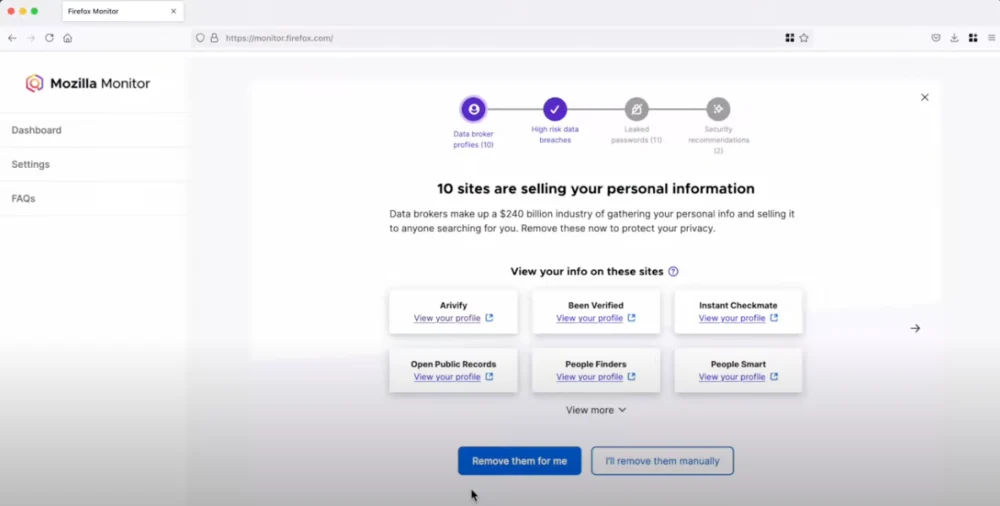
Mozilla, a champion of online privacy and open-source technology, is finally enacting a definitive separation from Onerep, an identity protection service previously integrated with its popular Firefox web browser. This decision, announced this week, marks the culmination of a complex and ultimately untenable relationship, stemming from revelations that Onerep’s founder was deeply enmeshed in the very data brokerage industry the service purported to combat. The partnership, initially intended to empower Firefox users by removing their personal information from hundreds of people-search websites, will officially cease on December 17, 2025. This date signifies the end of Monitor Plus, the specific service offering that provided data broker site scans and automated personal data removal through Onerep.
The initial announcement of winding down the collaboration with Onerep was made by Mozilla in March 2024. This move followed an investigative report by KrebsOnSecurity, which exposed a significant conflict of interest: Onerep’s founder, Dimitiri Shelest, had not only created dozens of people-search services since 2010 but was also actively operating at least one of them, Nuwber, a data broker that sells background reports on individuals. This revelation cast a long shadow over Onerep’s credibility and Mozilla’s commitment to user privacy, especially given that Mozilla continued to promote Onerep for sixteen months after the initial concerns were raised.
In a statement released on Tuesday, Mozilla elaborated on the discontinuation of Monitor Plus, emphasizing its commitment to evolving its privacy and security offerings within the Firefox ecosystem. "We will continue to offer our free Monitor data breach service, which is integrated into Firefox’s credential manager, and we are focused on integrating more of our privacy and security experiences in Firefox, including our VPN, for free," the advisory stated. This indicates a strategic pivot towards consolidating and enhancing built-in privacy features for Firefox users, moving away from third-party integrations that proved problematic.
Current subscribers to Monitor Plus will experience a phased wind-down. They will retain full access to the service until its official end date of December 17, 2025. Following this period, these subscribers will automatically receive a prorated refund, ensuring they are not charged for any unused portion of their subscription. This approach aims to provide a fair and transparent transition for affected users.
Mozilla’s statement further shed light on the challenges that led to this ultimate separation. "We explored several options to keep Monitor Plus going, but our high standards for vendors, and the realities of the data broker ecosystem made it challenging to consistently deliver the level of value and reliability we expect for our users," the statement read. This candid admission highlights the inherent difficulties in navigating the opaque and often exploitative data broker landscape. The company’s commitment to “high standards for vendors” suggests that Onerep ultimately failed to meet these criteria, particularly in light of the revelations about its founder’s activities. The “realities of the data broker ecosystem” likely refer to the constant flux of data, the difficulty in achieving complete removal, and the ethical quandaries associated with partnering with entities that participate in data aggregation.
The original investigation by KrebsOnSecurity, published on March 14, 2024, was pivotal in bringing the conflict of interest to light. It detailed how Dimitiri Shelest, Onerep’s Belarusian CEO and founder, had launched a multitude of people-search services since 2010. The report specifically named Nuwber, an active data broker founded by Shelest in 2015, around the same time Onerep was launched. Shelest himself addressed the allegations in a lengthy statement, acknowledging his ownership stake in Nuwber. This admission confirmed the direct involvement of the Onerep founder in operating a data brokerage firm, directly contradicting the purported mission of Onerep to protect users from such services.
The situation presented a clear ethical dilemma for Mozilla. Promoting a service designed to combat data brokers while its founder simultaneously operated such a business created a perception of hypocrisy and undermined user trust. While Mozilla initially stated its intention to wind down the collaboration, the continued promotion of Onerep for an extended period raised questions about the pace of their response and the effectiveness of their vendor oversight.
The discontinuation of Monitor Plus represents a significant win for online privacy advocates and users who are increasingly concerned about their digital footprint. It underscores the importance of due diligence and ethical considerations when partnering with third-party services, especially in the sensitive realm of personal data protection. Mozilla’s renewed focus on integrating its privacy and security features directly into Firefox signals a commitment to providing users with more transparent and reliable tools for safeguarding their online lives.
The data broker industry, characterized by its vast collection and sale of personal information, remains a persistent threat to individual privacy. Services like Onerep, when authentically aligned with privacy goals, can offer a valuable service. However, when the providers of these services are themselves deeply entrenched in the industry they aim to disrupt, the credibility and effectiveness of such offerings are severely compromised. Mozilla’s decision to finally sever ties with Onerep, though delayed, is a positive step towards upholding its reputation as a protector of user privacy. The company’s future strategy of enhancing built-in Firefox features suggests a desire for greater control and transparency in the services it offers to its user base. This move also sends a strong message to the data broker industry and other privacy-focused service providers about the importance of ethical conduct and genuine commitment to user protection. The protracted nature of this separation, however, serves as a cautionary tale for the broader tech industry regarding the complexities of vendor relationships and the critical need for robust ethical frameworks in the digital age. The ultimate resolution, while lengthy, demonstrates a commitment from Mozilla to rectify a perceived misstep and reinforce its core values.