Faris Adani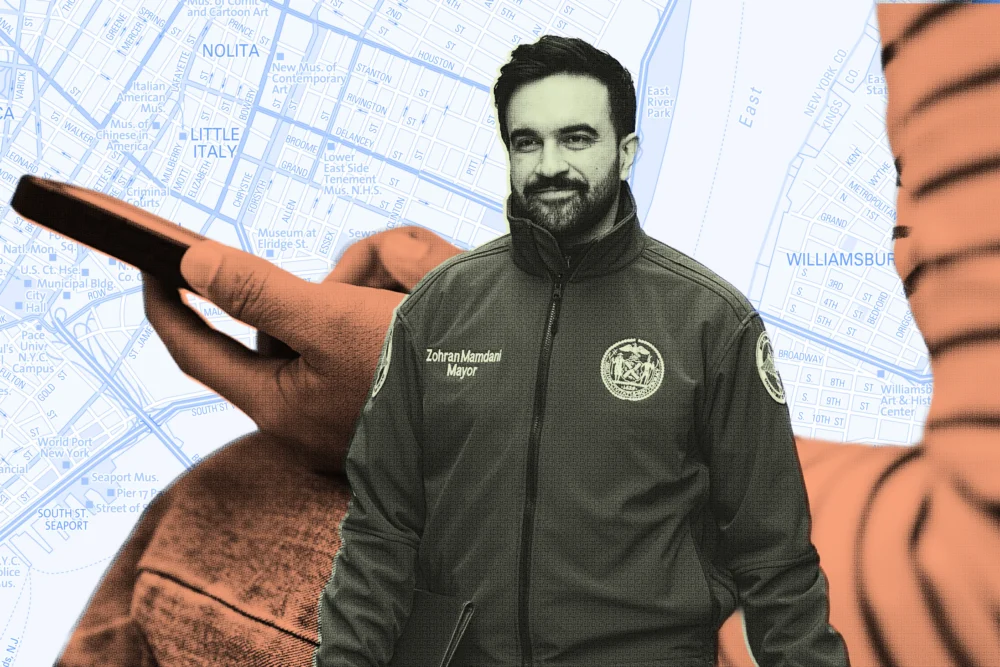
New York City’s burgeoning political landscape, barely a month into Mayor Zohran Mamdani’s term, has witnessed an immediate and significant victory for app-based delivery workers, as his administration, in conjunction with the Department of Consumer and Worker Protection (DCWP) Commissioner Sam Levine, announced a landmark settlement compelling three major delivery apps to repay $4.6 million in withheld wages to thousands of "deliveristas." This decisive intervention marks an early, impactful statement from the new mayor, signaling a formidable shift in the city’s stance on gig economy worker rights and delivering a crushing blow to companies that have long operated with what critics describe as impunity. The settlement, which also includes an additional $350,000 in civil fines to the city, is the result of a comprehensive investigation into broader industry practices, shining a spotlight on systemic exploitation ingrained within the algorithmic management systems of these digital platforms.
The primary companies at the center of this monumental settlement are Uber Eats, Fantuan, and Hungry Panda, identified by NYC Streetblog as the main culprits in a widespread pattern of worker underpayment and unfair deactivations. While GrubHub and DoorDash were also part of the broader investigation, these three specific apps were found to have engaged in practices that directly violated existing labor protections for the city’s essential delivery workforce. Commissioner Sam Levine minced no words in his statement, declaring, "The era of giant corporations juicing profits by underpaying workers is over. I’m proud that this agency is not only returning full back pay, but is recovering damages and penalties to send a strong message that cheating workers will not be tolerated." This firm declaration underscores the administration’s commitment to holding powerful corporations accountable and ensuring fair labor practices in an increasingly digitized economy.
Uber Eats, a titan in the food delivery market, bore the brunt of the settlement, agreeing to pay $3,150,000 in worker relief penalties alone. This substantial sum will be distributed among more than 48,000 workers who were unfairly deactivated and underpaid between December 4, 2023, and September 2, 2024. Individual payouts are set to range from a modest $8.79 to a more significant $276.15, aiming to compensate for wages that were systematically denied. Beyond the direct restitution to workers, Uber Eats was also slapped with a $350,000 civil fine payable to the city of New York. While this fine might seem a mere pittance when compared to Uber Eats’ reported $13.7 billion in revenue for 2024, its symbolic weight is immense, serving as a clear warning shot across the bow of the entire gig economy industry. This action aligns perfectly with the known worker-friendly agenda of Mayor Mamdani’s administration, which has prioritized labor rights from its inception.
The plight of "deliveristas" in New York City has long been a contentious issue, characterized by precarious working conditions, low wages, lack of benefits, and the omnipresent threat of arbitrary deactivation by opaque algorithmic systems. These workers, often immigrants and people of color, navigate the city’s congested streets in all weather conditions, relying on these apps for their livelihoods, only to find themselves at the mercy of algorithms that can terminate their employment without warning or clear justification. Ligia Guallpa, executive director of the Workers’ Justice Project, a leading advocacy group for deliveristas, articulated the depth of this systemic issue, telling NYC Streetblog, "For years, app companies treated the law as optional — hiding behind algorithms, stealing wages, and deactivating workers without consequence. The scale of these abuses proves what deliveristas have been saying for years: exploitation is not an accident — it’s baked into the app delivery business model." Guallpa’s powerful statement cuts to the core of the gig economy’s challenges, highlighting how technological innovation, when unchecked, can become a tool for sophisticated exploitation rather than empowerment.
This sentiment was echoed by James Parrott, a senior fellow at the Center for New York City Affairs at The New School, who observed, "For far too long, delivery and other online labor platform companies have not only underpaid workers, but deactivated them with abandon, denying workers the ability to make a living." His remarks underscore the dual nature of the abuse: financial deprivation combined with the abrupt removal of earning capacity, leaving workers vulnerable and without recourse. The settlement thus represents not just a financial recovery, but a validation of the years of struggle and advocacy by deliveristas and their allies who have consistently called for greater transparency and accountability from these powerful tech companies.
Perhaps one of the more surprising aspects of this development was Uber’s response. In a statement to NYC Streetblog, Uber spokesman Josh Gold did not deny wrongdoing, instead stating, "we’re glad to have this resolved." He further claimed, "After DCWP notified us of the issue in August 2024, we immediately corrected it, agreed to pay more than the amount owed, and appreciate the new administration moving quickly to bring this to a fair conclusion." While this might appear as a cooperative stance, it also raises questions about the company’s internal oversight and why such widespread issues persisted until regulatory intervention. The timing of their "correction" – after being notified by the DCWP – suggests a reactive rather than proactive approach to worker welfare. Moreover, the "more than the amount owed" claim, while potentially beneficial to workers, could also be interpreted as an attempt to mitigate further legal and reputational damage from an administration clearly unwilling to tolerate such abuses.
This settlement sends a potent message that New York City, under Mayor Mamdani, intends to be a national leader in championing gig worker rights. It directly challenges the long-held business model of many app-based companies that classify workers as independent contractors to avoid providing benefits and fair wages. This legal precedent could inspire similar investigations and legislative actions in other cities and states grappling with the complexities of the gig economy. The battle for fair wages, stable employment, and dignified working conditions for gig workers is far from over, but this decisive action by Mayor Mamdani’s administration marks a significant turning point, demonstrating that collective action and strong political will can indeed force powerful corporations to account for their practices and ultimately deliver justice for the workers who keep the city running. As the landscape of work continues to evolve, New York City is positioning itself at the forefront of defining what fair labor looks like in the digital age, setting a benchmark for worker protection that the rest of the nation will undoubtedly watch closely.