Faris Adani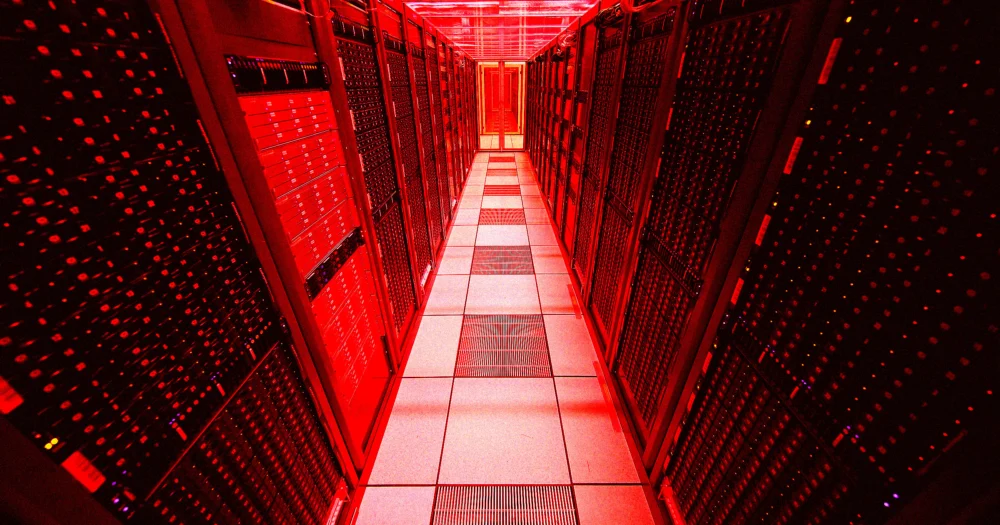
The scale of these data centers is truly staggering, demanding astronomical quantities of fresh water to prevent their ripping-hot computer hardware from overheating. This isn’t just a minor operational cost; it’s a significant environmental burden, with some facilities reportedly consuming millions of gallons of water daily, often drawing from already stressed local water tables or diverting resources from agricultural or residential use. Imagine a small town’s entire daily water consumption being funneled into cooling a single digital behemoth – this is the reality in many areas. Beyond water, these "AI plants" are becoming a massive strain on the electric grid, a demand so profound that it’s forcing utility operators in various regions to take drastic measures. Reports of rolling blackouts during periods of peak demand, such as sweltering heat waves or frigid cold snaps, are no longer isolated incidents but emerging patterns, directly impacting ordinary citizens and businesses who suddenly find their power supply interrupted, often without clear explanation.
The issue escalated dramatically following a series of investigative reports, most notably by the Washington Post, which revealed a direct correlation between the enormous and growing power demands of these AI data centers and a recent, unwelcome rise in customer energy bills. This revelation struck a raw nerve, transforming an abstract environmental concern into a tangible financial hit for everyday Americans already grappling with a pervasive increase in the cost of living. For many, it felt like a betrayal: their utility bills climbing not due to their own increased consumption, but to subsidize the operations of multi-billion-dollar tech corporations. This potent combination of environmental degradation, infrastructure strain, and financial burden has predictably led to a "PR disaster" for the AI industry. Small towns across the nation, once lured by promises of jobs and economic development, are now coordinating grassroots efforts, forming alliances, and enacting zoning changes to keep data centers out of their communities, fearing the long-term consequences far outweigh any short-term benefits.
The tech industry, acutely aware of this burgeoning wave of public resentment and local resistance, is clearly feeling the heat. Mark Zuckerberg’s Meta, a company that has boldly committed to an eye-watering $600 billion spend on AI data centers, is at the forefront of this damage control. As meticulously documented by the New York Times, Meta has already shelled out a reported $6 million on television advertisements alone, a figure that, while substantial for a PR campaign, pales in comparison to its overall investment in these facilities. These ads are meticulously crafted to convince Americans that data centers aren’t the environmental boogeymen they’re being made out to be. One particularly "folksy" ad, featuring a new Meta data center in Altoona, Iowa, showcases idyllic scenes and emphasizes the familiar refrain: "we’re bringing jobs here." The implication is clear – these centers are community benefactors, not resource guzzlers. The messaging aims to evoke a sense of local pride and economic uplift, hoping to overshadow the inconvenient truths about water consumption and energy strain.
Meta, however, is not alone in this defensive posture. Amazon, another colossal player in the cloud computing and AI space, is reportedly running its own similar ad campaign, particularly in Virginia, a state that has become a major hub for data center development. These Amazon spots admonish viewers with messages about how these facilities help "connect us to the entire world," highlighting the perceived indispensable utility of the internet and digital services that these centers enable. The subtext is a subtle manipulation: if you enjoy modern connectivity, you must accept the infrastructure that powers it, regardless of its costs.
Beyond the airwaves, the industry is preparing a broader, more aggressive strategy. According to the Financial Times, data center operators are "planning to go on the offensive with a lobbying blitz," a coordinated effort to get ahead of the growing public and political backlash. One unnamed data center executive candidly articulated the industry’s pragmatic (and perhaps cynical) viewpoint, suggesting that lobbying expenditure, though significant, is a mere "flash in the pan" compared to the tens of billions being poured into infrastructure. "If we’re going to spend tens of billions of dollars this year on capital projects, we probably should spend tens of millions of dollars on messaging," they argued, perfectly encapsulating the cold, calculated logic behind this massive PR push. This illustrates the disparity between the monumental investments in physical infrastructure and the comparatively smaller, yet strategically crucial, spending on shaping public perception.
The effectiveness of these campaigns, however, remains questionable. The growing public backlash is already actively hampering construction efforts, indicating that slick advertising might not be enough to override tangible concerns. Research firm MacroEdge reported a startling statistic: over two dozen data center projects were blocked or delayed in a single month this year alone. This number starkly contrasts with the mere 25 total cancellations and delays recorded throughout the entirety of 2025, signaling a dramatic acceleration in local resistance. Communities are becoming more organized, more informed, and less willing to be swayed by superficial promises of job creation that often translate into a handful of highly specialized positions rather than widespread local employment.
It is, therefore, entirely unsurprising to witness tech giants deploying millions of dollars into shaping public opinion. Marketing analysts interviewed by the New York Times suggest that Meta’s efforts, and those of its industry peers, are likely not solely aimed at mollifying local residents. A significant, perhaps even primary, target audience comprises lawmakers and policymakers at both state and federal levels. The goal is to preemptively neutralize potential legislative action and ensure that the aggressive, nationwide push to build out AI infrastructure does not evolve into a major political liability in Washington, DC, or state capitals.
The political ramifications are already manifesting. Rising energy bills, exacerbated by data center demands, have become a particularly contentious topic, resonating deeply within the broader context of a persistent rise in the cost of living across the United States. Senator Chris Van Hollen (D-MA) has already taken concrete action, introducing a bill earlier this month specifically designed to regulate data center energy use, aiming to ensure that the burden of powering these facilities doesn’t disproportionately fall on the shoulders of residential ratepayers.
Even former president Donald Trump, despite being a vocal proponent of AI technology, has weighed in on the issue, asserting in a recent post on Truth Social that "Big Tech must pay their own way." This statement, coming from a figure not typically aligned with environmental or regulatory concerns, suggests that the topic isn’t neatly divided along traditional party lines. Republican lawmakers, too, have reportedly called for more careful consideration of AI regulation and a more measured approach to data center buildouts, as reported by NPR, indicating a bipartisan concern over the unchecked expansion of this industry.
Beyond immediate concerns, other politicians and experts harbor deeper worries about the potential for "overindexing" on AI infrastructure buildouts. Many experts have issued warnings about an impending "AI bubble" – a speculative market surge that could, like previous tech bubbles, eventually burst, leading to significant economic fallout. If such a crash were to occur, the massive investments in data centers could become stranded assets, leaving communities with costly infrastructure, strained resources, and little to show for it. Diane Papan, a Democratic state assemblywoman in California, articulated this long-term concern powerfully to the NYT: "What I very much worry about with this ad campaign is localities committing to this industry and then saying in ten years, ‘What have we done to ourselves?’" Her apprehension highlights the precarious position many communities find themselves in, caught between the allure of tech investment and the potential for irreversible environmental and economic consequences.
The stakes are undeniably high. The current public relations offensive by the tech industry is a testament to the immense pressure it faces to continue its rapid expansion while simultaneously battling a growing tide of public and political opposition. It’s a strategic gamble, where millions spent on messaging are intended to safeguard billions in investment, all while the planet and its inhabitants bear the true costs of this technological arms race.
More on data centers: Trump’s Huge AI Project Is Running Into a Major Financial Problem